













































































)




)

















































Siloed building systems often mean siloed data. That can make it difficult to analyze data insights and achieve optimal performance. A connected building allows companies to integrate systems, leverage scalable processing capabilities at the edge and in the cloud and gain essential insights across operations. It enables smarter workflows by connecting systems within one ecosystem, allowing contextualized data to flow seamlessly for more informed decision making.
Automation designed for building performance
Leverage capabilities to help optimize life safety and security, operational efficiency and energy efficiency.


Leverage capabilities to help optimize life safety and security, operational efficiency and energy efficiency.
Optimize Building Performance. Simplify Operations.
Whether you're in charge of a hyperscale data center, a sprawling college campus, a large community hospital or a five-star hotel resort, your buildings are integral to your business. Honeywell delivers automation solutions that help your building perform better and support business outcomes that matter to you. We can help you manage energy consumption, improve building uptime, simplify day-to-day operations, reduce incident response time, and create safer, healthier, more comfortable spaces.




Building automation tailored to your industry
Building automation is critical no matter the scale of your buildings or portfolio. Gain better control of your building operations to help improve operational efficiency, safety and security and energy use.
Airports
Optimize airport operations with integrated automation solutions for airside, terminal and safety systems from Honeywell.
Commercial Buildings
Transform commercial building automation with integrated HVAC, lighting, and energy management solutions that reduce costs and improve comfort.
Education
Optimize education infrastructure with building automation for K-12 and higher education. Enhance safety, efficiency and learning outcomes with Honeywell.
Government
Honeywell government building automation helps agencies optimize performance, protect infrastructure and meet energy mandates and government regulations.
Retail
Improve retail energy management and optimize store operations with HVAC building automation, refrigeration monitoring and lighting solutions from Honeywell.
Smart Cities
Build resilient smart cities with integrated IoT platforms for incident management, urban mobility and citizen services powered by smart city technologies.
Customer Stories
See our Solutions in Action

Cloud computing interface with lock icon and digital network elements


Solutions to help automate your building’s future
Predictive maintenance. Integrated energy solutions. Improved occupant experiences. Connected buildings. We can help you meet the challenges of today while keeping you a step ahead of tomorrow.
-
Video Management & Cameras
-
Services
-
Security & Access Solutions
-
OT Cybersecurity
-
Gas Detection
-
Environmental
-
Industrial Sensors
-
Indoor Air Quality
-
Integrated Operations
-
Fire Alarm, Control Panels & Devices
-
Advanced Detection
-
Station Alerting
-
Power Supplies and Accessories
-
Mass Notifications
-
Fire Life Safety
-
Wiring Devices
-
Cable Management
-
Electrical & Wiring
-
Circuit Protection
-
Process Licensing
-
Fire
-
Tools Accessories
-
Specialty and Support
-
Temperature & Climate
-
Flow & Electrical
-
Field Devices
-
Meters
-
Lighting and Lighting Controls
-
Integrated Operations
-
Indoor Air Quality
-
Controllers
-
Thermostats & Wall Modules
-
Environmental
-
Building Sensors
-
Networking
-
Remote Monitoring
-
Building Services
-
Maintenance & Services
-
Building Management Software
-
Connected Solutions
Leading the way to smarter, more automated buildings
-
Honeywell and B2M Solutions Partner to Expand Operational Insights from Mobile Assets
-
We Make Cool Things in Juarez, Mexico: Devices That Power Buildings Worldwide
-
Building Smarter: The Power of Integrated Building Systems
-
Germany’s Transition Toward Industrial Autonomy: Recap of Our 2025 European Growth Symposium
-
3 Ways AI is Revolutionizing Building Management
-

Balancing Data Center Computing Demands and Energy Efficiency
-
How Digital Transformation is Enhancing the Rail Travel Experience
-
The Cost of Climate Change: Why Every Building Operator Needs Energy Resilience Now
-
Five Global Cybersecurity Trends to Watch in 2025
-
A Life-Saving Idea: Enhancing Accessibility with Inclusive Life Safety Solutions
-
Why Today’s Rapidly Evolving Pharma Industry Needs Advanced Building Solutions That Can Keep Pace
-
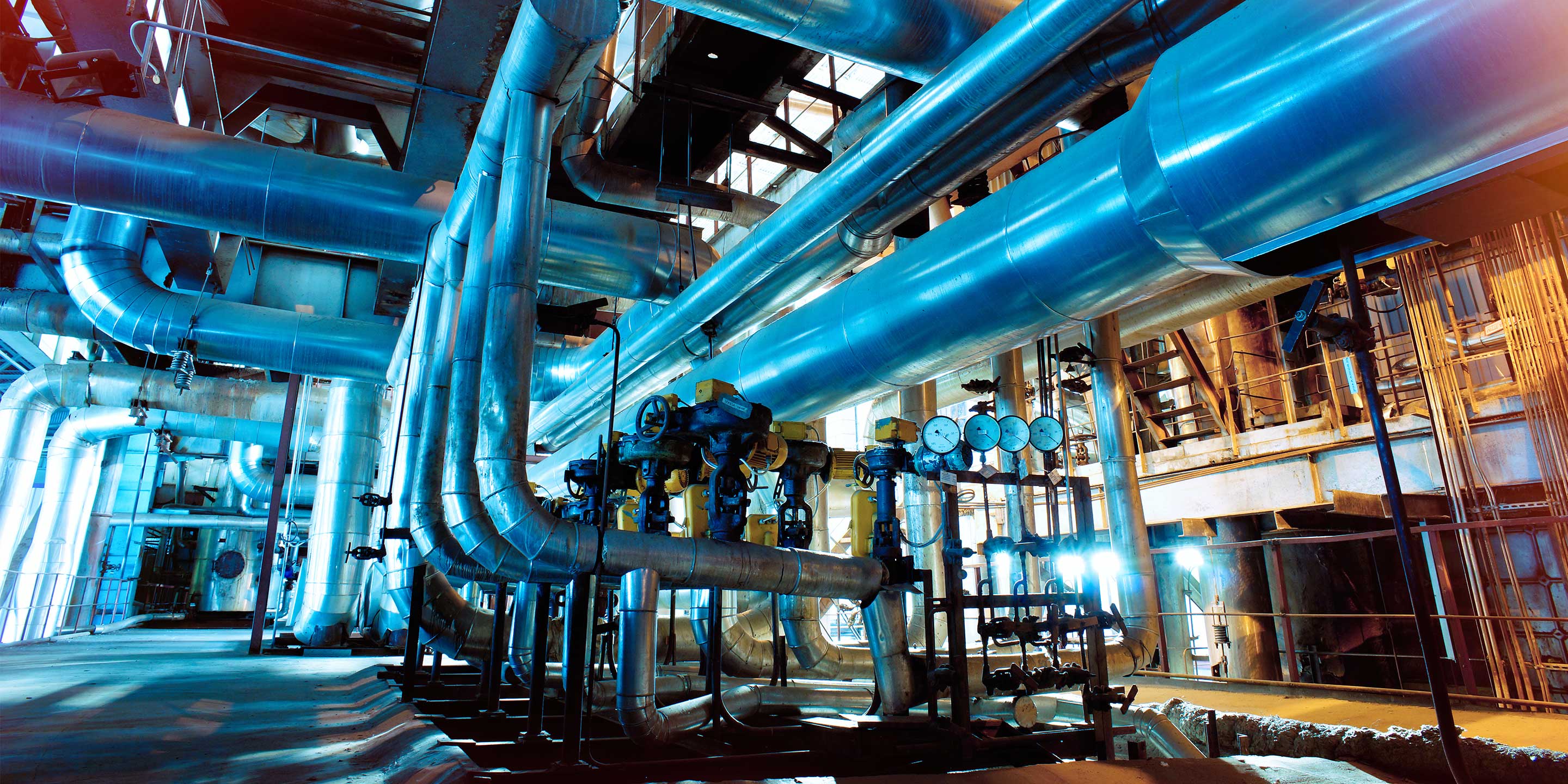
Safeguarding Lithium-Ion Battery Gigafactories Against Fire Hazards
-

Suppressing the Threat of Fire in Manufacturing Plants
-
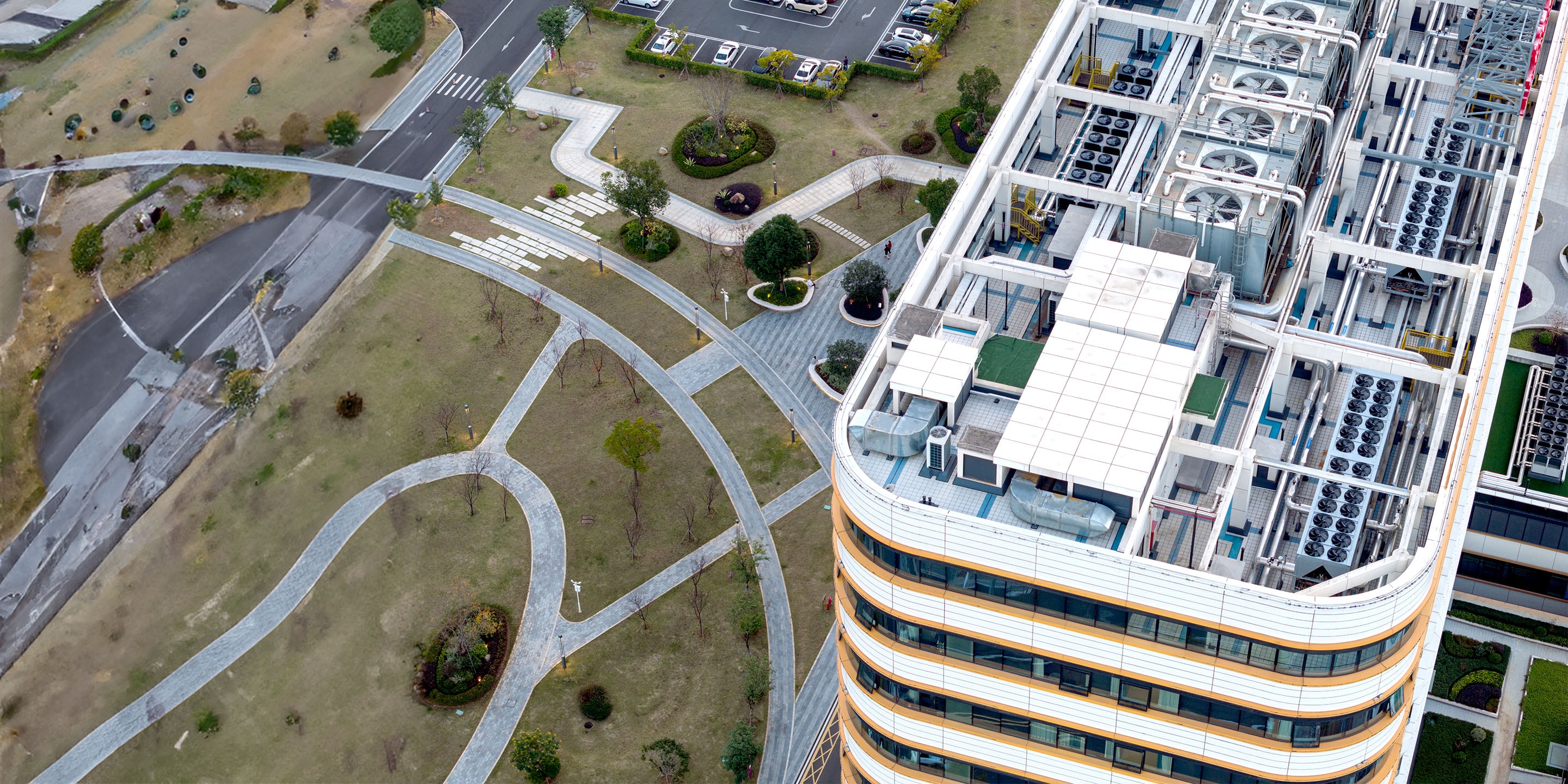
Boost Energy Efficiency Through Better Asset Utilization
-
Anything But Basic – Why the Foundational Steps of Energy Management Matter
-
Manage Building Assets to Help Better Control Energy Costs
-
Building Technologies’ Role in Improving QSR Operations
-
Here’s How Your Building Can Meet the Updated NIS 2 Cybersecurity Directive
-
A Day in the Life in a Smart Office
-
Integrating Intelligence for Optimal Building Performance
-
From Reactive to Proactive: Streamlining Maintenance for Optimal Building Performance
-
Five Signs Your Building Management System Needs an Upgrade
-
Atlanta Hawks and Honeywell Announce Winners Of Arena Of The Future Challenge
-
Cybersecurity Requirements for Healthcare Organizations
-
The Path To More Efficient Building Management: Here’s Where To Begin
-
Honeywell Predicts The Top Three Building Trends of 2024
-
Honeywell launches Advance Control building management system
-
Honeywell Releases Advance Controls for Buildings at AHR Expo
-
Open Systems: Top Questions to Ask When Assessing Building Integrators
-
Addressing the State of Public Buildings Around the World
-
Honeywell Experts Share Their Outlooks For The Top Building Trend Of 2024
-
Commercial Building Owners May Take Advantage of Inflation Reduction Act Provisions
-
5 Ways to Rein in Data Center Consumption in 2024
-
Earn The Employee Commute Back to the Office
-
Taking a Holistic Approach to Prepare Your Data Center for the Future
-
Gaining Store-Level Insights to Help Reduce Your Energy Use
-
How to Reduce Your Data Center's Operational Expenses
-
Make Well-being a Part of the Occupant Experience
-
The Benefits of an Up-to-Date Building Service Contract
-
When Operating Systems Retire: What Does it Mean for Your Building?
-
Incorporating Your Building into Your Sustainability Plans Can be Affordable
-
Building Technology Trends to Watch in 2023
-
Funding School Indoor Air Quality Upgrades
-
Three Key Challenges Facing Data Centers In 2023
-

Digitalization Opens the Door to Smarter Fire and Life Safety Systems
-
Three Reasons To Take Action To Improve IAQ In Your School
-
Why Communities Should be Prioritizing Energy Resilience
-
Transforming Operations at 4 Iconic Buildings
-
Inside Our Headquarters: How We Achieved LEED Gold
-
Enhancing the Future of Saudi Arabia’s Aviation Industry Through Digital Transformation
-
Start the Carbon Reduction Journey in Your Buildings
-
VESDA vs. Spot Detectors: Choosing the Right Solution for Your Data Center
-
How Honeywell VESDA Pays for Itself – Both Up Front and Over Its Lifecycle
-
Choosing Between Occupant Well-being and Energy Consumption is a Relic of the Past
-
New Cyber Vulnerabilities Require a Tougher Offense
-
Breathing Easier At Work: A Deeper Dive into Concerns About Indoor Air Quality
-
Holistic Fire Protection for Data Centers
-
Key Considerations for CO2 Monitoring in Educational Settings
-
Aspirating Smoke Detection Enhances Safety
-
Solving the Big Energy Problems of Small Buildings
-
Data Center Downtime: Why Better Awareness Offers More than Redundancy
-
We Need to Stop Overlooking Cyberthreats to Operational Technology
-
Minimize Risk and Maximize Value for Complex Construction Projects
-
Now is the New Future for Fire Systems
-
Indoor Air Quality is an Invisible Crisis - Solving it Will Require Looking Beyond CO2
-
Active Shooter Equation: Faster Response = Fewer Deaths
-
Stronger together
-
Turning Carbon-Reduction Goals Into Tangible Progress
-

How Digital Innovation Will Shape the Future of 5 Industries
-
Raising the Alarm on Fire Detection for the Healthcare Sector
-
Building Systems are your Carbon Neutrality toolkit
-
How will your company meet its Sustainability Goals?
-
Security systems can Enforce New Rules and Improve Compliance
-
How we’re Helping Train the Next Generation of Facility Managers
-
School Building and security Systems can Adapt to Changing Situations
-
CLSS is a Game-changer for Fire System Testing
-
We make Life Safety Systems Scalable, Easy to Use and Secure
-
NOTIFIER Self-Test simplifies Safety System Testing and Reporting
-
NOTIFIER INSPIRE Series offers Scalable, Secure, Efficient Safety Solutions
-
Funding Available to Improve School Ventilation and Indoor Air Quality
-
Making it Easier to Work with and Learn from Honeywell
-
How UV Light Helps Clean Air and Surfaces – Explained
-
The First Defense for a Healthier Building
-

Shaping the Future of Smart City Living - Smart Cities
-
How the Cloud is Transforming Data
-

Optimize Airflow for Healthier Buildings
-
Data Centers cannot Afford to be Offline. Ever.
-
Operational Efficiency and Occupant Wellness can Co-exist
-
Is Your Commercial Building or Facility In Good Health?
-
How We Will Live on Earth in the Future
-
Quiet, Reliable Technology helps in Controlled Spaces
-
Proactive Security can Prevent Loss
-
Smart Building Investments Save Money
-
IoT Smart Hotels and Buildings - Enhancing the Customer Experience
-
Technology Fills in when Fire Technicians are in Short Supply
-
Construction Sites are Fire Risks. Find Smart Monitoring Solutions.
-
On The Edge - Smart Edge Devices Lead to Autonomous Buildings
-
Managing Commercial Building Utility Costs and Energy Efficiency
-
Building Cybersecurity cannot be Overlooked
-

Digital Technologies Enable Smart Buildings
-
Flexible Building Technology Improves Productivity
-
What Makes a Building Iconic
-
Technology creates Efficient and Healthy Spaces
-
Learn the Difference between Two Important Pieces of Technology
-
Runway to Resilience: Improving Cybersecurity in Airport Operational Technology
-
From Data To Decisions: NRF 2026 Recap and the Future of Automated Retail
-
The Next Now: From Retail to Dynamic Commerce, Honeywell Leads the Evolution
-
Copenhagen’s World-Famous Art Museum Finds Its Comfort Zone
-
How Building Owners Can Drive Innovation and Reimagine Operational Efficiency
-
Data: The True Asset of Buildings
-
Unlocking Operational Efficiency Through Smart Building Technology
-
Enhancing EU Cybersecurity: The Role of NIS 2 Directive’s Article 21
-
The Power of Energy Management Software
-
The Role of User Experience in Boosting Building Operational Efficiency
-
How Building Operators Can Protect Against Cyber Threats and Improve Efficiency
Frequently Asked Questions
Buildings consume significant amounts of energy. Depending on the geographic location, heating, cooling, ventilation, lighting and other building systems can account for about three-fourths of a typical facility’s total environmental footprint, compared to around 25% attributed to construction-related activities.1 Leveraging building management systems (BMS) and advanced software controls can help building operators optimize HVAC systems, boilers, chillers, sensor networks and lighting systems to help meet energy use goals. Advanced software solutions can help control, manage and optimize energy use to help manage costs and improve resilience.
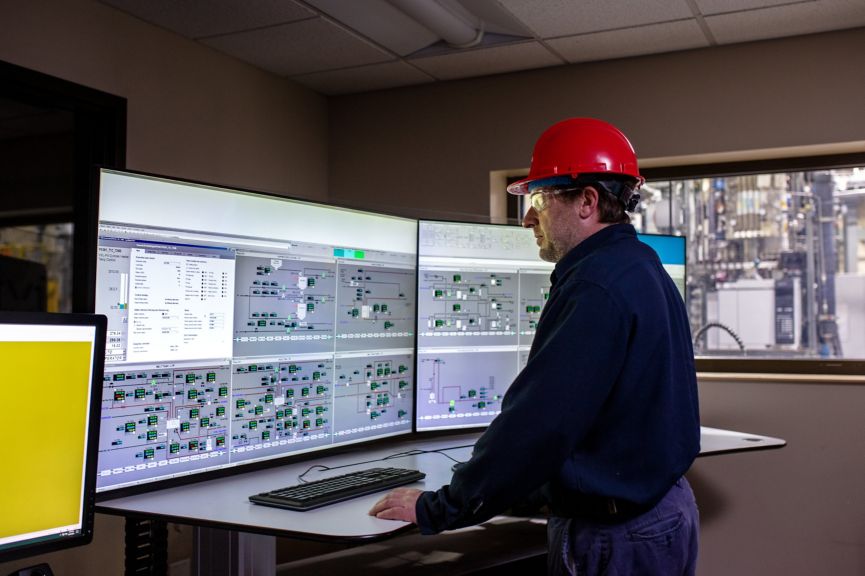
A building management system (BMS), or building controllers, are used to manage building assets like heating, ventilation and air conditioning (HVAC), boilers, chillers, lighting, security, fire and more. These systems automate processes and regulate equipment performance to help deliver precise, consistent and efficient operations. A BMS is often thought of the “brains” of a building – these separate, external systems interpret data from sensors, send commands to equipment, enable functions like motor speed, automate the sequencing of complex tasks and make real-time adjustments to maintain desired conditions. Like the human brain, these small but mighty systems enable complex tasks in a building.
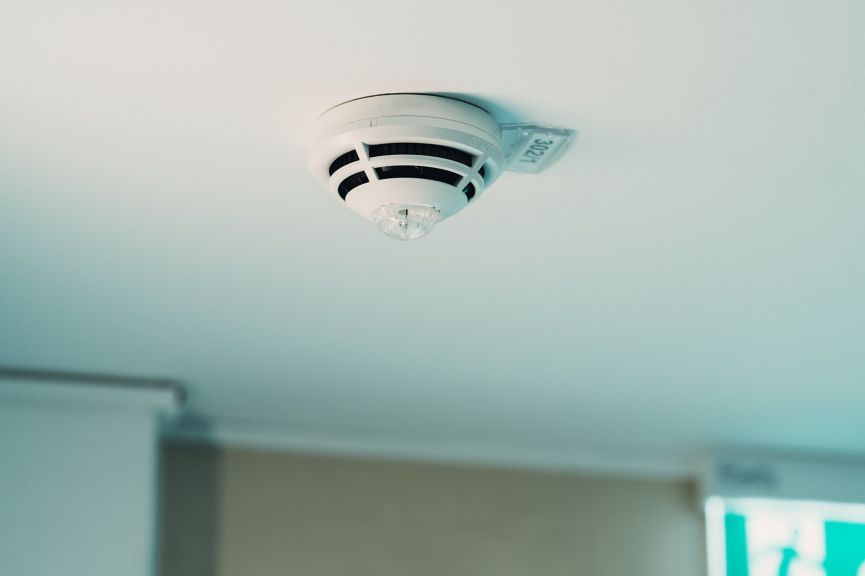
For smoke detection systems to work properly, smoke must travel from the source to a sensor at a detectable density. The traditional approach to smoke detection is to place sensors near, or on, the ceiling, because smoke rises. Advanced smoke detection solutions, or aspirating smoke detectors, continuously sample the air and are designed to provide early warning of fire hazards and help detect threats at early stages. These devices often have a wide sensitivity range to identify even the smallest amount of smoke in the air, helping prevent even a small fire from causing irreparable damage. Advanced detection technologies can be placed in strategically targeted locations – often in combination with traditional detectors – to continuously monitor for trace amounts of smoke. This way, potential fires can be intercepted at the source.
Sources:
1 McKinsey & Company, “Accelerating green growth in built environment”, November 2022. [Accessed May 30, 2024]