











A near real-time location system (RTLS) provides healthcare organizations with the current location information of medical equipment, staff and patients. This can help a hospital or healthcare facility find critical resources, equipment and personnel as well as manage workflows with insightful data to help decrease incident response times. When combined with an integrated, centralized control system, a RTLS can help get the right equipment and staff to the right place, allow staff to request help to a specific location and help improve response times to incidents, supporting safer care and better outcomes.
Care environments begin with healthcare solutions
Stay ahead of evolving patient care standards, regulatory requirements and rising operating costs.


Stay ahead of evolving patient care standards, regulatory requirements and rising operating costs.
Modern Facilities for Safer, More Connected Care and Better Outcomes
Patients are your highest priority; supporting better care environments is ours. That’s why we’ve developed healthcare solutions that benefit medical staff, the equipment they rely on and the patients they serve. We help create a great physical environment of care using trusted technologies that automate and control building systems, medical equipment and more. Our technologies, combined with our industry experience, can help you focus on what’s most important: patient outcomes.


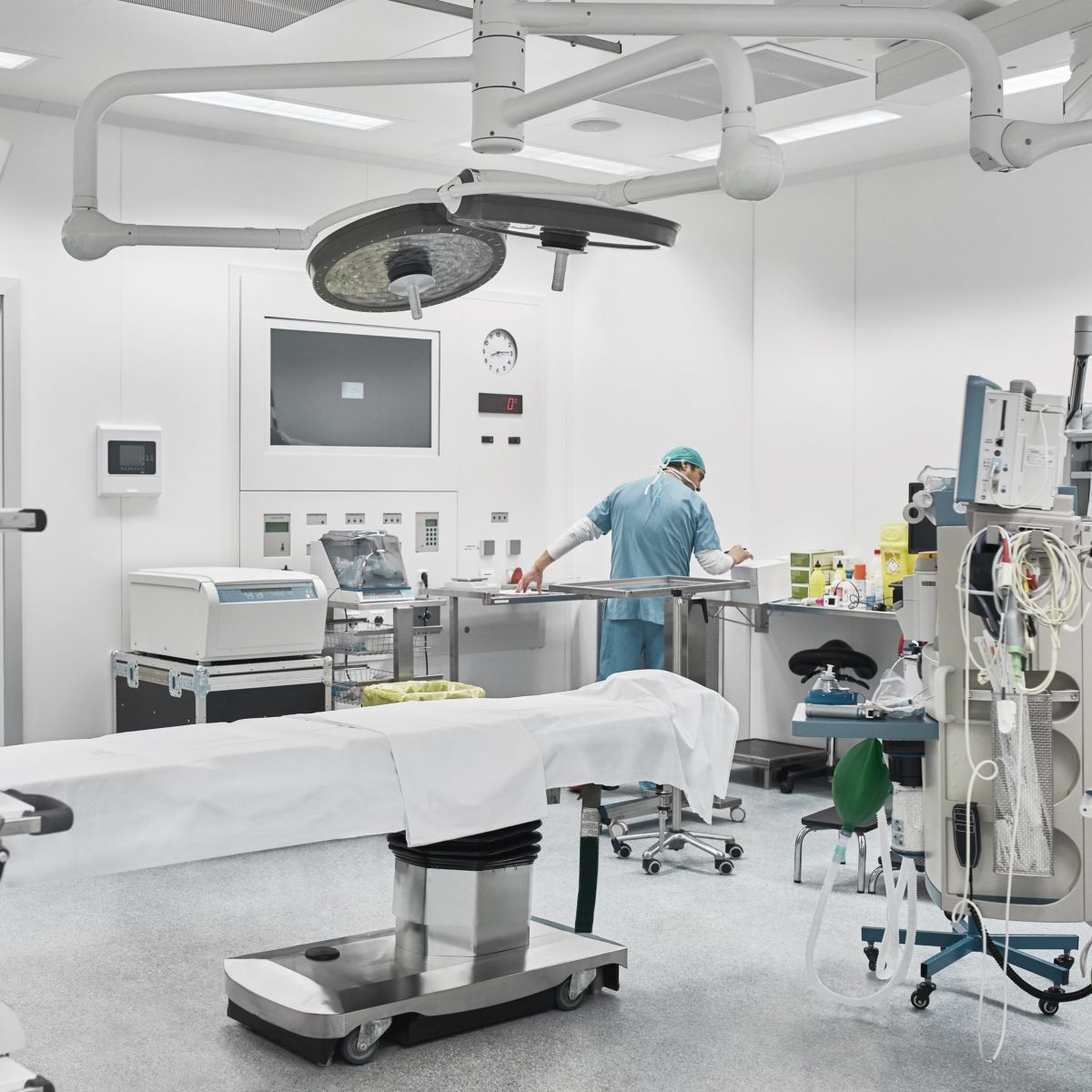
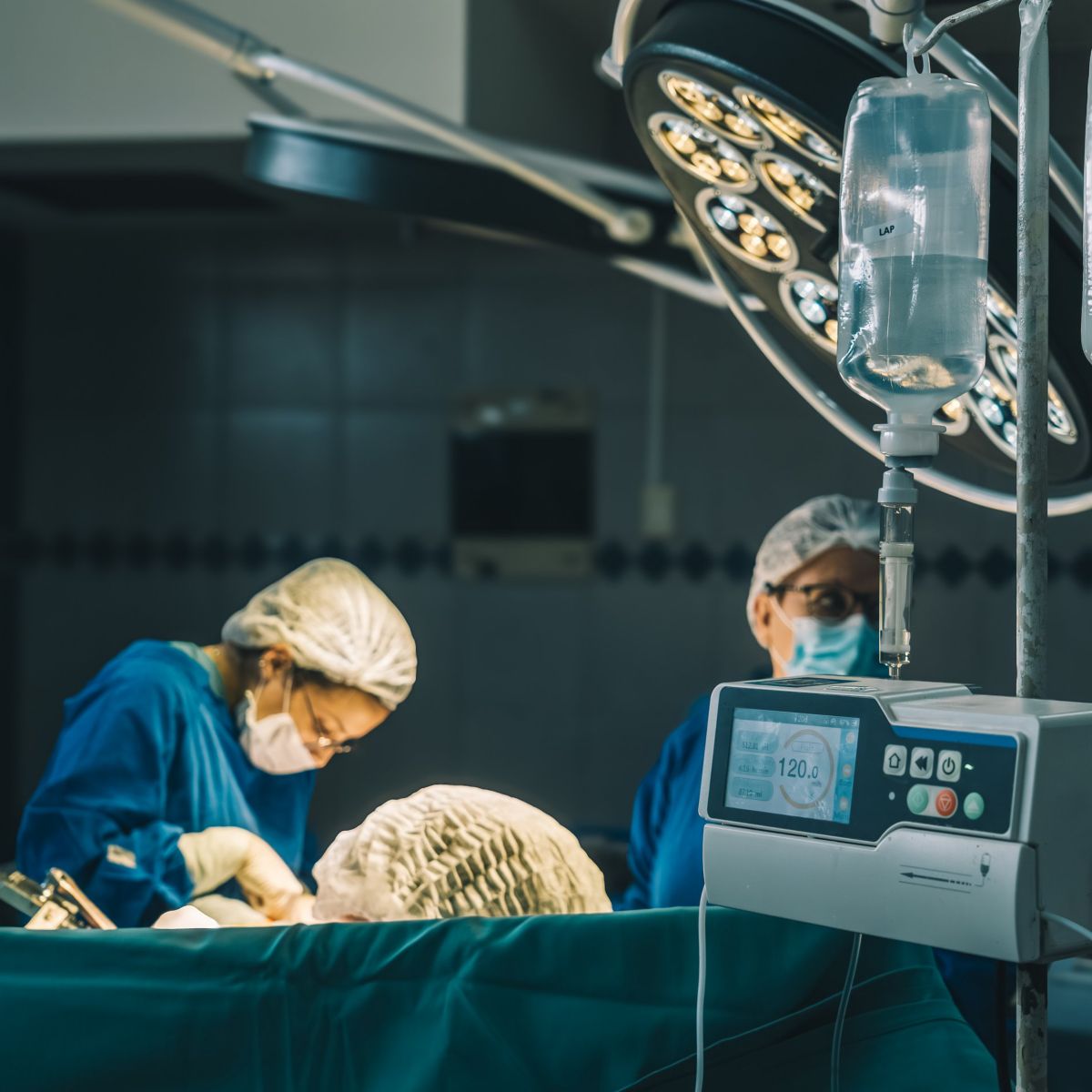

Cutting edge healthcare solutions for every organization
Discover healthcare technologies and services focused on enabling superior patient care continuity, facility operations and asset performance and improved outcomes for individuals and organizations alike.
Clinics Centers
Integrated healthcare IT and building automation solutions help clinics and outpatient centers enhance patient safety while streamlining workflows.
Hospitals
Enhance hospital infrastructure with integrated automation that can improve safety and security, operational efficiency, energy management and patient care.
Customer Stories
Healthcare Organizations Use Honeywell to Enhance Patient Care
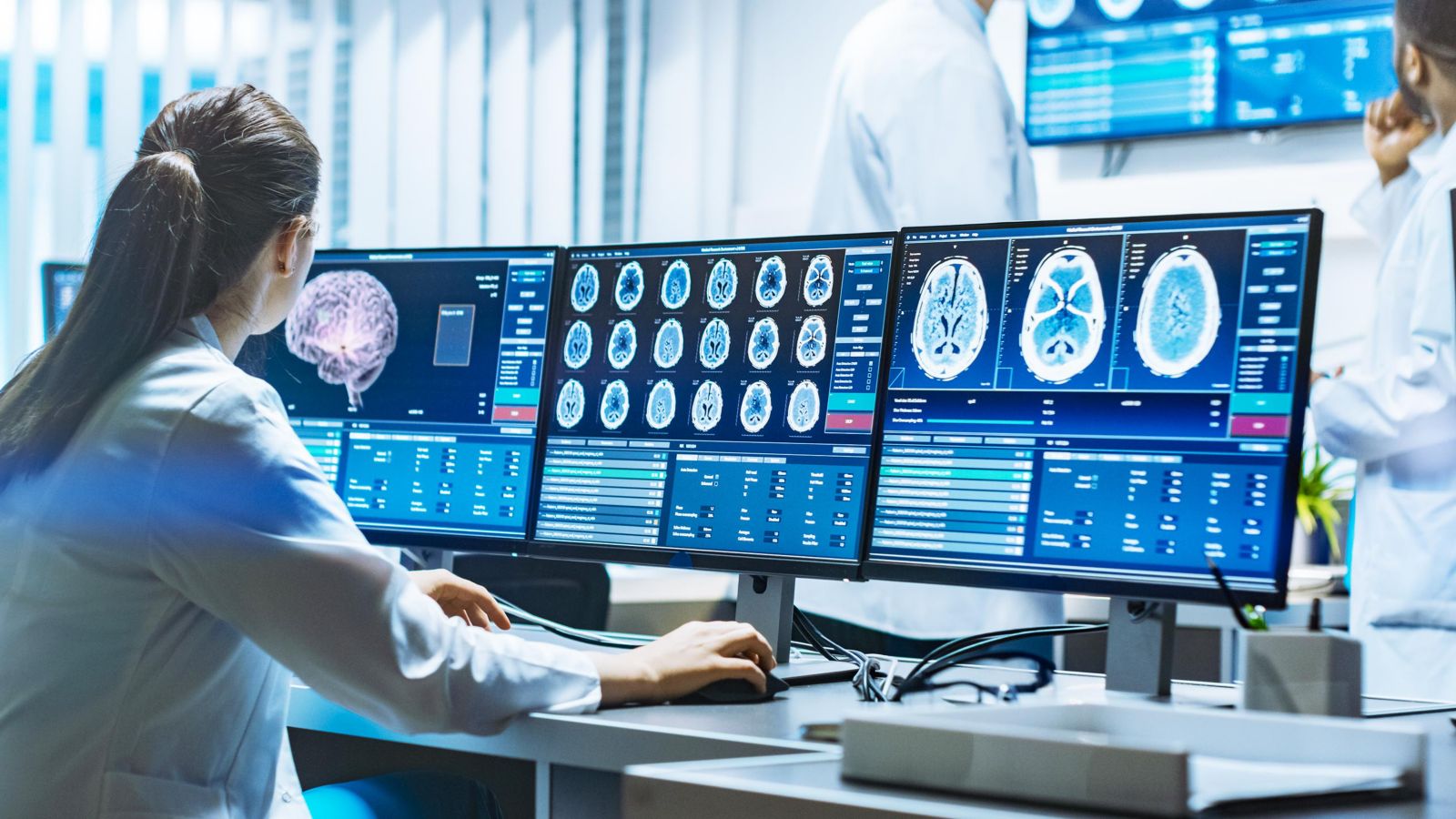


Redefining what’s possible in healthcare
From intake and discharge to diagnostics and treatment, discover innovative healthcare solutions that help enhance safety, efficiency and patient care while supporting improved patient outcomes.
Shaping the future of healthcare technology
-
Honeywell and B2M Solutions Partner to Expand Operational Insights from Mobile Assets
-
How Honeywell & SOTI Drive Faster, Smarter Mobile Operations
-
How Automation Simplifies Regulatory Compliance in Hospitals
-
Building Resilience in Hospital Facilities Operations
-
Integrated Systems Enhance Hospital Facility Life Safety and Security
-
How Integrated Healthcare Systems Lead to Safer, More Secure Hospitals
-
Top 5 Life Safety and Security Concerns Facing Hospitals Today
-
Why Today’s Rapidly Evolving Pharma Industry Needs Advanced Building Solutions That Can Keep Pace
-
Upgrade Healthcare Facility Operations with Technology
-
Cybersecurity Requirements for Healthcare Organizations
-
Raising the Alarm on Fire Detection for the Healthcare Sector
-
Digital Solutions Improve Hospitals for Patients and Staff
-
Quiet, Reliable Technology helps in Controlled Spaces
-
Ambient Listening: What Is It and How Is It Changing Healthcare Today
Frequently Asked Questions
Integrated safety and security technologies including access control, video monitoring and analytics, fire and life safety and RTLS help improve situational awareness, centralize decision making, create standard operating procedures, automate workflows and most importantly, enable a faster, more coordinated response.
Yes. Hospitals and healthcare facilities are often laden with potentially hazardous situations. From oxygen leakage that could cause a flash over when using a laser surgical tool or lithium-ion batteries as an energy source. This increases the importance of detecting fires quickly, at the earliest possible stage, to help reduce patient disruptions and improve safety. Aspirating smoke detectors continuously sample air to provide early warnings of fire hazards, helping detect threats before they escalate. Some devices provide multi-level warnings and are equipped with wide-ranging sensitivity to identify even the most negligible amounts of smoke, helping to prevent smalls fire from taking hold.
Yes. Hospitals require indoor air quality management systems that can manage a variety of situations from surgical suites, isolation rooms and standard patient rooms. This is required to help maintain environmental quality factors such as air flow, directional pressure and air quality. Air quality can have a major impact on the spread of airborne infections, including viruses. Honeywell’s Phoenix Controls systems enable improved directional airflow for patient rooms, surgical suites, and other critical areas, to help control hygiene, safety and energy usage.
Healthcare organizations need to protect their operational technology (OT) assets and systems just like their information technology (IT) networks. OT systems help hospitals and healthcare facilities operate – from HVAC systems, lighting systems, power systems, elevators and more. Hospitals and healthcare facilities can improve OT cybersecurity posture by creating full asset inventory, deploying monitoring tools, developing an incident response plan and working with a trusted partner to help protect from cyber threats.
Honeywell Sensing Solutions components are integrated into a wide range of critical medical devices that help support safety, compliance and reliable performance in life-critical healthcare applications including:
Ventilators: oxygen and airflow sensors for respiratory support
Anesthesia Machines: pressure and oxygen sensors for precise gas delivery
Oxygen Concentrators: lead-free oxygen sensors for patient therapy
Infusion Pumps: pressure sensors for accurate fluid control
CPAP/BiPAP Devices: airflow and pressure sensors for sleep therapy
Patient Monitoring Systems: temperature sensors for vital sign accuracy