


Flow Sensors

Precise flow measurement for critical systems

Accurate flow sensing supports process control, safety verification and equipment protection across applications

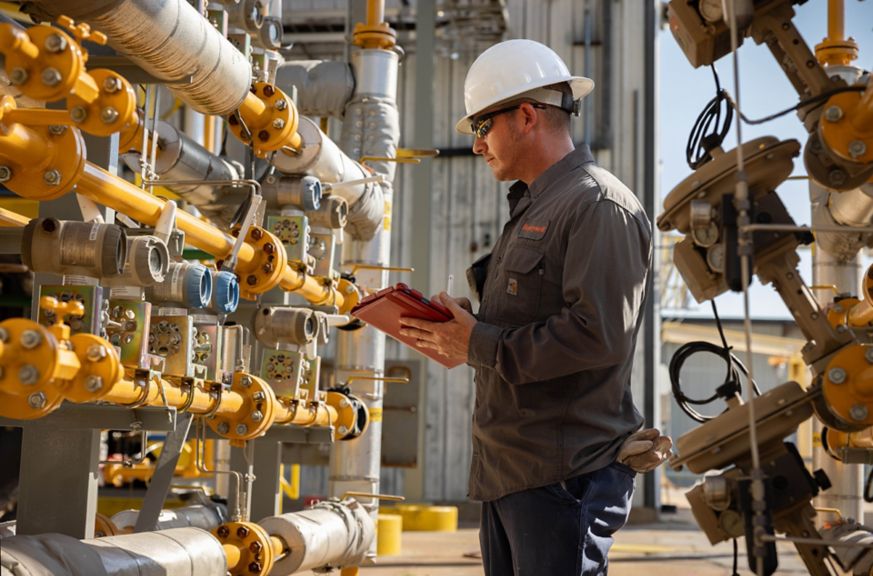
A vibrant network of yellow and red industrial pipes with valves at a natural gas processing facility under a clear blue sky.
Technician inspecting flow sensors and transmitters on industrial piping, ensuring accurate measurement, system reliability, and optimized process performance.

Accurate flow sensing supports process control, safety verification and equipment protection across applications

Flow Sensing Supports Process Reliability and Control Performance

Flow measurement is one of the most common yet challenging variables in industrial automation. You need accurate data to control pumps, verify safety conditions, detect leaks and protect equipment from damage. Flow sensors provide the measurements your systems need to perform effectively.

However, flow measurement presents unique challenges. Different applications require different sensing technologies. Liquids and gases behave differently under varying pressure and temperature conditions. Installation constraints affect sensor selection and accuracy. The right flow sensor depends on your media, flow range, pressure rating, output requirements and environmental conditions.

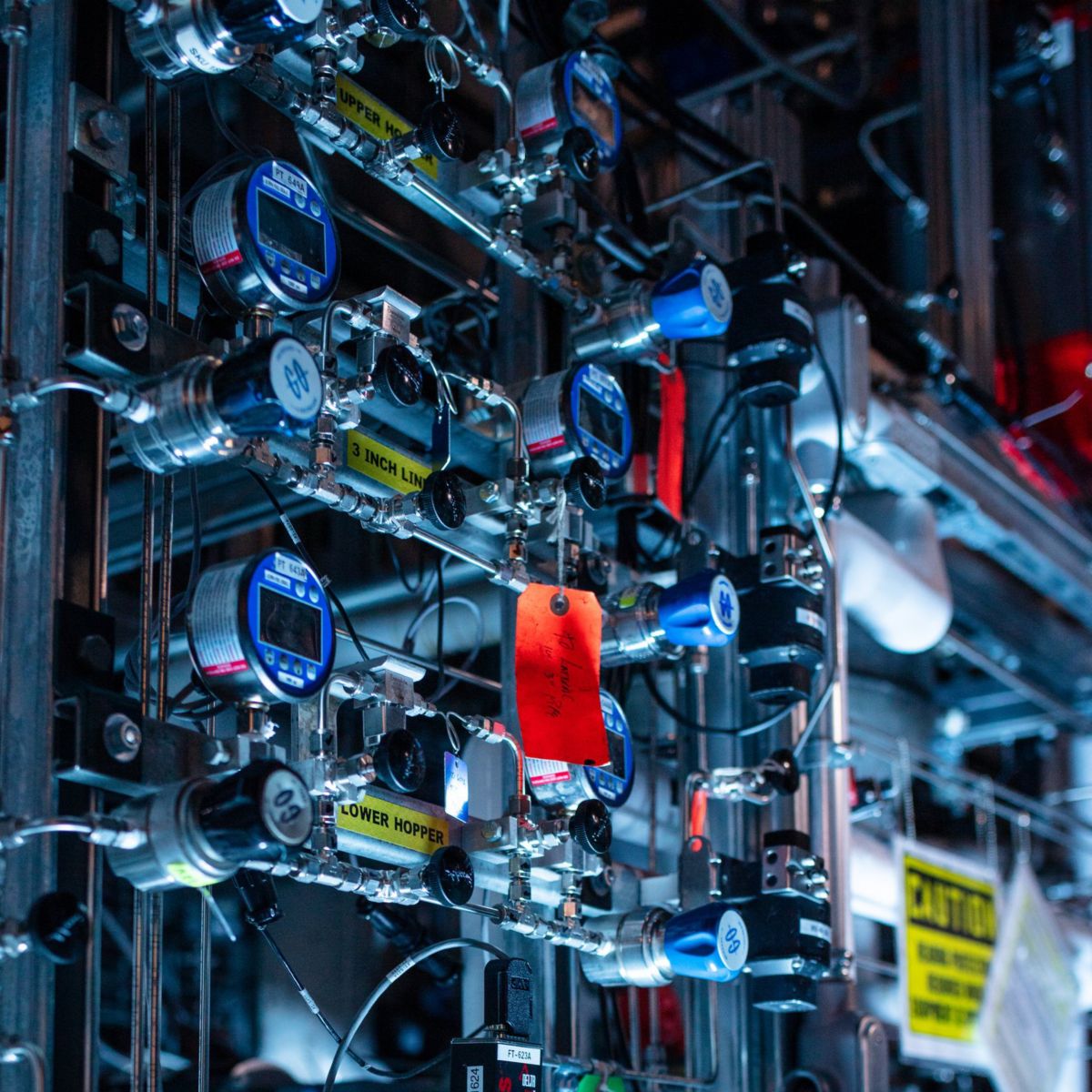
A detailed vertical shot of an industrial piping assembly featuring numerous pressure gauges, flow controllers, and valve labels in a technical facility.

Enhance Process Efficiency Through Accurate Flow Data

Process control relies on precise flow measurements to maintain product quality and optimize resource use. Flow sensors track liquid and gas movement throughout production systems. Accurate data helps process control systems adjust pump speeds, valve positions and mixing ratios. 


Flow verification limits waste from overfilling tanks or overfeeding reactors. Mass flow measurements account for density variations and temperature effects. Consistent flow control maintains product specifications and reduces raw material costs. 

Reliable flow sensing supports the stable process operations you need to meet production targets and quality standards.

Engineer inspecting industrial pumping equipment using a tablet, representing fluid handling systems, plant reliability, and process optimisation in industrial operations.

Support Equipment Protection With Reliable Flow Monitoring

Equipment damage from inadequate flow causes costly downtime and repairs. Cooling systems require minimum flow rates to prevent overheating of motors, bearings and heat exchangers. Pumps suffer cavitation damage when inlet flow drops below design conditions. Lubrication systems need verified flow to protect gears, compressors and hydraulic components. 


Flow switches provide low-flow alarms and shutdown signals that minimize equipment damage. Thermal mass flow sensors detect flow loss in gas systems. Differential pressure sensors monitor filter loading and system blockages. 

Flow monitoring helps you protect capital equipment investments and avoid unplanned maintenance.

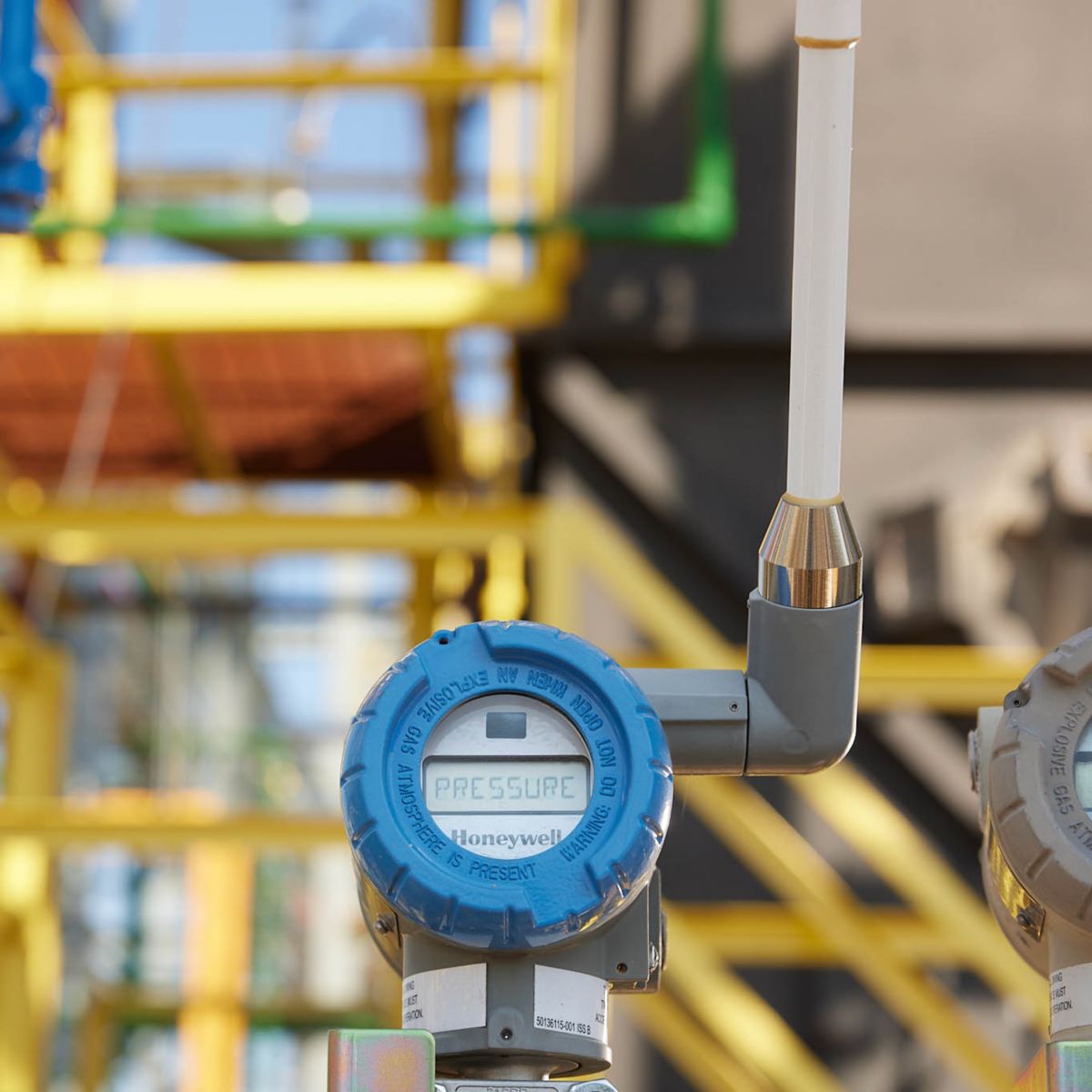
Close-up of an industrial transmitter used in flow and process instrumentation, supporting precise measurement, monitoring, and efficient system control.

Verify Safety Conditions Through Dependable Flow Detection

Safety systems depend on accurate flow measurement. 


Emergency shutdown sequences require verified flow conditions before startup. Interlock logic prevents equipment damage when flow falls outside limits. Fail-safe designs respond to sensor failures and signal loss. 


Redundant sensors provide backup measurements for critical safety functions. Flow measurement integrates with safety instrumented systems to meet SIL requirements and protect personnel, equipment and facilities.

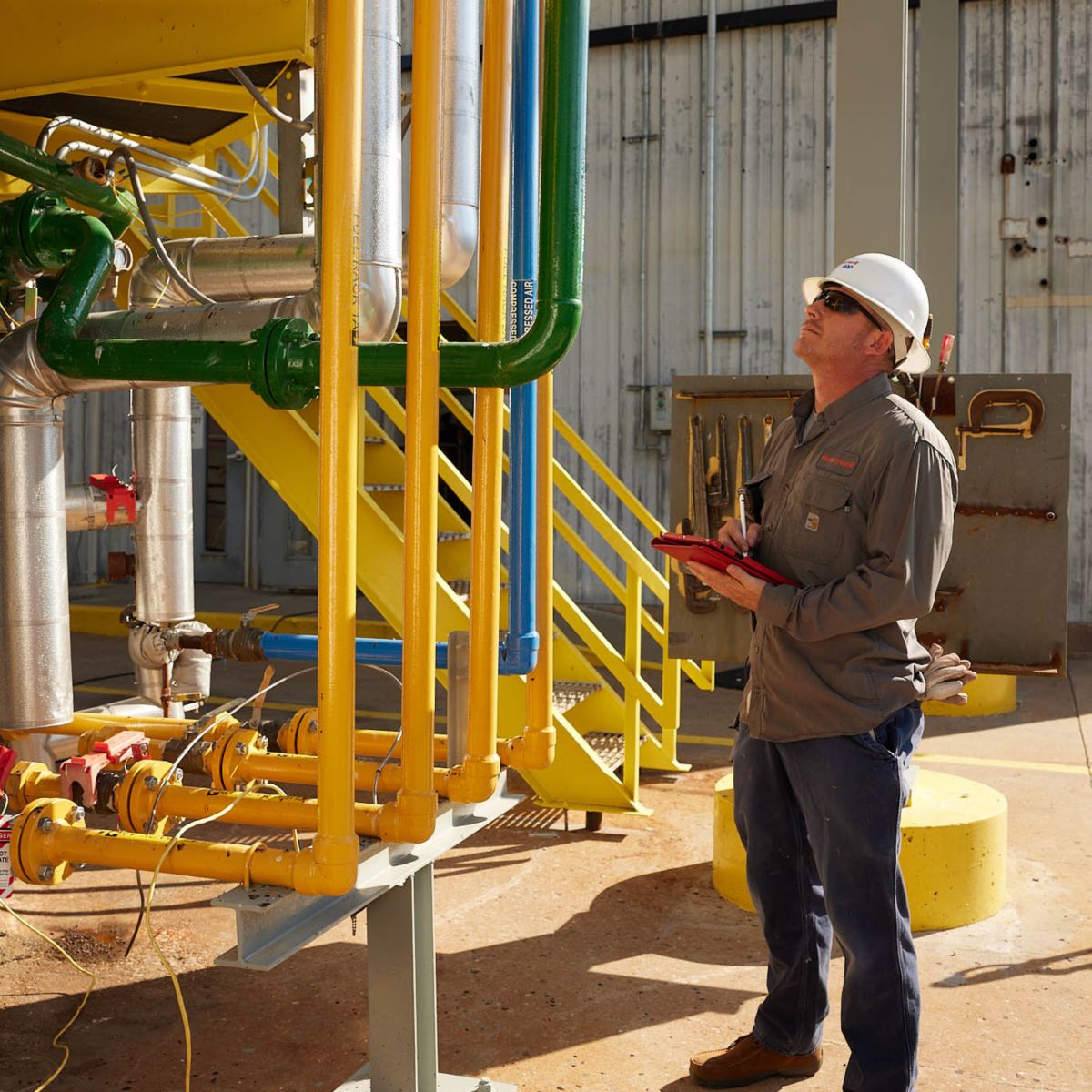
Technician inspecting industrial piping systems, supporting flow monitoring, operational efficiency, and reliable process performance in complex environments.

Advanced Diagnostics Improve Operational Visibility

Modern flow sensors provide diagnostic data beyond basic measurement. Built-in diagnostics detect sensor drift, contamination and installation issues. Digital communication protocols transmit sensor health status to control systems. Alarm functions alert operators to abnormal conditions before they impact operations. 


Data logging captures flow trends for process optimization and energy management, and wireless connectivity enables remote monitoring of inaccessible locations. Enhanced diagnostic capabilities reduce maintenance costs, improve measurement reliability and support predictive maintenance programs. 

  • ±0.5% to ±2% typical accuracy1

    Flow sensor accuracy depends on technology and application conditions. Honeywell sensors are designed to minimize measurement error across operating ranges. 

  • Harsh environment capability

    Industrial flow sensors must withstand temperature extremes, vibration, contamination and pressure cycling. Our sensors are built for reliability in demanding conditions.  

  • Multiple flow sensing technologies

    Honeywell offers thermal, differential pressure and volumetric sensing technologies. Thermal mass flow sensors measure gas flow directly without pressure compensation. Pressure-based sensors work with liquids and gases across wide flow ranges. Compact sensors fit tight installation spaces. 

Flow Sensor Frequently Asked Questions

Flow sensor drift occurs from contamination buildup, media property changes, installation effects and component aging. 


  • Particulates deposit on thermal sensing elements can reduce measurement accuracy. 
  • Chemical films coat sensor surfaces and alter response characteristics. • Temperature cycling causes material property changes that affect calibration. 
  • Mechanical stress from vibration and pressure transients degrades sensor performance. 

Regular calibration verification detects drift before it impacts process control. 

Commissioning verification prevents problems that appear after installation. • Confirm sensor orientation matches manufacturer specifications for proper operation. 


  • Verify straight pipe runs upstream and downstream meet requirements for accurate measurement. 
  • Check grounding and shielding connections that protect against electrical noise.
  • Test analog signal levels at controller inputs to confirm wiring integrity. • Document zero and span calibration values for future troubleshooting reference. 

Run the process through expected operating conditions to verify stable readings. Compare flow readings with independent measurements to validate accuracy. Review alarm and trip point settings to confirm they match safety requirements.

Integration planning helps you avoid communication problems and data quality issues. 


  • Match sensor output type to controller input specifications for compatibility. • Verify analog signal ranges meet controller expectations for proper scaling. • Select digital communication protocols supported by your control system architecture. 
  • Configure baud rates and device addresses before field installation to reduce commissioning time. 
  • Plan for diagnostic data integration if your system supports advanced sensor monitoring. 
  • • Consider signal filtering and averaging parameters that match your process response time. 
  • Document tag names and scaling factors for maintenance troubleshooting. 

Test communication under worst-case electrical noise conditions to verify reliability.

Ready to improve your flow measurement?

Determine your flow sensing requirements and find the right solution