



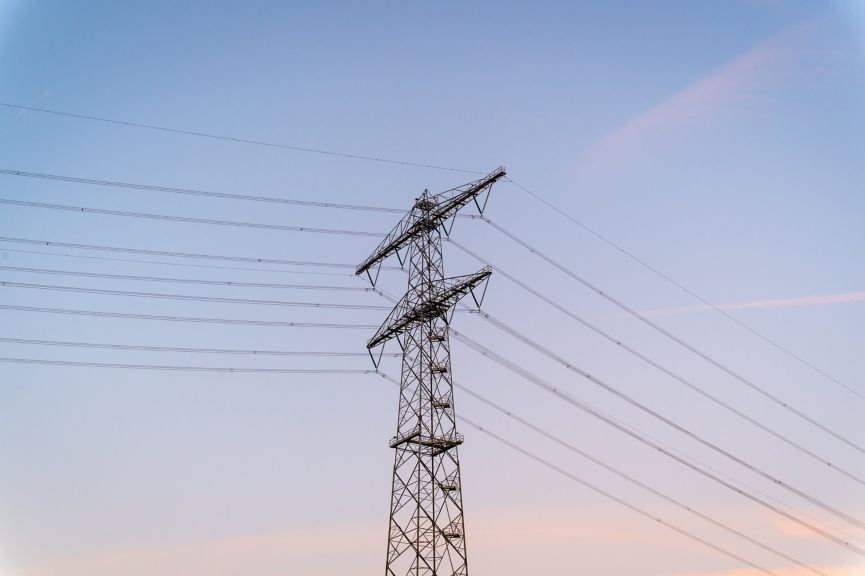
Utilities are navigating the transformation of a grid originally built for centralized, one-directional power delivery. Today’s energy landscape is shaped by disruptors like data centers, widespread electrification, electric vehicles (EVs) and renewable energy sources, which challenge traditional grid operations. Grid modernization is a priority for power and utility companies, according to IBM’s Institute for Business Value. The Institute surveyed nearly 600 senior utility executives and found that 100% have developed grid modernization strategies, though 21% report no progress to date. Almost half list “enhancing grid reliability” as a top goal, on a par with “reducing carbon emissions” and “empowering and engaging customers.”1 Modernizing the grid is no longer optional, it’s a strategic necessity. Utilities and power producers must address rising energy demand, aging infrastructure, intensifying climate events and the goal to decarbonize while integrating distributed energy resources (DERs). Success will require a holistic strategy that spans technical innovation, market responsiveness and regulatory alignment.
Utilities solutions for today and tomorrow
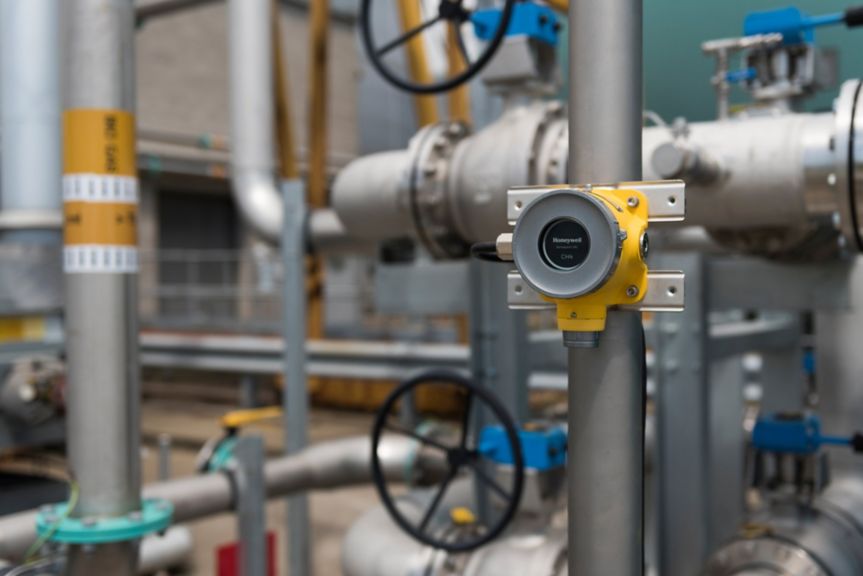
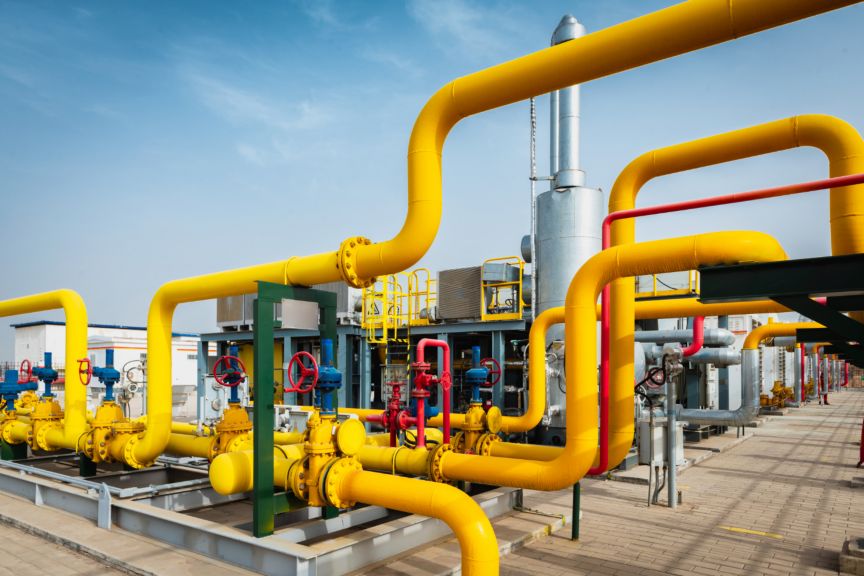
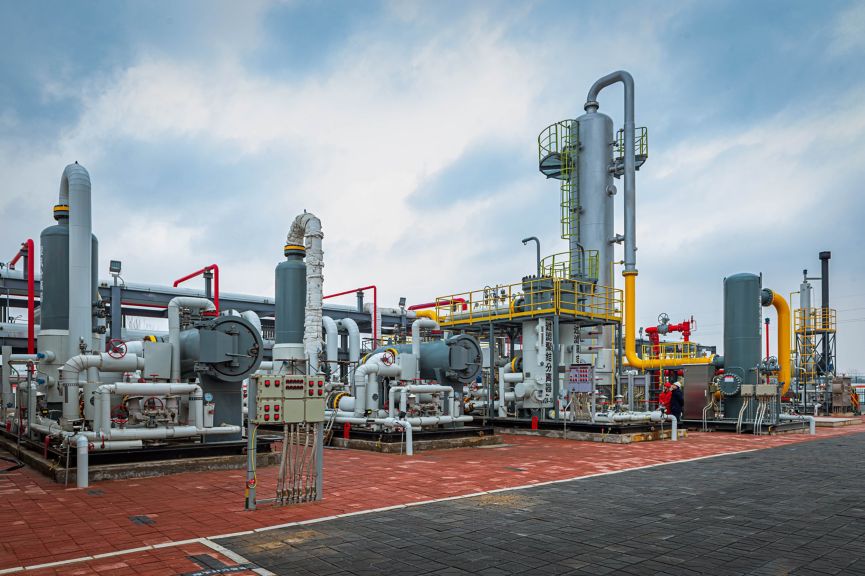
Honeywell supports the utilities value chain, from generation to transmission to distribution.


Honeywell supports the utilities value chain, from generation to transmission to distribution.
Automated, Digital-First Solutions That Help Drive Utilities Delivery
As the demand for electricity, water and gas grows, so does the need for more advanced tools to help manage that demand. From field safety and leak detection to advanced metering, control systems and OT cybersecurity, Honeywell helps utilities stay ahead of risks so they can act with confidence.
Our platforms unify sensors, data and automation to support better decision-making for utilities while also enabling commercial and industrial customers to actively manage energy use, respond to grid signals and support overall system reliability. Near-real-time monitoring and guided workflows can help reduce variability and downtime, and proactive audits with built-in compliance can support readiness across changing regulatory landscapes.
Connected solutions are designed to scale with growing demand without compromising safety, efficiency or reliability from source to service.
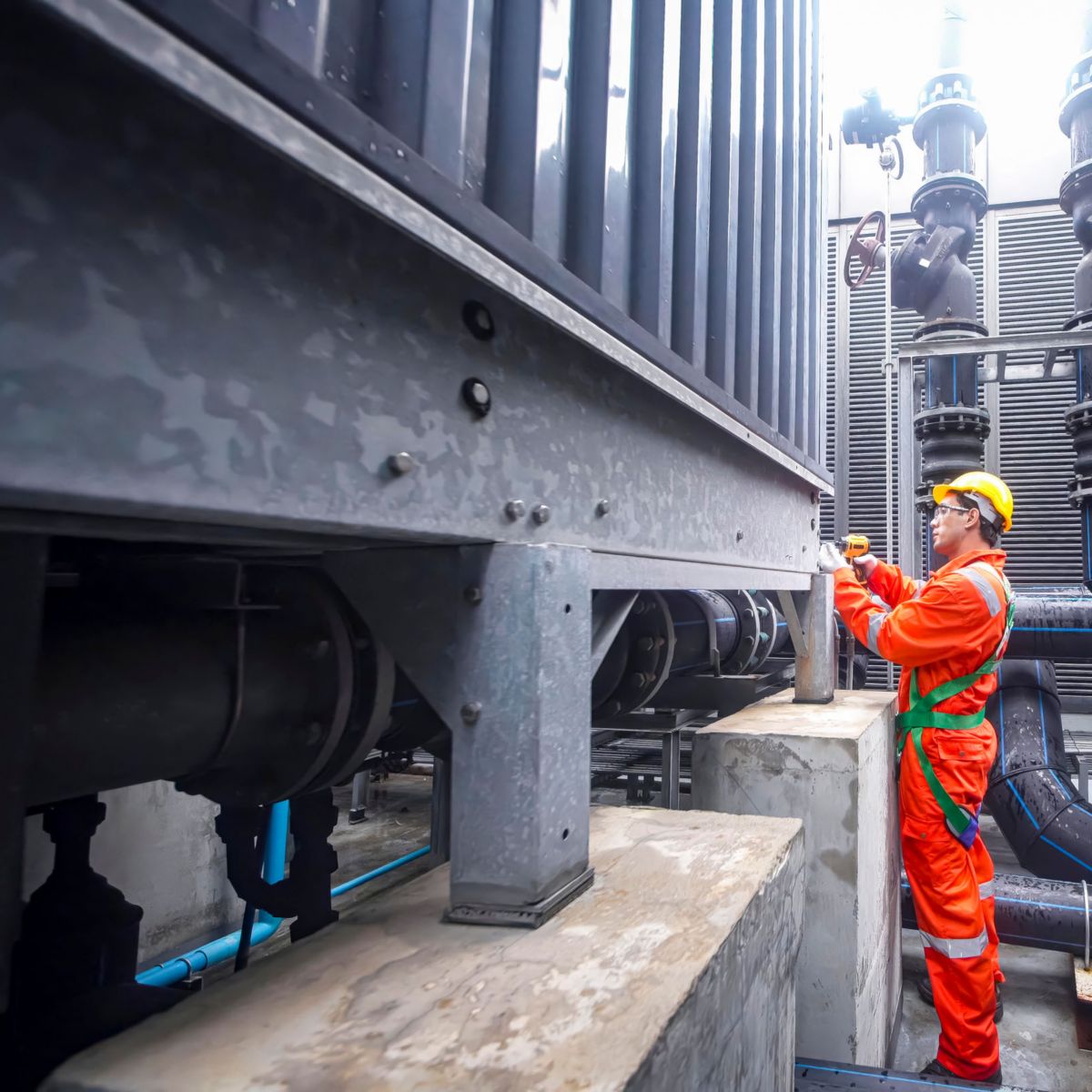
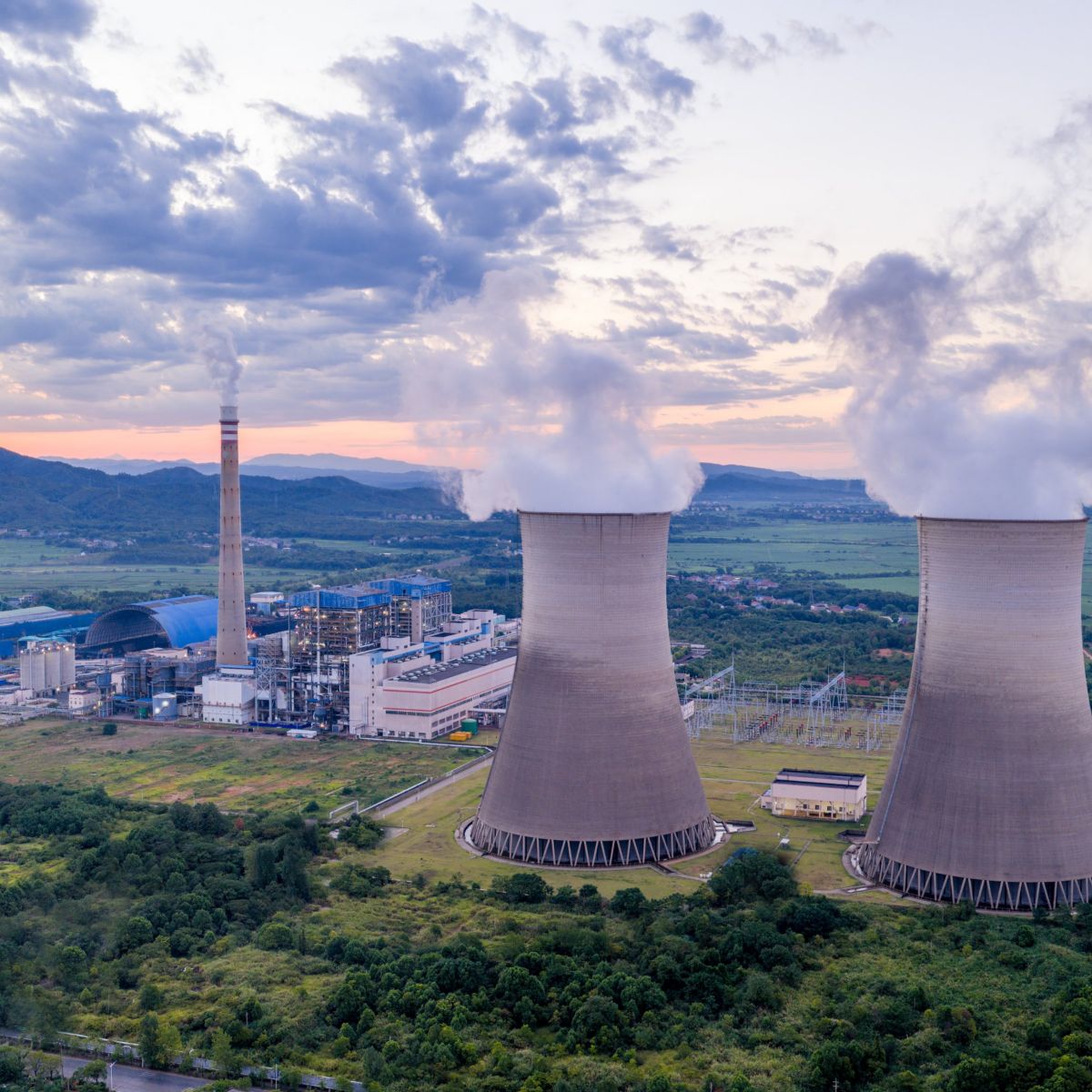
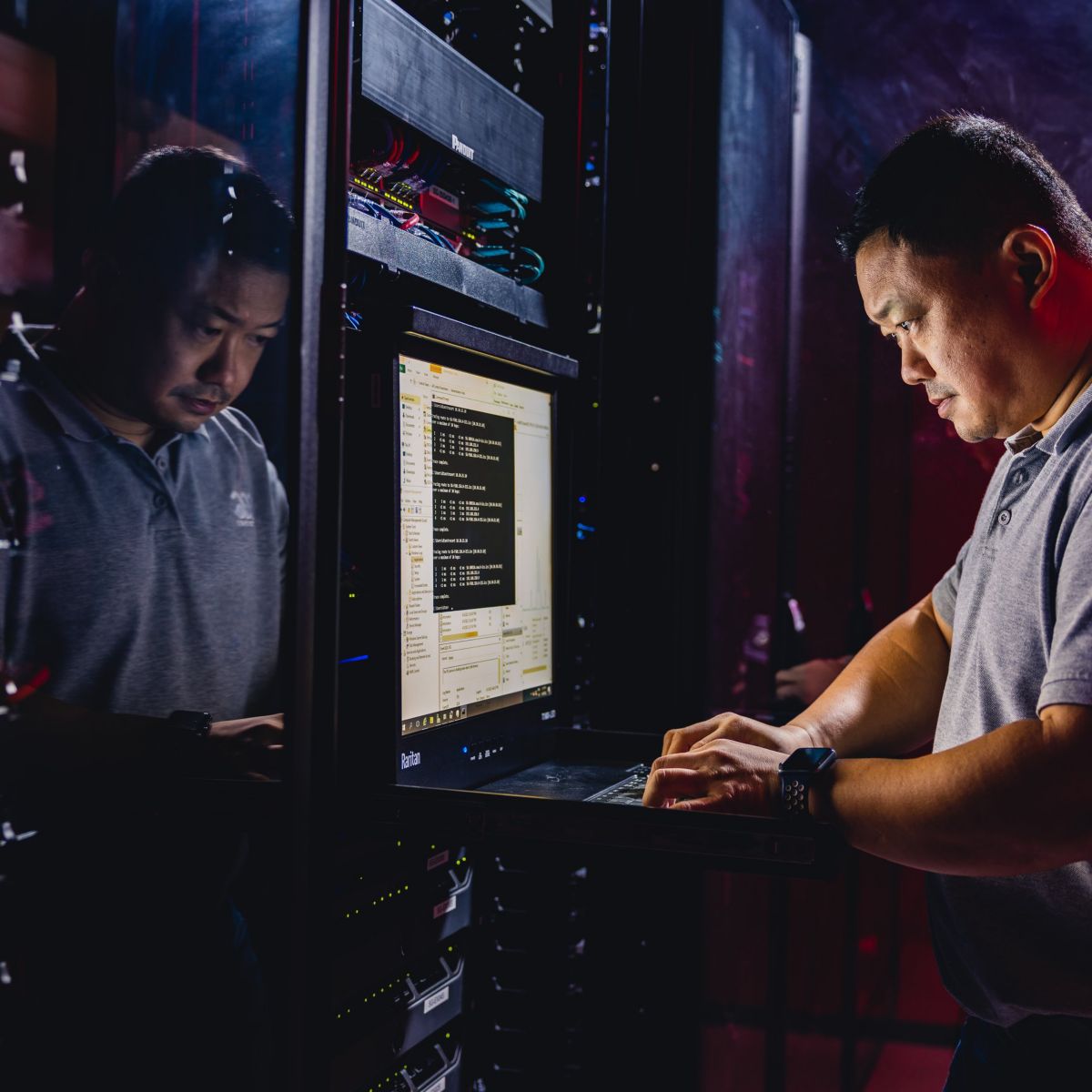
Better performance, improved efficiency and safer operations
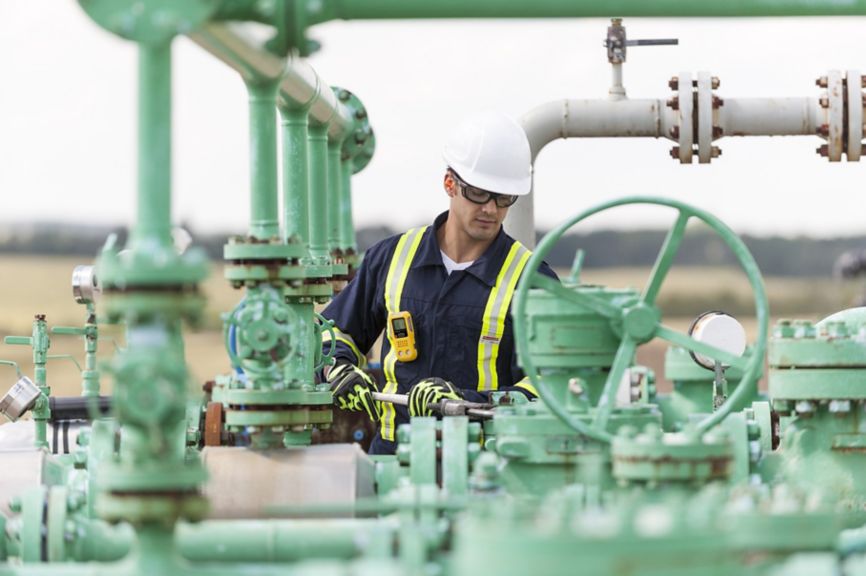
Utilities face complex challenges that require purpose-built solutions. Honeywell's solutions are designed to help your people in the field to work safer and even more efficiently.
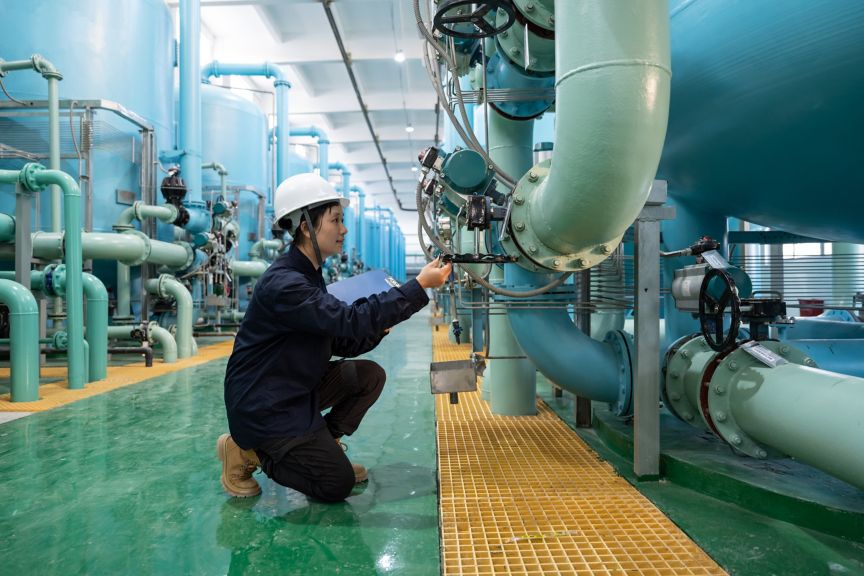
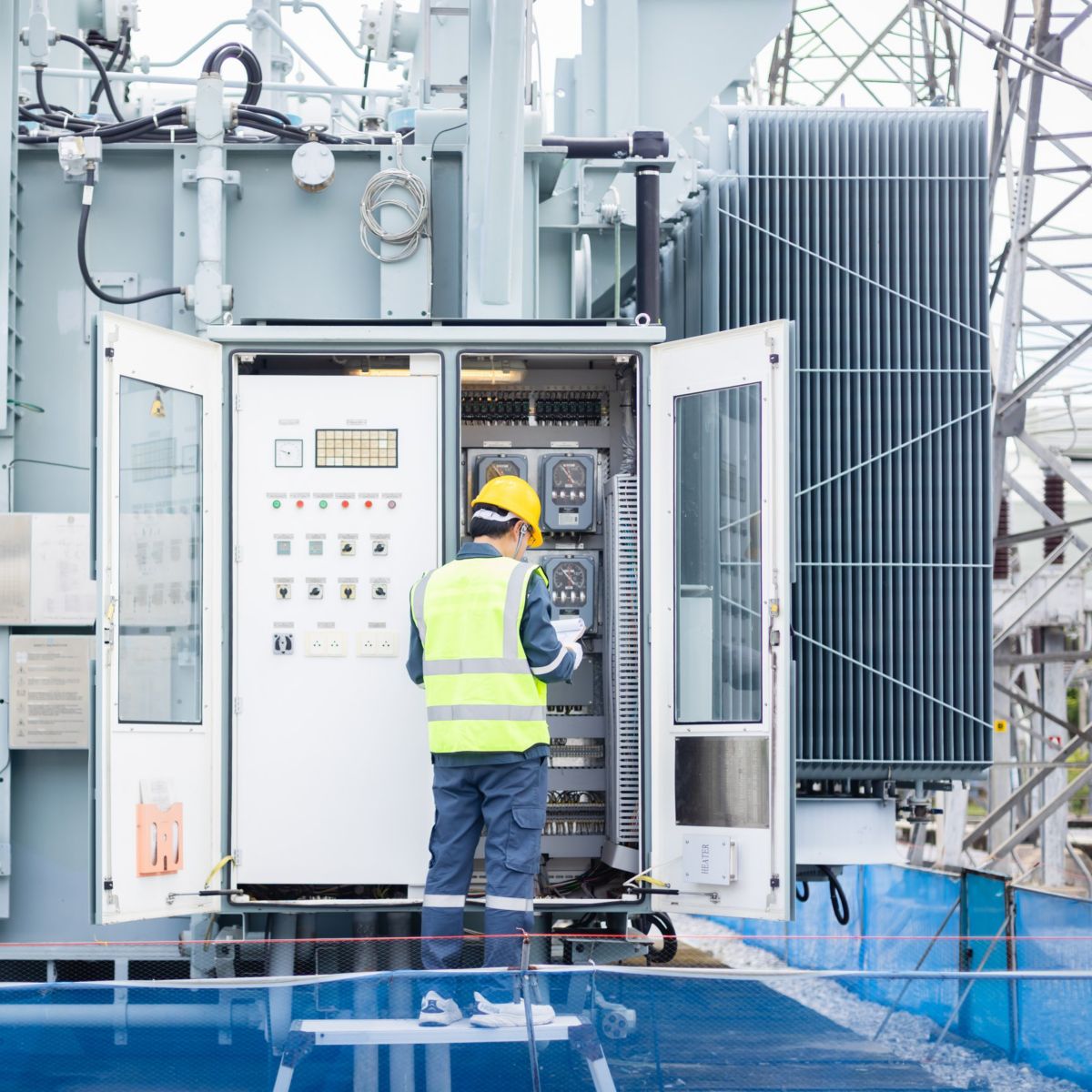
Build more efficient water operations with water control systems, cybersecurity and field instrumentation that help reduce costs while maintaining compliance.
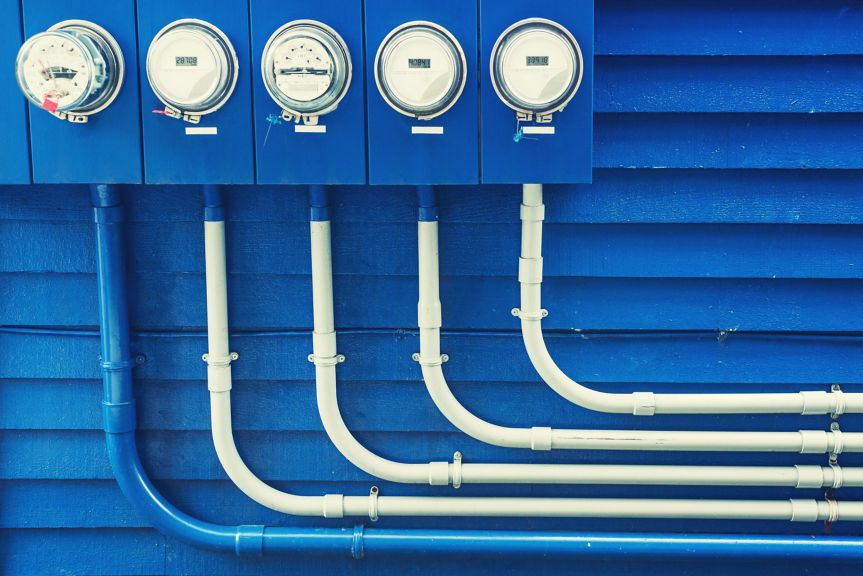
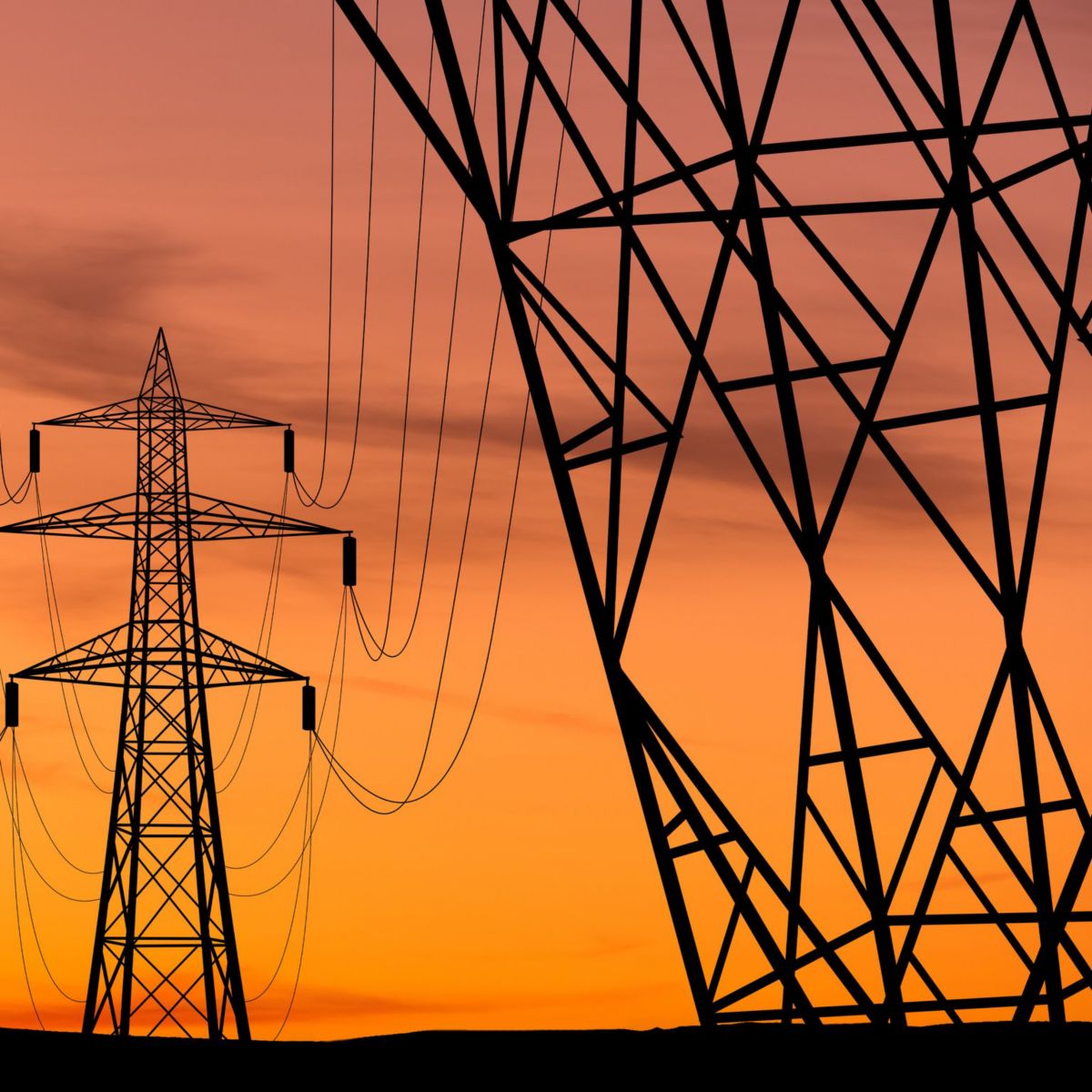
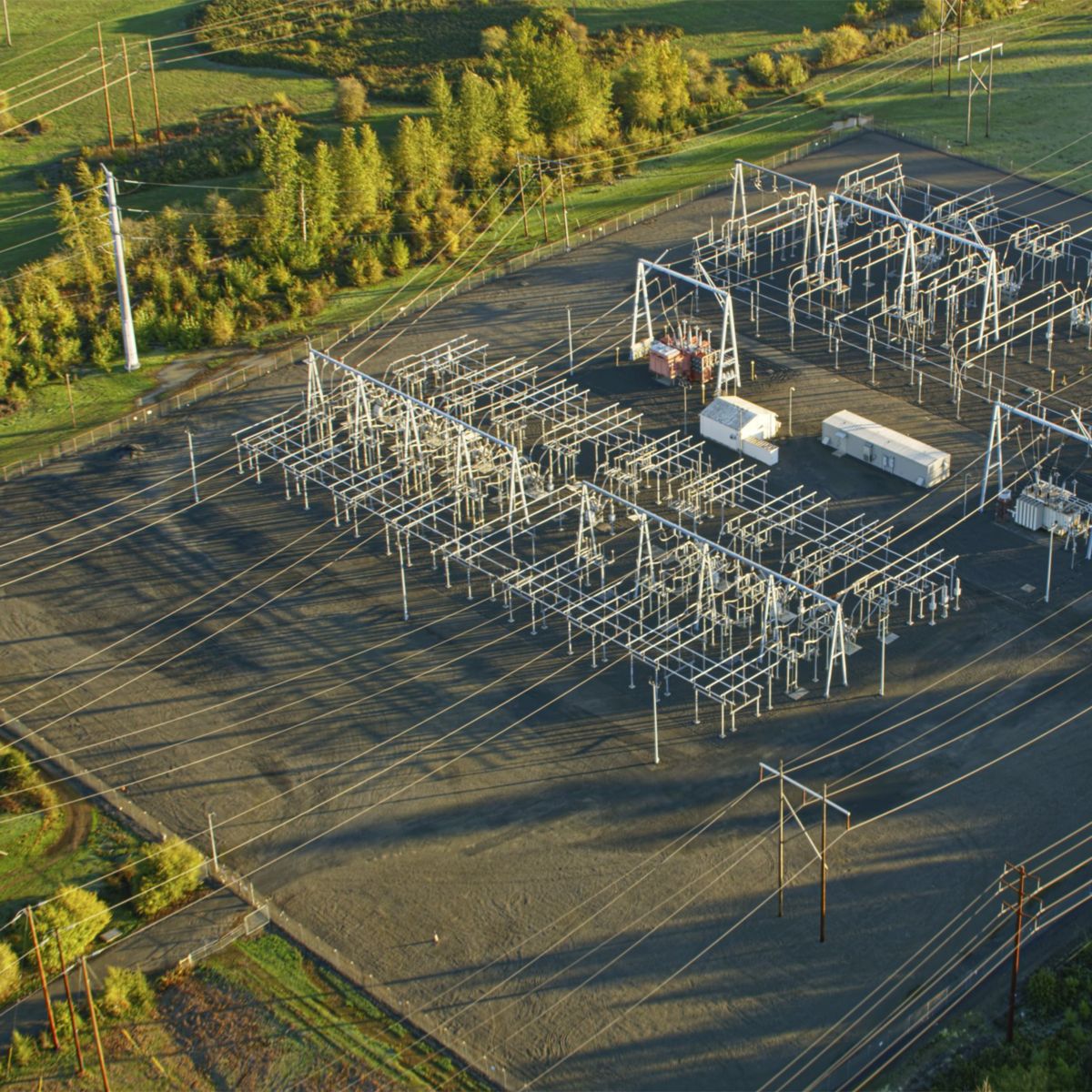
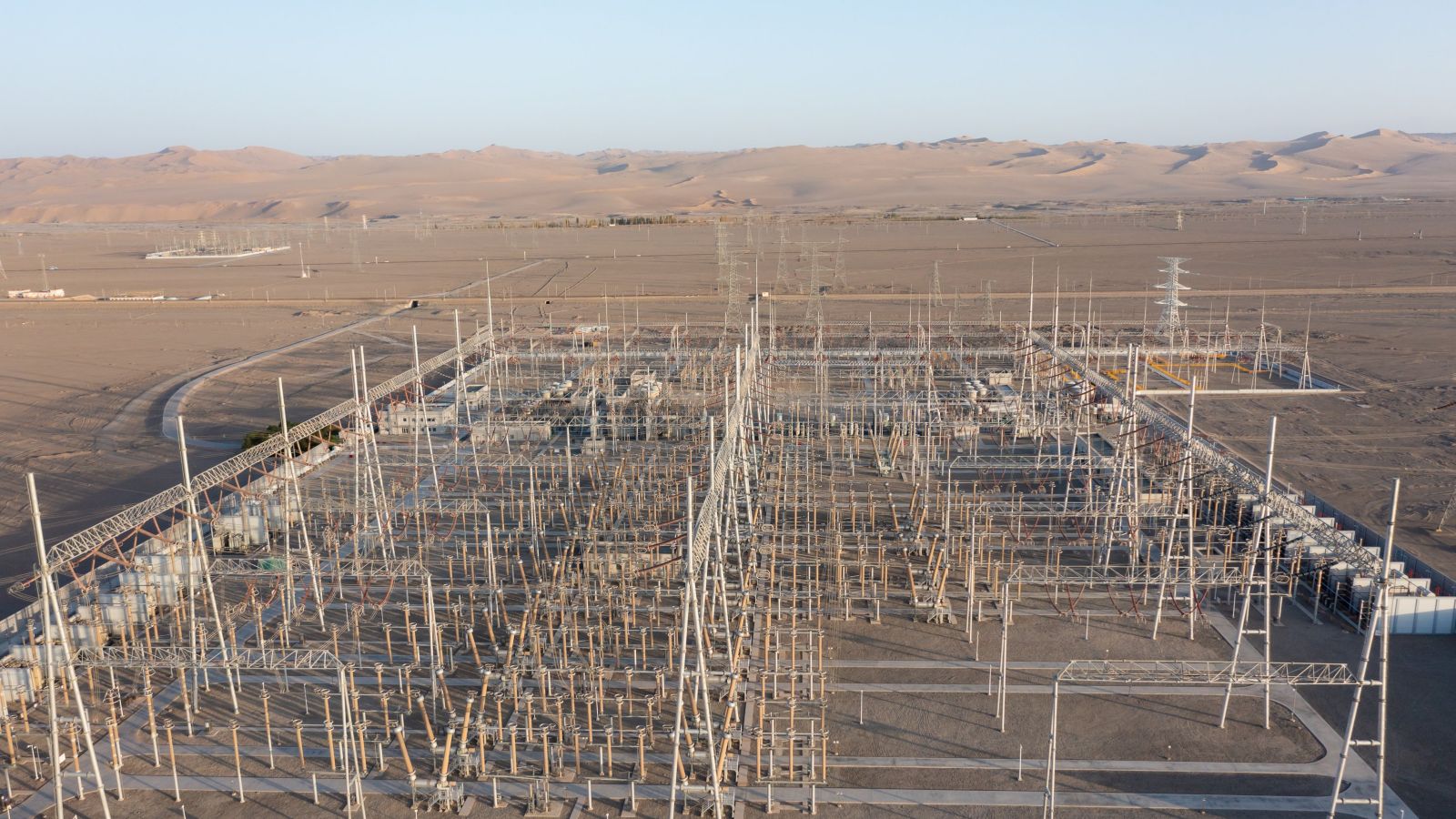
Secure and modernize your electricity grid with advanced automation, smart technology and physical and cyber protection solutions.
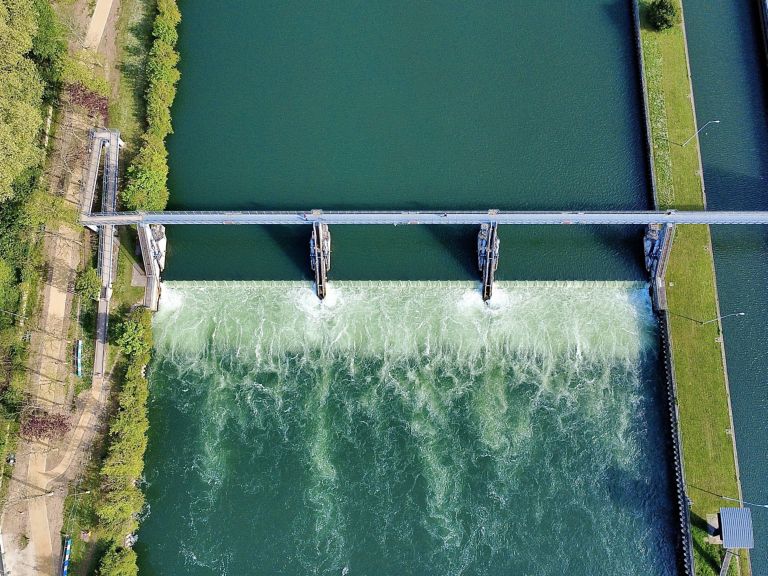
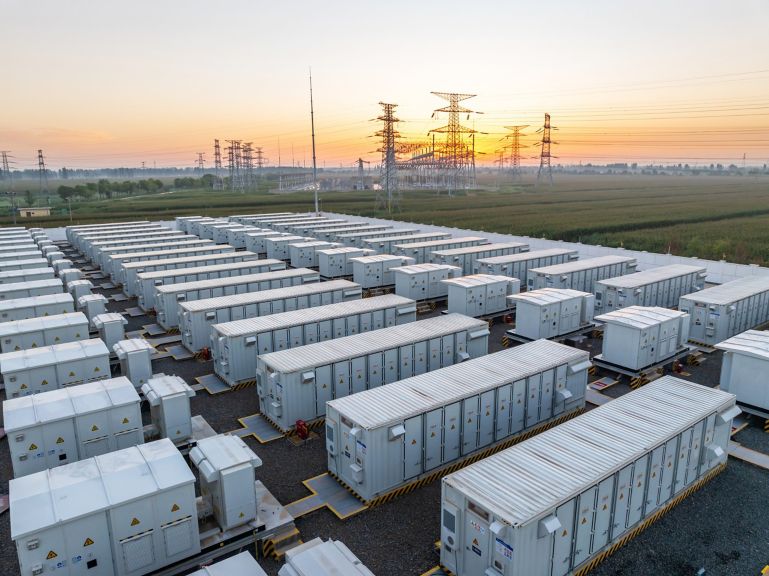
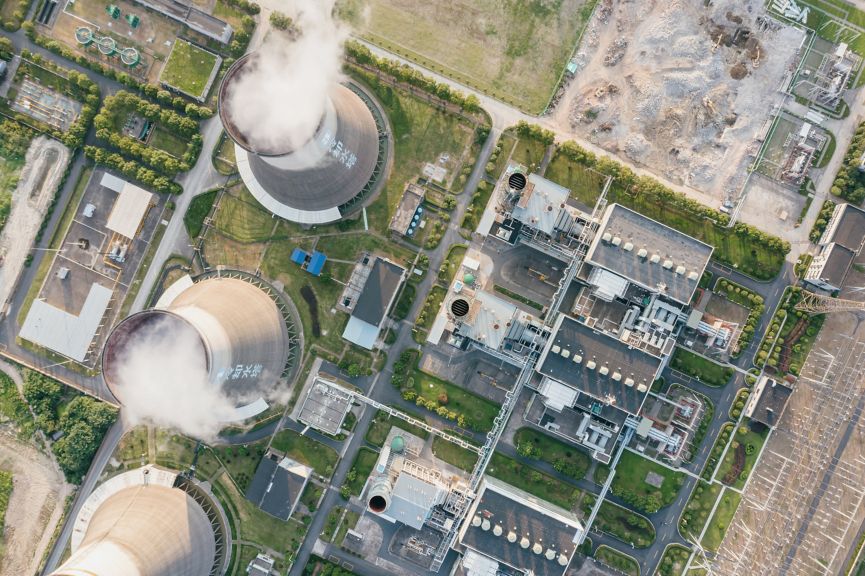
Improve power generation asset management with digital platforms, grid automation and energy storage for enhanced reliability and efficiency.
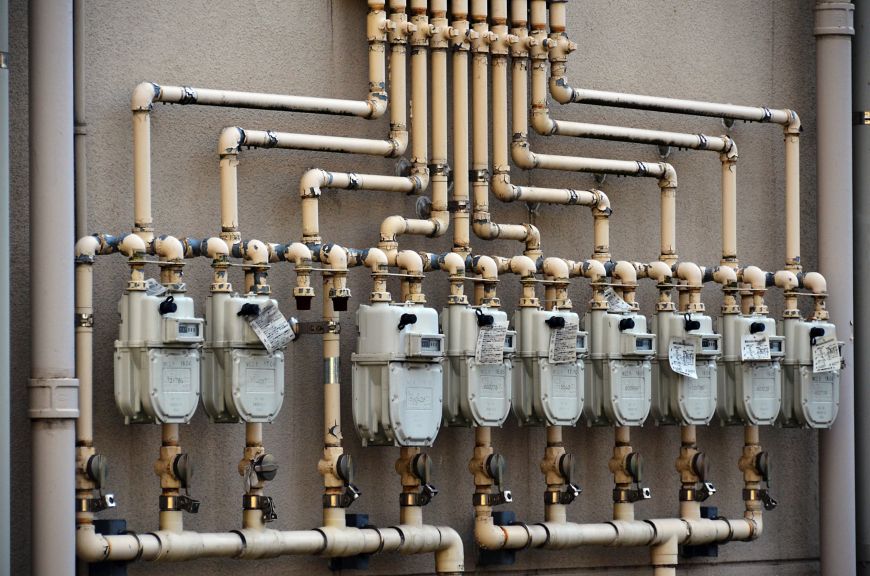
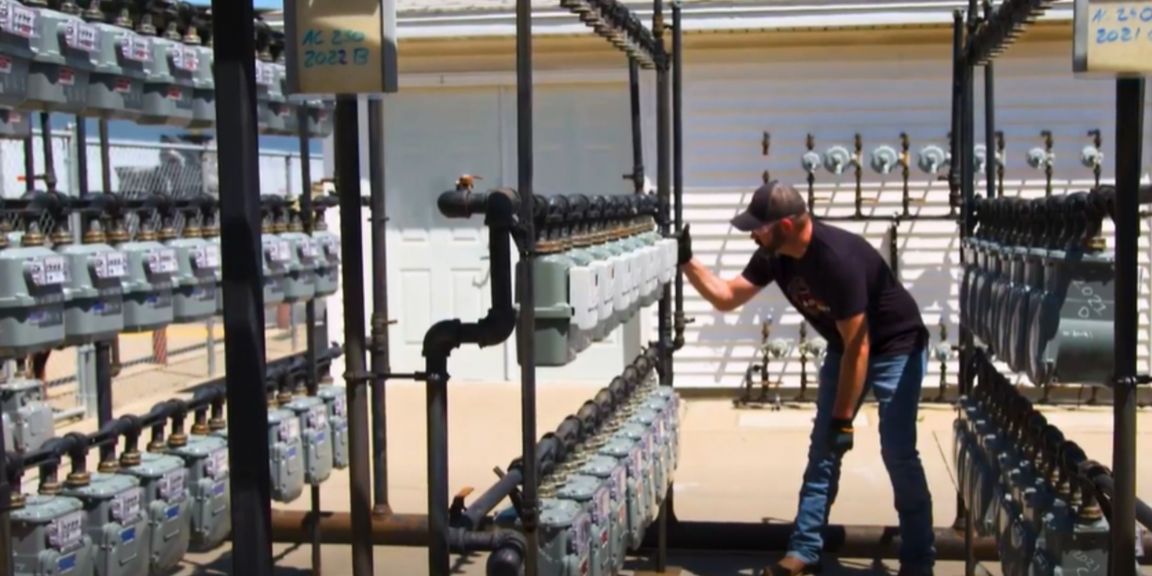
Improve gas utility distribution network performance, enhance visibility and help identify and manage leaks with Honeywell’s comprehensive automation solutions.
See How Honeywell Helps Deliver Safer, Smarter Utilities Worldwide

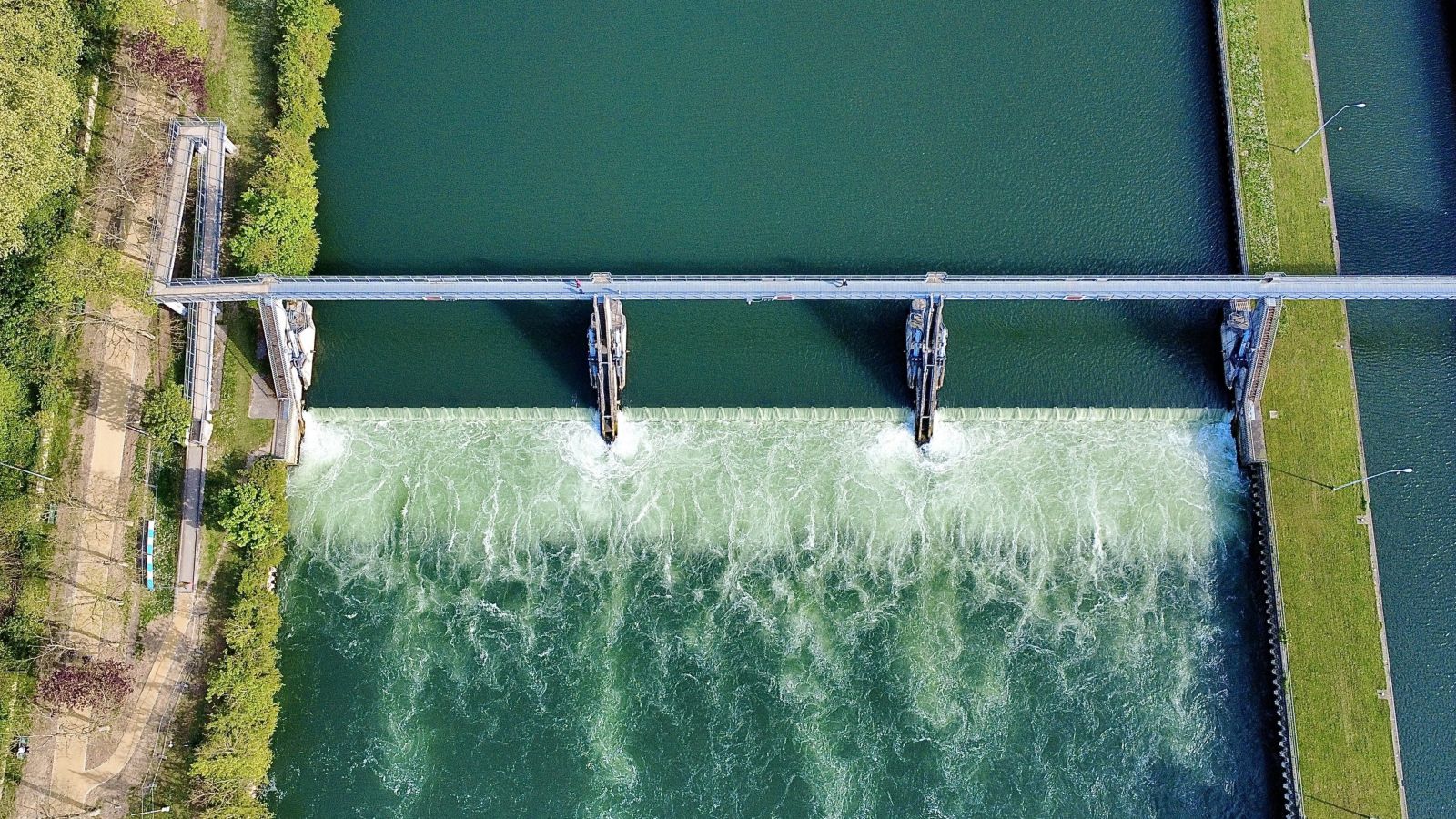
Safer, more efficient operations for the utilities industry
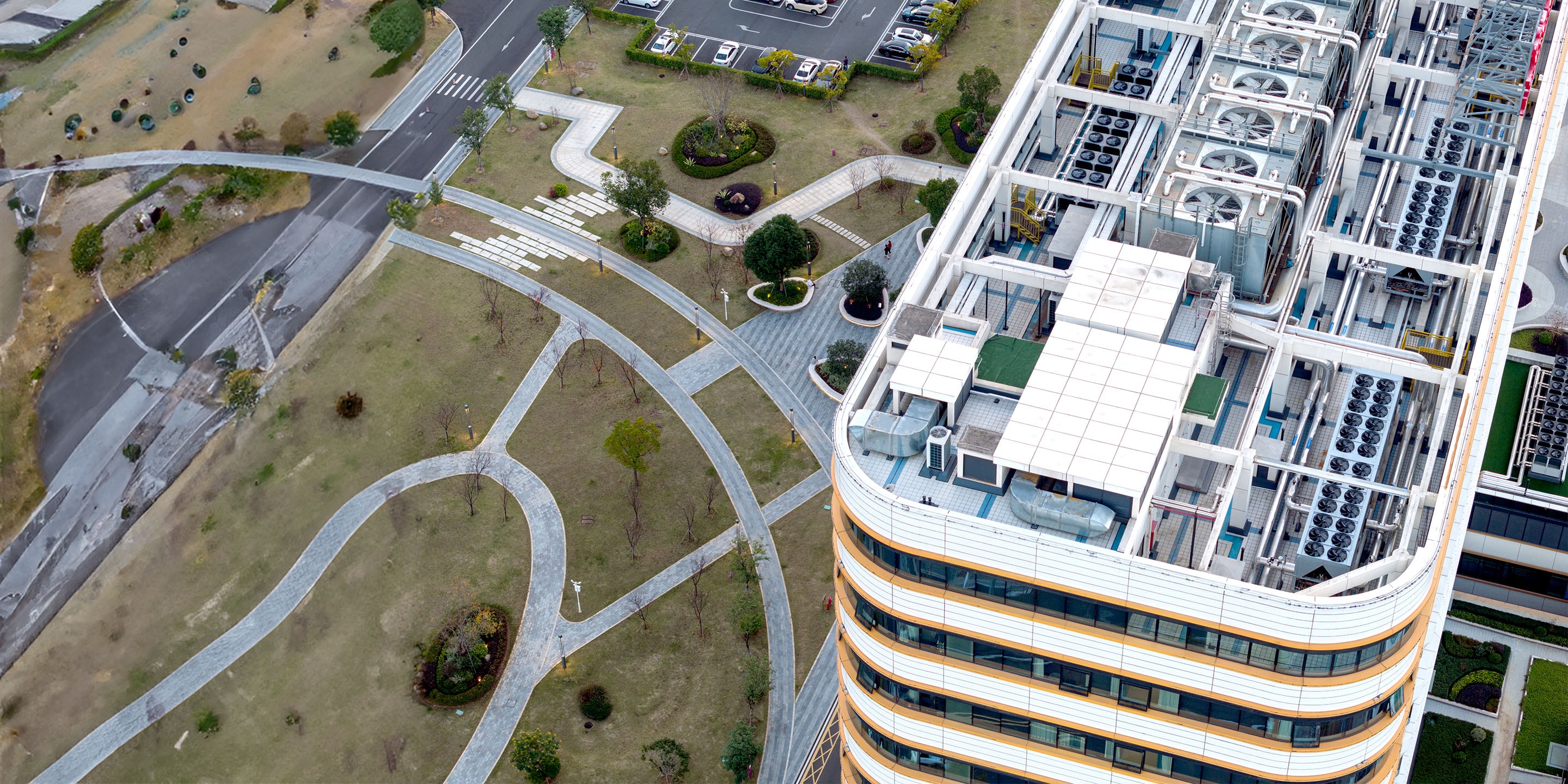
Predictive maintenance. Integrated energy solutions. Improved occupant experiences. Connected buildings. We can help you meet the challenges of today while keeping you a step ahead of tomorrow.
How leaders employ automation to upgrade service delivery
Frequently Asked Questions About the Utility Value Chain
Utilities -reduce emissions through multiple strategies: shifting to lower-carbon generation, making existing power plants more efficient, expanding demand-side management to reduce consumption and adopting carbon capture technologies. Recent surveys show 57% of utilities plan significant decarbonization investments.2
The rise of smart grids, smart meters and interconnected networks creates more entry points for cyberattacks. Industrial operations, including utilities, face significant threats, with 75% experiencing cyber-attacks recently, making operational technology cybersecurity an important consideration for industrial operations.
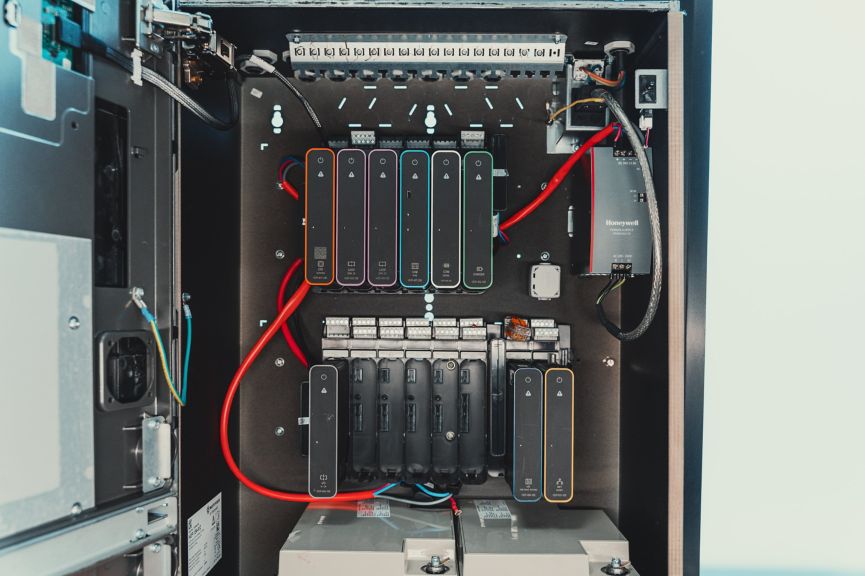
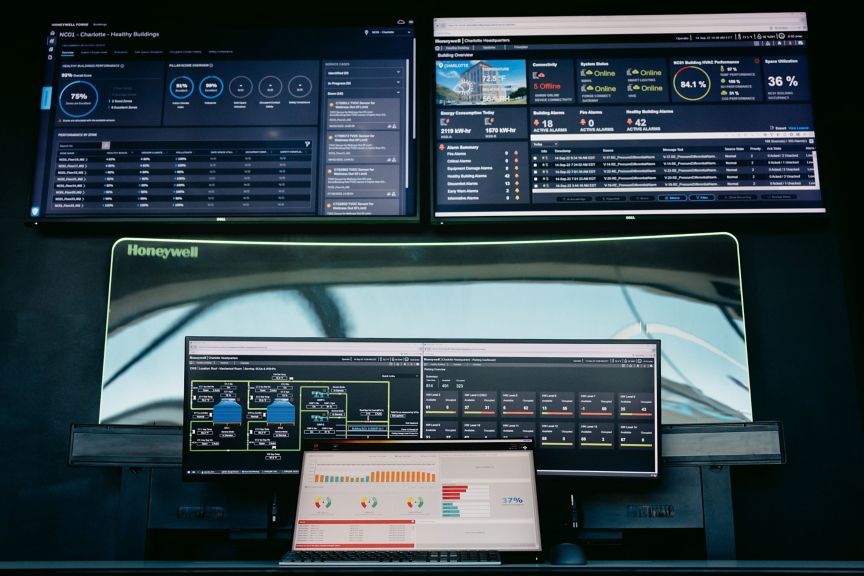
An integrated SCADA (supervisory control and data acquisition) solution provides near real-time monitoring and access to electrical system alarms and events, as well as single line custom displays and troubleshooting analysis tools.
Distributed energy resource programs (DERs) are small-scale electricity supply or demand resources that are usually situated near sites of electricity use. They help modern energy grids integrate renewable sources of power. Most DERs are connected to the public grid, improving the reliability and resilience of wider energy systems. At times of peak energy consumption, DERs can help utilities balance grid loads to prevent outages and blackouts and even generate power to reduce energy costs. Although they represent a small percentage of power generation, DERs are becoming more common. Examples of DERs include but are not limited to solar panels, wind turbines, battery energy storage systems and electric vehicles.
By participating in demand response programs, leveraging distributed energy resources and adopting flexible load management strategies, commercial and industrial customers can help utilities balance supply and demand, improve grid resilience and reduce costs.
Utilities can improve underground line locating by adopting advanced technologies and proactive strategies that help enhance accuracy and reduce risk. Line locating services are critical to public safety as they help protect infrastructure and maintain service reliability. By accurately identifying the location of underground utility lines, such as gas, electric and water, utilities help prevent accidental damage during excavation or construction activities. This approach helps address issues early by reducing the risk of minor damages from escalating into more serious and costly problems.
Sources:
1 IBM, “Power grid modernization—Strategies and tactics for resilience and energy transition | IBM,” Biren Gandhi, Zahid Habib, Sally Jacquemin, Spencer Lin, March 21, 2025. [Access August 15, 2025]
2 Fortinet, "2024 State of Operational Technology and Cybersecurity Report," June 12, 2024. [Accessed January 23, 2026]