

Gas Sensors

Advanced sensing for toxic and combustible gases

Precision sensor technologies for demanding industrial measurement

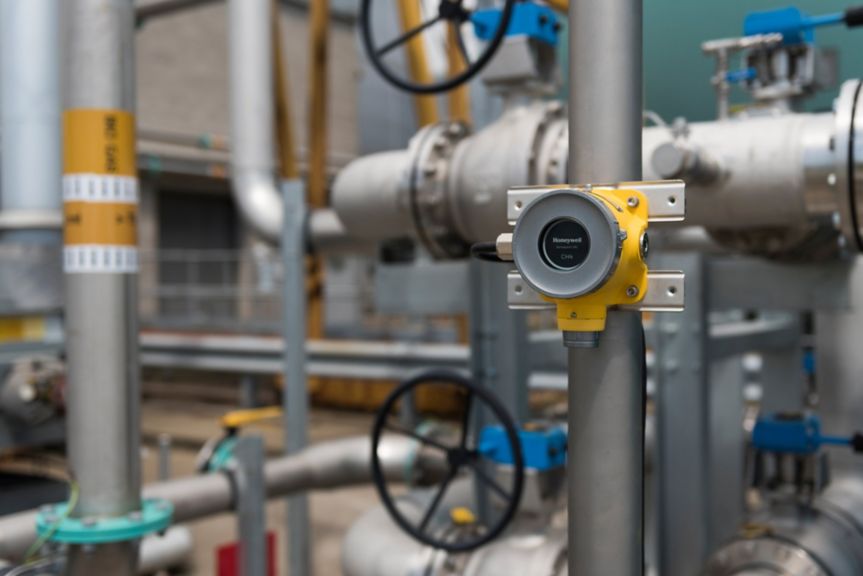
A complex industrial pipeline featuring yellow piping, pressure gauges, and green control valves against a clean white background.
Industrial gas sensor in a factory

Precision sensor technologies for demanding industrial measurement

Gas Sensor Technology for Safety-Critical Detection Equipment

Honeywell manufactures gas sensors employing electrochemical, catalytic bead, non-dispersive infrared and photoionization technologies. Our sensors measure up to 28 gases with sensitivity ranging from parts per billion to percent volume across -40°C to 60°C.1

Applications include portable monitors, fixed detectors, emissions analyzers and medical instruments for industrial, medical and specialty markets.

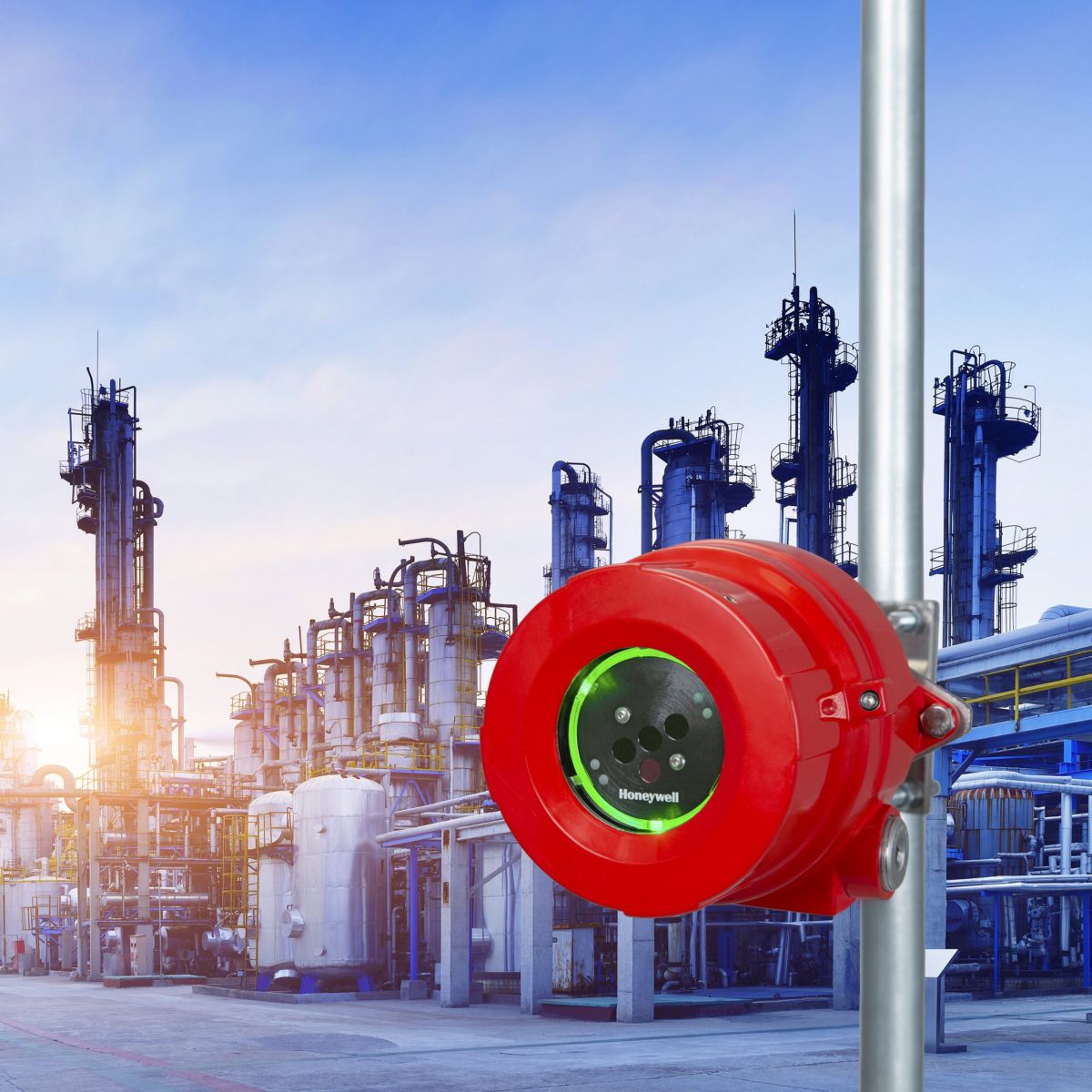
A bright red Honeywell gas detection sensor mounted on a pole against the backdrop of a petrochemical refinery facility at sunset.

Multiple Sensor Technologies

Honeywell gas sensors employ electrochemical, catalytic bead, non-dispersive infrared and photoionization technologies for diverse gas measurement applications.


  • Electrochemical: ppm sensitivity, low power, compact

  • Catalytic bead: poison resistant, multi-year life

  • NDIR: resistant to common catalyst poisons, long-term calibration stability 

  • PID: ppb sensitivity for VOCs

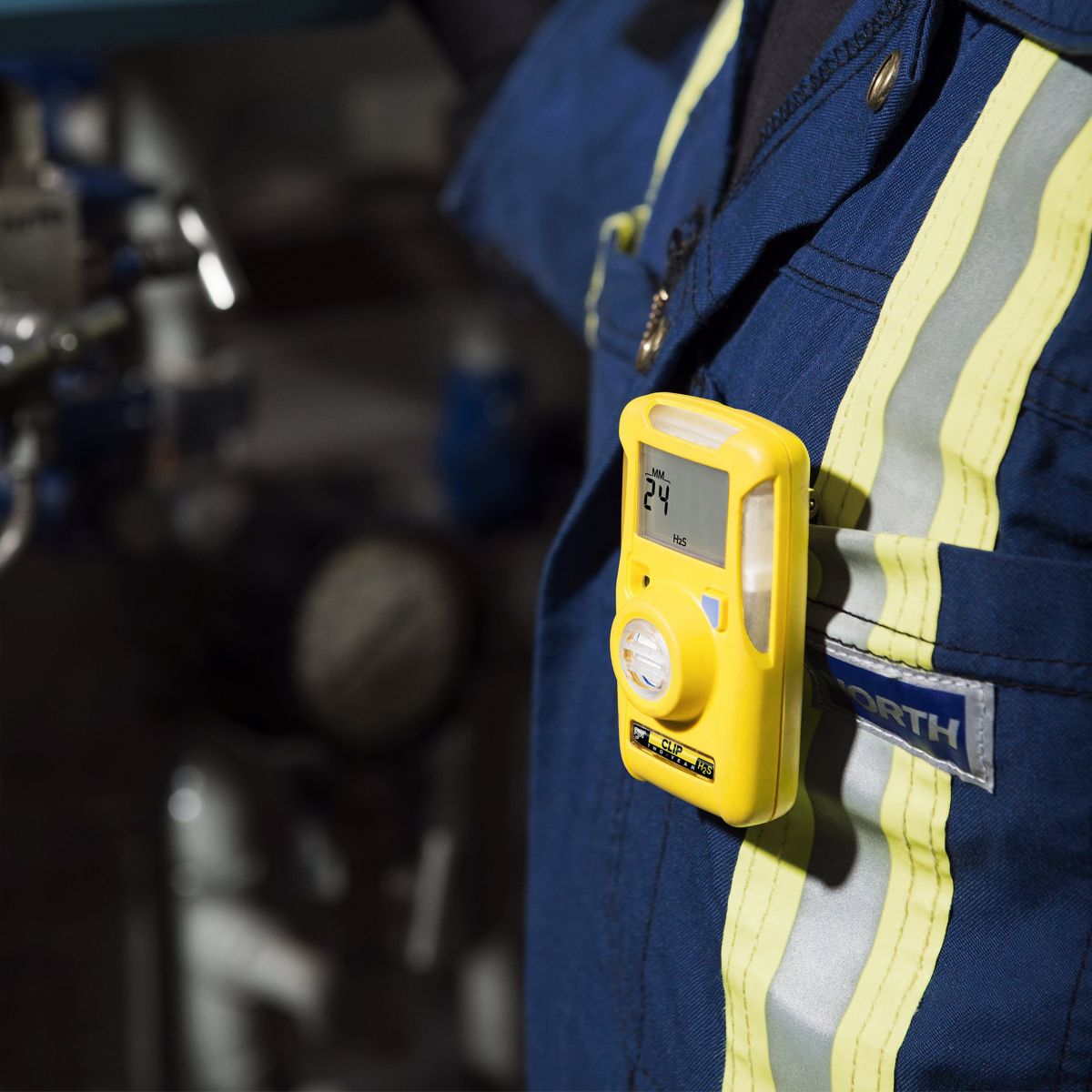
An industrial worker wears a personal hydrogen sulfide gas detector clipped to high-visibility work coveralls while operating equipment.

Engineered for Long Life and Simplified Maintenance

Factory-calibrated designs and extended sensor lifetimes help streamline setup and reduce maintenance and replacement frequency for OEM customers.


  • Simple integration via factory-calibrated outputs

  • Temperature-compensated for measurement accuracy

  • Typical 2–5-year operational life

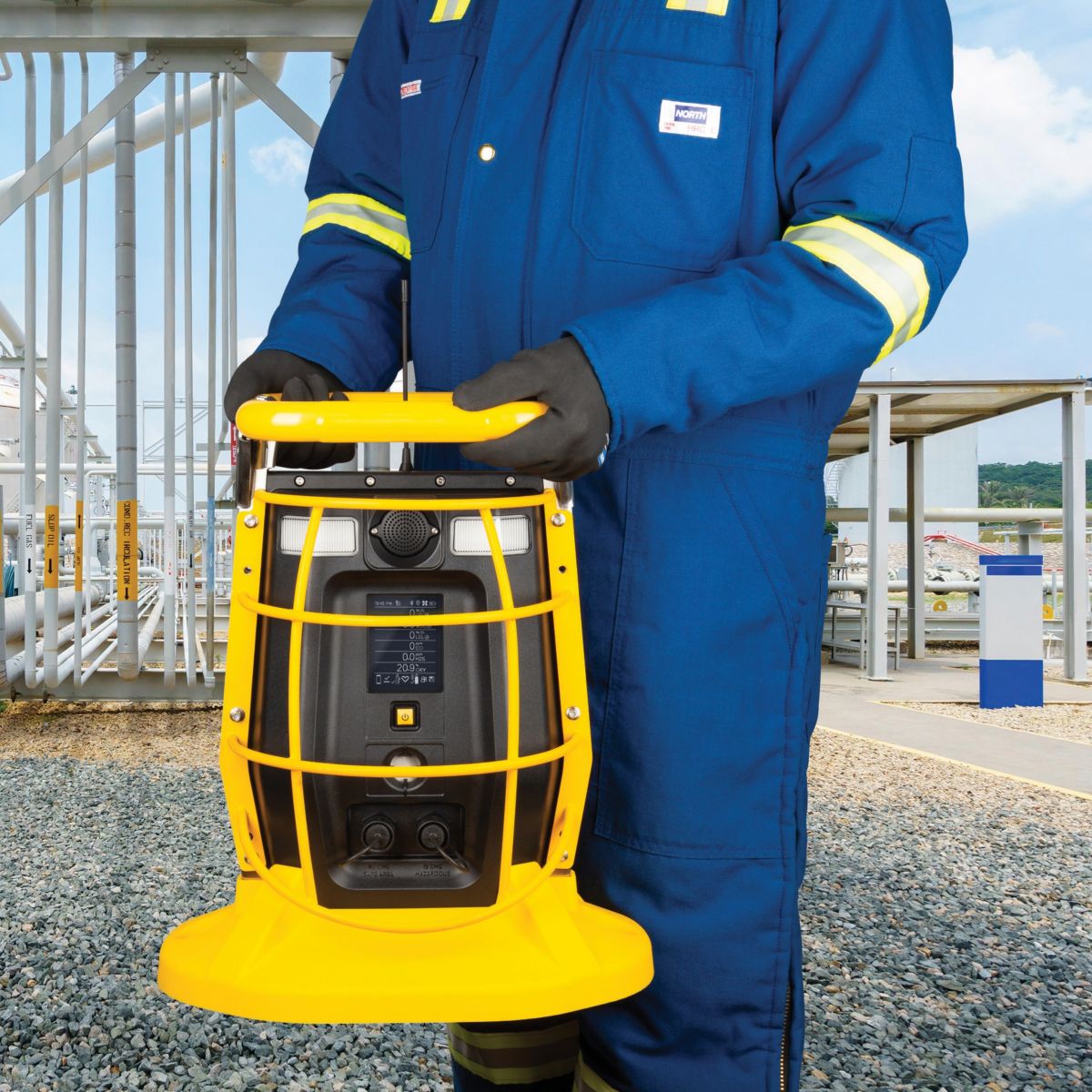
An industrial worker holds a portable gas detection monitor while standing at a processing facility featuring outdoor pipeline infrastructure.

Maintain Accurate Gas Sensing in Challenging Environments

Sensor designs incorporate sealed housings, corrosion-resistant materials and temperature compensation to help maintain measurement accuracy in extreme industrial conditions.


  • Operates in -40°C to 60°C with compensation

  • Sealed housings protect against contamination

  • Corrosion-resistant materials 

  • Constructed to withstand shock and vibration

  • 300+ gas sensor products

    One of the widest ranges of gas sensors on the market with more than 300 gas detection products.¹ Multiple sensor formats and technologies can be configured to suit specific application requirements across personal protection and fixed monitoring systems.

  • 28 different gases detected

    Comprehensive gas sensing coverage for toxic, combustible and specialty gases including hydrogen sulfide, carbon monoxide, methane, propane, ammonia, chlorine and volatile organic compounds.¹

  • -40°C to 60°C Operation

    Temperature-compensated sensor designs maintain measurement accuracy across extreme environmental conditions. 

Gas Detection Sensor Frequently Asked Questions

Identify target gases and measurement ranges (ppm vs. percent volume). Consider operating temperature, humidity and interferent gases in your application environment.


Evaluate sensor format for equipment housing constraints, mounting configuration and electrical interface (analog vs. digital). Match response time and accuracy to instrument requirements. 


Select technology by gas type: 


  • Electrochemical for toxic gases
  • Catalytic bead for combustibles
  • NDIR for hydrocarbons
  • PID for VOCs


Consider sensor life and replacement cycles for your maintenance model. Our technical support team can provide application-specific guidance to help configure sensors matching your exact requirements and compliance obligations. 

Sensor selection depends on target gas, required detection limits, environmental conditions and maintenance preferences. Many applications benefit from multi-technology approaches that combine these methods for comprehensive coverage.


  • Electrochemical sensors excel at detecting toxic gases (CO, H₂S, NH₃, Cl₂) at ppm levels with low power consumption and compact design.
  • Catalytic bead sensors provide reliable combustible gas detection with high poison resistance.
  • Infrared (NDIR) sensors offer resistance to common catalyst poisons and fast response for hydrocarbons and CO₂.  
  • Photoionization detectors (PID) deliver parts per billion sensitivity for volatile organic compounds.


Ready for advanced sensing?

Contact our gas detection solutions specialists to discuss your sensing requirements.