





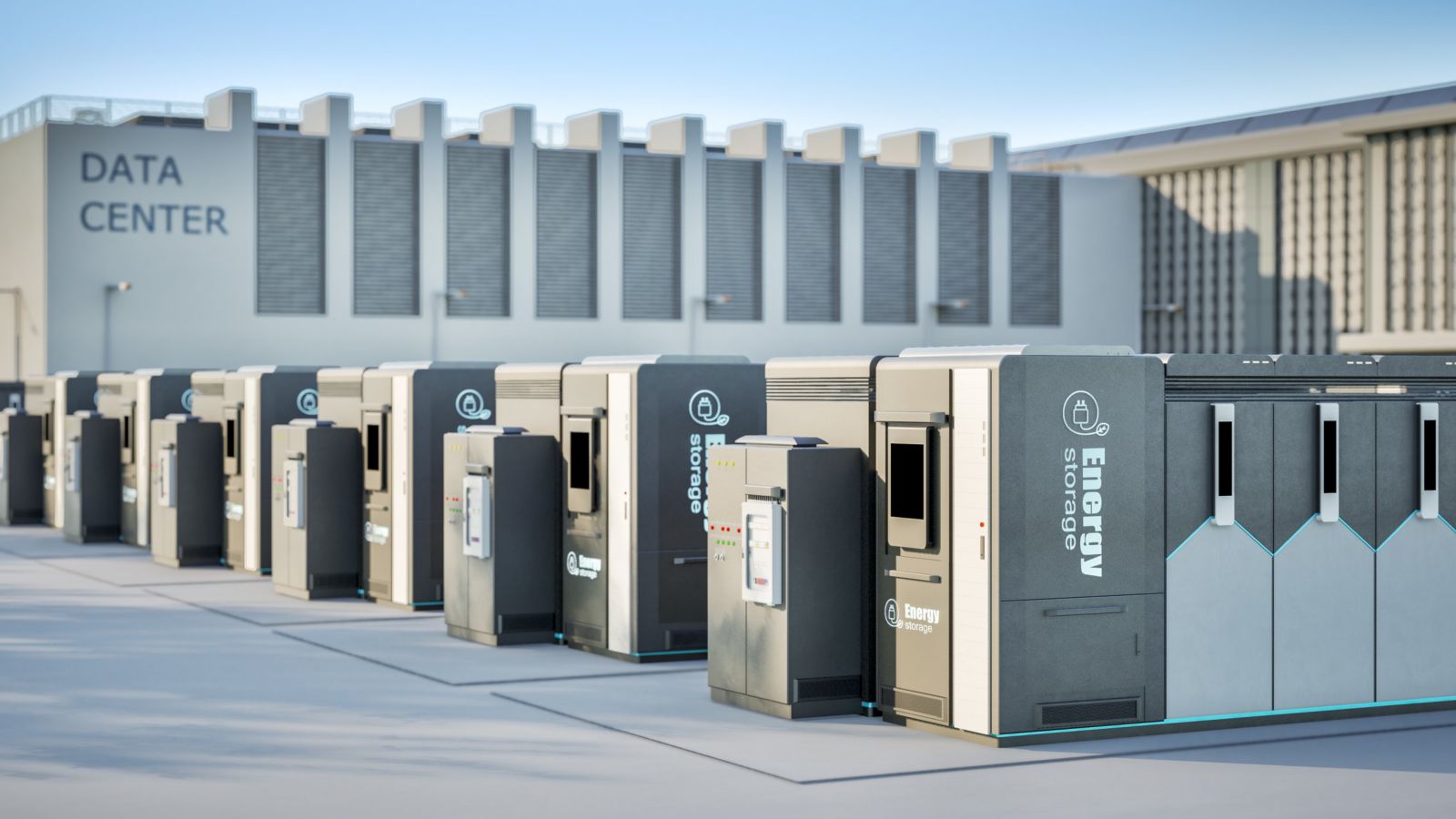
To prevent downtime in data centers, technology like early smoke detection systems, energy storage solutions, predictive maintenance and redundant infrastructure for power and cooling should be considered. Forty percent of organizations have experienced a significant, serious or severe IT service outage that was caused by human error over the past three years, highlighting the need to automate standardized procedures and workflows as well as to use integrated monitoring to help maintain uptime2.
Data center solutions for increasing demands
Improve uptime and support operational scaling with solutions designed to respond effectively to surging demand.

Improve uptime and support operational scaling with solutions designed to respond effectively to surging demand.
Help Improve Uptime. Reduce the Risk of Disruptions. Data Center Solutions at Every Scale.
Hyperscale and colocation data center operators are under enormous pressure to scale their operations to satisfy rapidly growing demand driven by high-performance computing and AI workloads. Honeywell helps data center operators meet the challenges of accelerating the build of a standardized global fleet with trusted data center solutions that help optimize facility uptime, enhance operational efficiency, support carbon management goals and help protect workers, data and assets.

Customer Stories
See What We’ve Done for Top-Tier Data Centers Worldwide
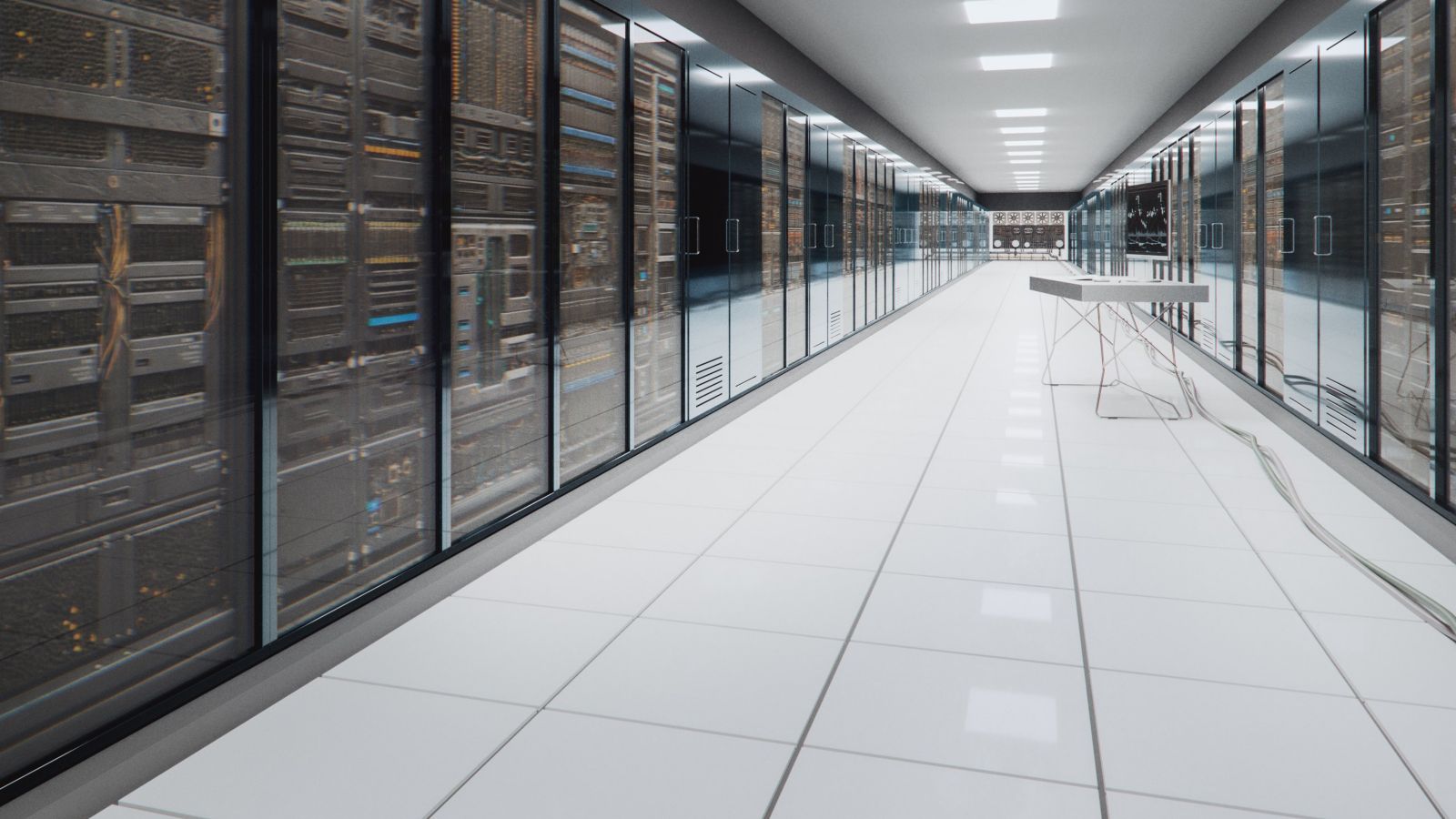
Data center solutions for the challenges to come
Data center infrastructure requires scalable, adaptable solutions that can support the demanding workloads of high-performance computing and AI-based workloads.
The future of data center technology is here
-
8 Essential Questions to Ask Data Center Solution Providers
-
Don't Let Extreme Temperatures Compromise Your Data Center's Efficiency
-
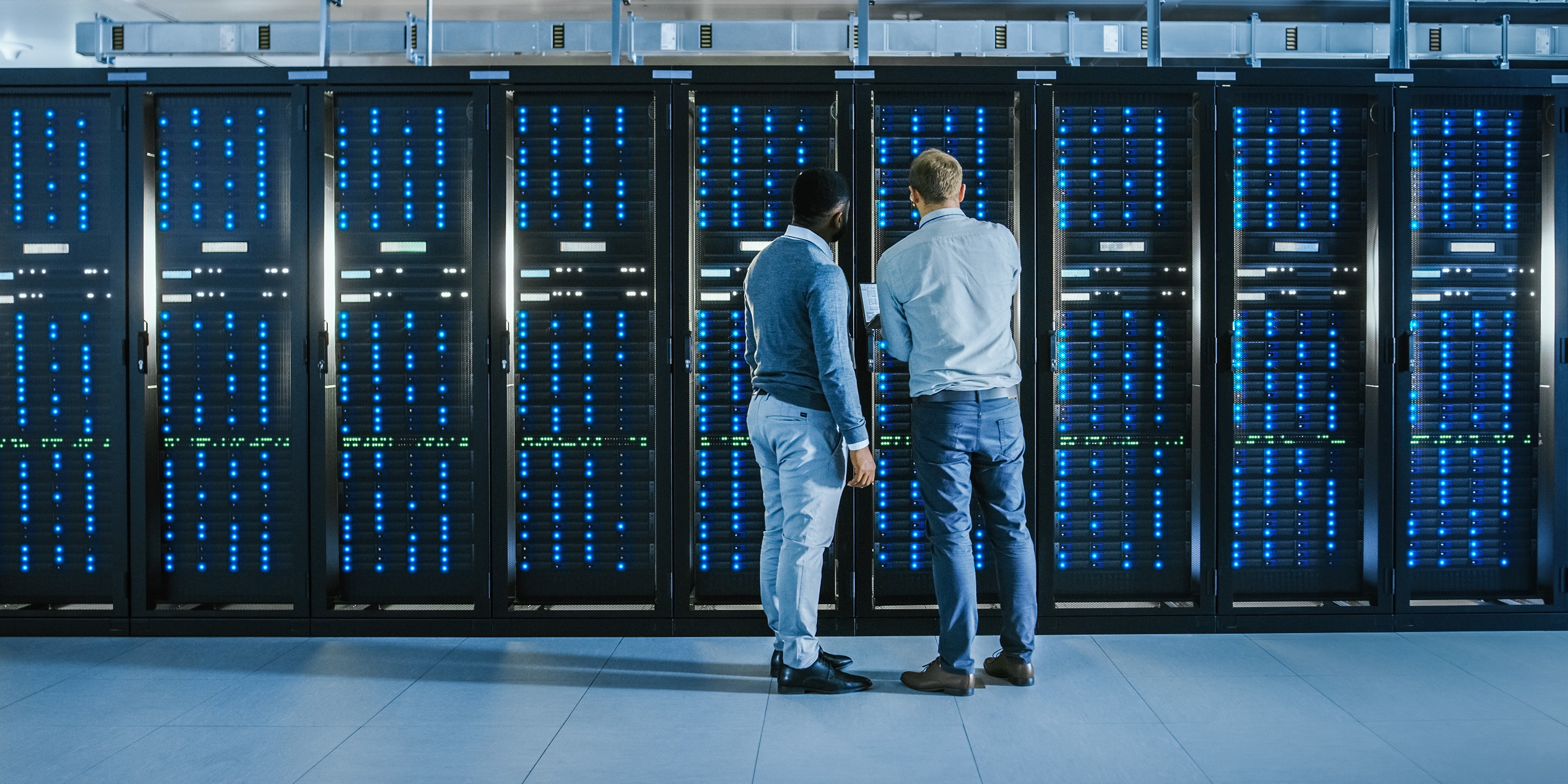
Balancing Data Center Computing Demands and Energy Efficiency
-
5 Ways to Rein in Data Center Consumption in 2024
-
Taking a Holistic Approach to Prepare Your Data Center for the Future
-
How to Reduce Your Data Center's Operational Expenses
-
Three Key Challenges Facing Data Centers In 2023
-
VESDA vs. Spot Detectors: Choosing the Right Solution for Your Data Center
-
Data Center Downtime: Why Better Awareness Offers More than Redundancy
-
3 Reasons to Make Your Data Center Sustainable
-
Data Centers cannot Afford to be Offline. Ever.
-
Data: The True Asset of Buildings
-
Myths and Truths: Understanding the Realities of Choosing Data Center Controllers
Frequently Asked Questions
To choose the right data center solutions for your business, start with identifying and evaluating data center providers. It’s important to look beyond just buying point-solution and work with a partner that can support a full project lifecycle, from design and integration to ongoing service. Look for a partner with experience in integrating systems to help improve reliability and reduce complexity, as well as a track record of delivering projects on time and on budget. Ask providers for case studies, on-time delivery rates and details about how systems are monitored and supported over time.
Lifecycle design can help data centers optimize energy use and environmental impact by addressing efficiency at every stage, from site selection and thermal management to automation solutions and waste heat reuse. A data center with a well-planned lifecycle approach may be able to lower carbon footprint by up to 69% using commercially available technologies, compared to traditional designs that focus only on minimizing power usage efficiency (PUE).3 Improving energy efficiency doesn’t just lower carbon footprint – it also helps reduce operating costs and prevent downtime by keeping systems running more reliably.
A PLC (Programmable Logic Controller) is typically designed for high-performance, mission-critical systems like power infrastructure and chiller plant management in data centers. It offers fast response times and built-in redundancy. A DDC (Direct Digital Controller) is well suited for non-critical HVAC systems, such as office or lobby spaces, and typically includes pre-built templates for ease of setup. Many data centers benefit from a hybrid controller approach, basing selection on the specific performance and reliability needs of each use application.
Advanced smoke detection is critical in data centers because high airflow systems can dilute smoke, making early signs of fire harder to detect. Without fast and accurate detection, even small incidents can escalate quickly, leading to equipment damage, data loss and costly downtime. Early warning systems, like lithium-ion battery off-gas sensors, aspirating smoke detection and smart alarm panels, can provide more lead time to respond, helping protect sensitive infrastructure and maintain uptime.
Sources:
1 McKinsey & Company, “Accelerating green growth in built environment,” November 2022. [Accessed May 30, 2024]
2 Uptime Institute, “Executive Summary, Annual outage analysis 2025,” May 2025. [Accessed May 6, 2025]
3 Honeywell, “Design for More Efficient Data Centers,” March 2025. [Accessed January 21, 2026]