



Energy technologies for a low‑carbon future

Advancing energy security through renewable fuels, carbon capture and scalable energy solutions.

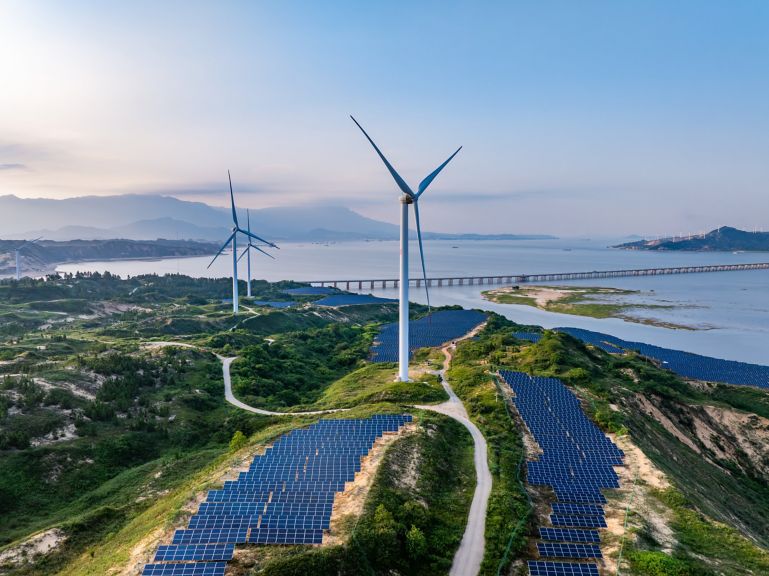
Aerial view of a vast solar panel field captured during a golden hour sunset, highlighting sustainable energy production in a rural landscape.
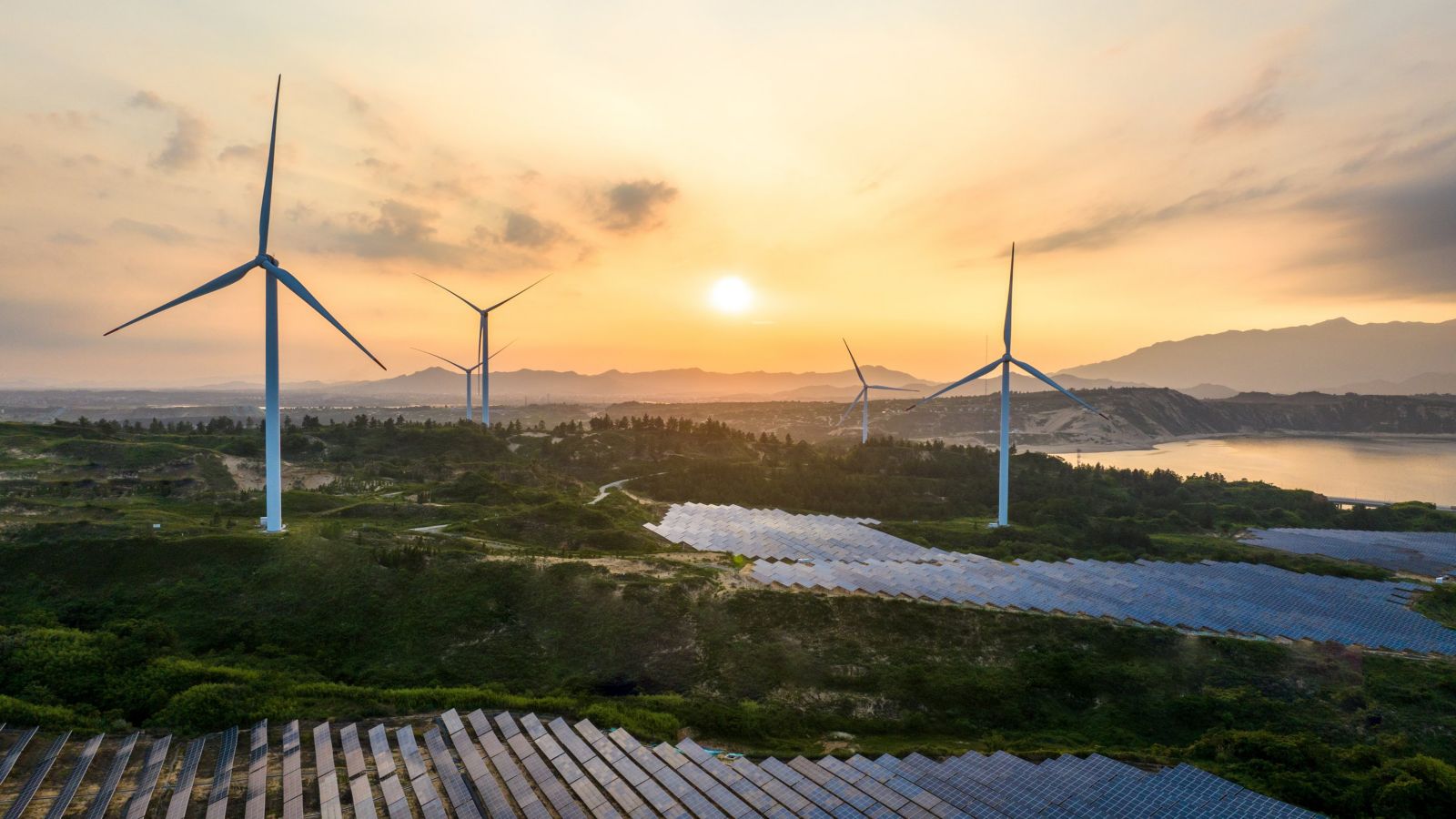
An aerial view of wind turbines in a lush green countryside at sunset, highlighting renewable energy infrastructure against a fading evening sky.

Advancing energy security through renewable fuels, carbon capture and scalable energy solutions.

Advanced Technology Drives Low-Carbon Energy Delivery

A secure energy future depends on the scaling of clean energy and improving the performance of complex energy systems. Honeywell delivers integrated solutions across renewable fuels, hydrogen, carbon capture, plastics recycling and energy storage—helping organizations balance sustainability goals with reliability and economic performance.

Through advanced technologies, automation, digitalization and AI, Honeywell enables energy producers and industrial operators to modernize infrastructure, optimize operations and integrate low-carbon energy strategies.

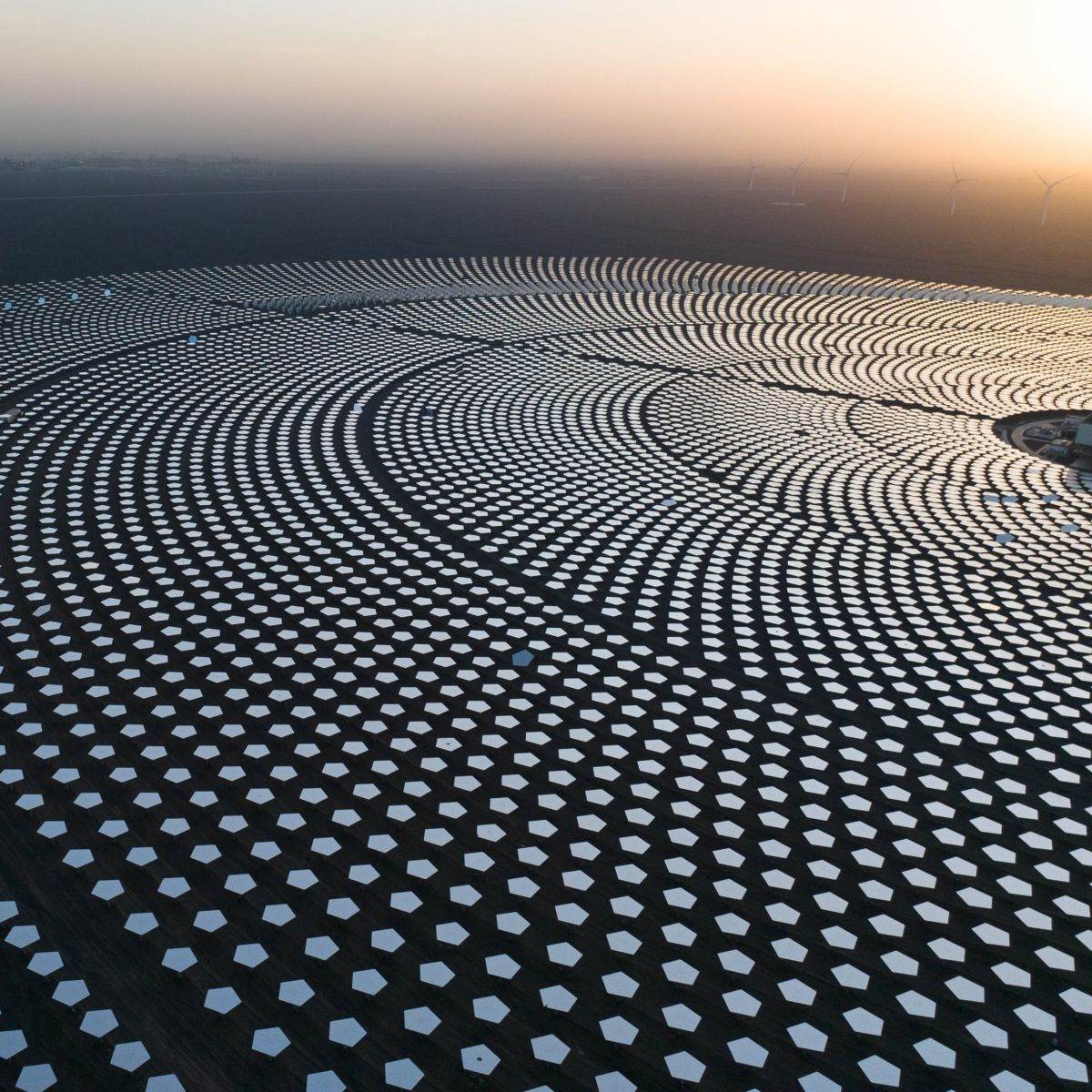
An aerial view captures an expansive array of heliostats reflecting the sunset at a concentrated solar power facility.

Scaling Renewable Fuels for Hard-to-Abate Transportation

Renewable fuels provide drop-in alternatives to conventional petroleum-based fuels across aviation, marine and ground transportation. These fuels enable meaningful emissions reductions without requiring changes to engines, fueling infrastructure or fleet operations.


Honeywell technologies support the conversion of diverse, waste-based and renewable feedstocks into high quality renewable fuels—helping producers scale capacity while improving yields, efficiency and lifecycle carbon performance. Discover technologies for:


  • Sustainable aviation fuel (SAF) and electro-SAF (eSAF)

  • Biocrude upgrading 

  • Co-processing with renewable feeds

  • Biomass conversion

  • Refining waste feedstock into renewable fuels

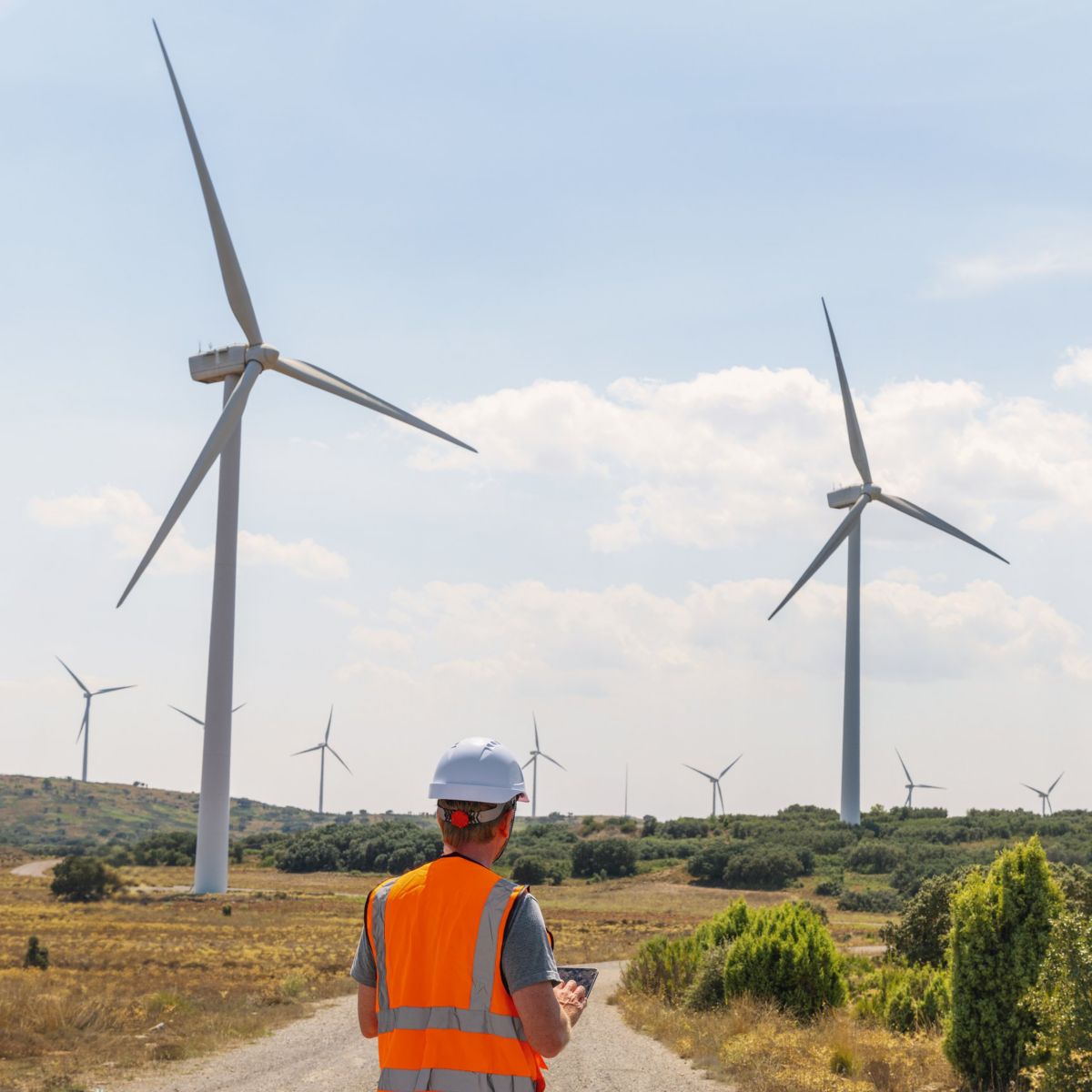
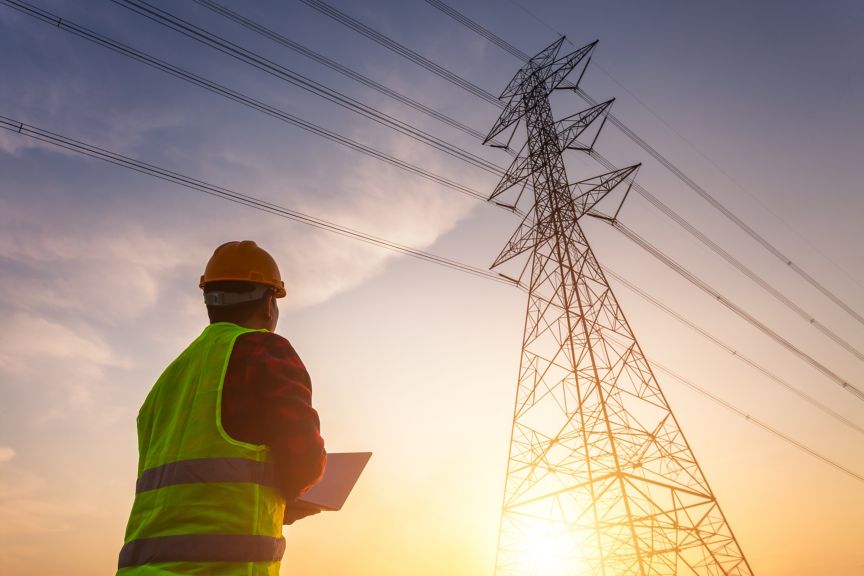
An engineer in a safety vest and hard hat uses a tablet to monitor wind turbines on a sunny day at a renewable energy site.

Commercial‑Scale Hydrogen for a Diversified Low‑Carbon Energy Mix

Honeywell supports commercial‑scale hydrogen production with technologies that enable both green and blue hydrogen pathways.


  • For green hydrogen, Honeywell provides solutions for renewable powered electrolysis, including advanced materials, purification systems, controls and digital optimization to support efficient, reliable operations

  • For blue hydrogen, Honeywell integrates hydrogen production with carbon capture and purification technologies, helping reduce emissions while leveraging existing infrastructure

Together, these solutions enable flexible hydrogen systems that support decarbonization goals, improve operational performance and strengthen the resilience of low carbon energy infrastructure. 

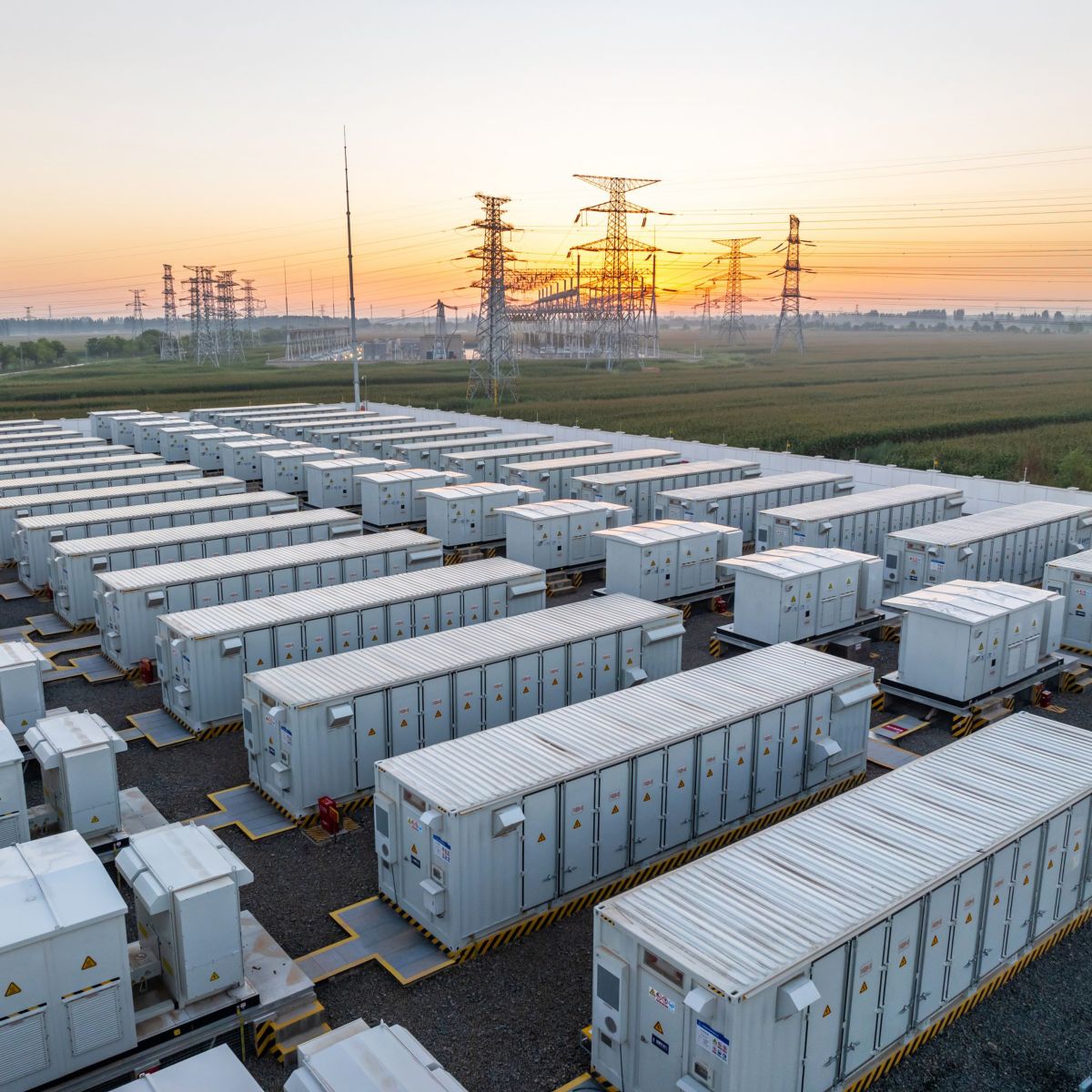
Aerial view of a large-scale industrial battery energy storage system at sunset near high-voltage transmission towers.

Optimizing Low-Carbon Energy Assets With Data and Automation

Connect data from plant to enterprise and enable near real‑time insight, predictive intelligence and continuous optimization. Honeywell technologies help operators reduce emissions, maximize uptime and run more resilient, efficient energy systems. 


  • Connected plant operations turn near real-time data into actionable insight

  • Get predictive analytics and equipment health monitoring

  • Integrate control and safety systems 

  • Take advantage of AI‑driven advisory and automation tools

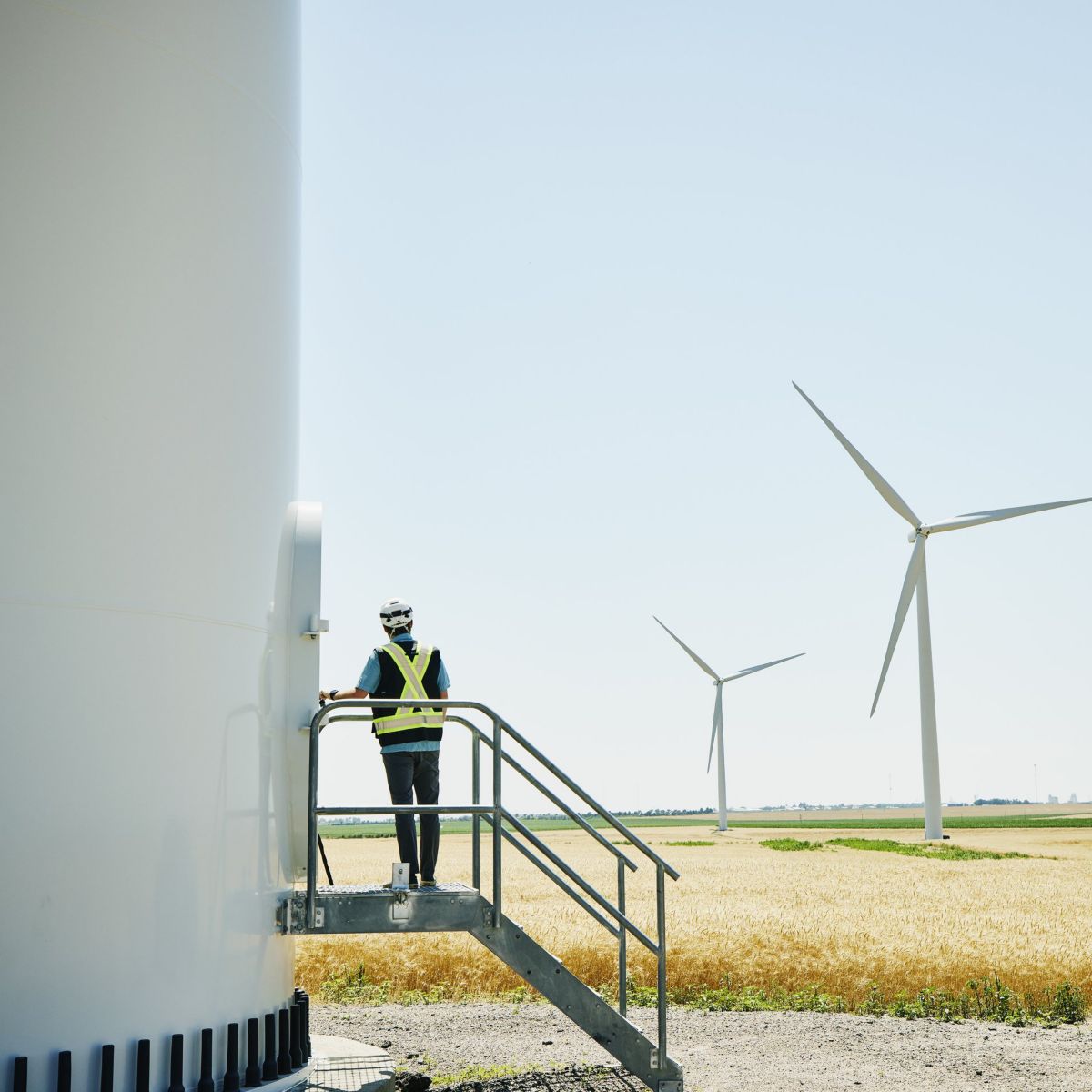
A technician in safety gear stands on a metal platform to access a large white wind turbine tower situated in a vast golden wheat field.

Carbon Capture for Scalable Emissions Reduction

Carbon capture is a critical pathway for reducing emissions across energy‑intensive and hard‑to‑abate sectors while maintaining reliable operations. Honeywell delivers a comprehensive portfolio of carbon capture solutions that help organizations reduce carbon dioxide (CO₂) emissions from existing and new assets—supporting near‑term decarbonization without disrupting production.


  • Capture CO₂ from flue gas

  • Selectively remove CO₂ from high-pressure gas streams

  • Pressure swing adsorption (PSA) system optimized for H₂ purification and CO₂ rejection 

  • Membrane systems designed for high, partial-pressure CO₂ capture in industrial applications

  • CO₂ cryogenic fractionation

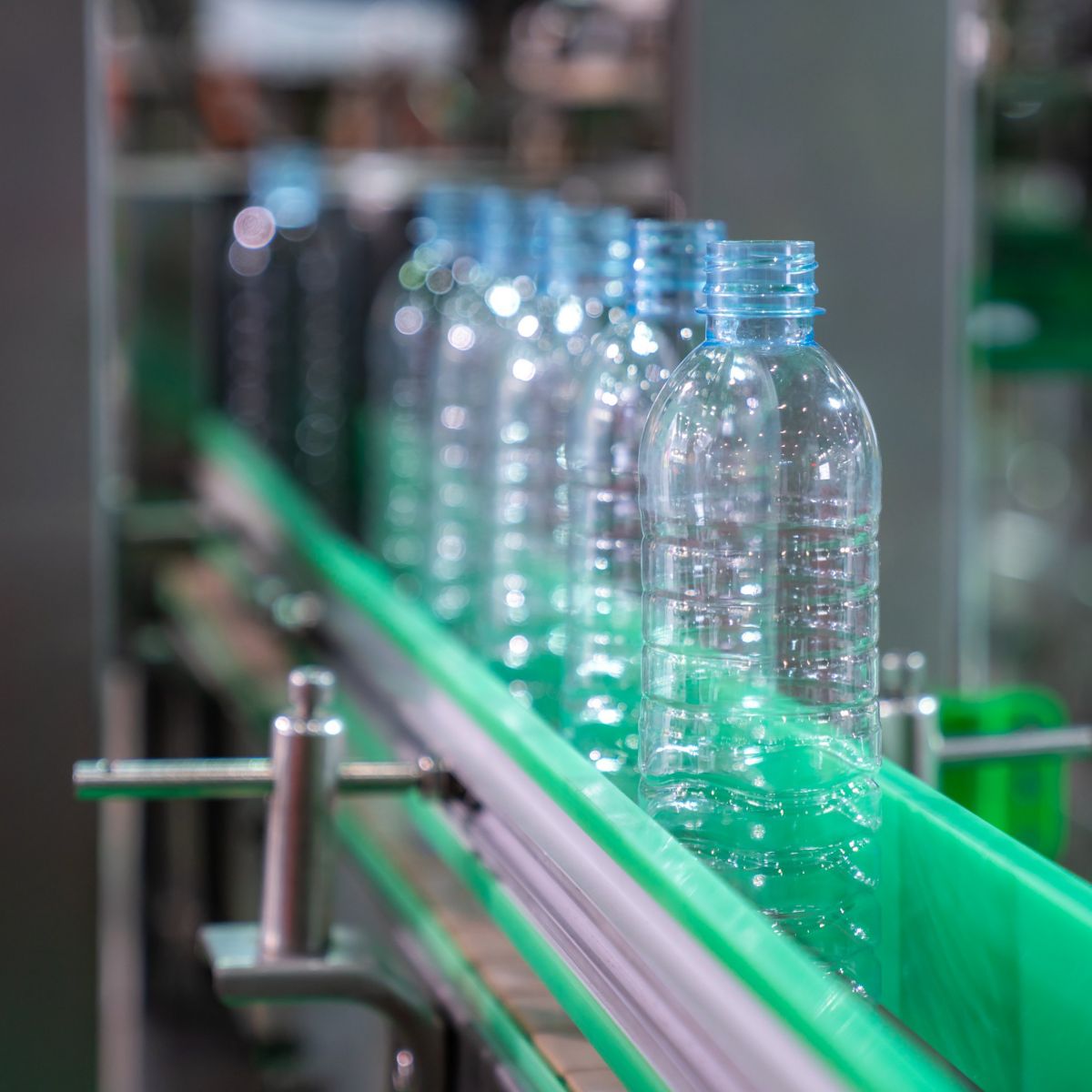
Empty plastic bottles move along a green industrial conveyor belt in an automated beverage bottling facility.

Low‑Carbon Circular Plastics Through Advanced Recycling

Plastic waste represents both a growing environmental challenge and an opportunity to reduce the carbon intensity of materials production. Honeywell UpCycle enables a circular, low‑carbon approach to plastics by converting mixed and hard‑to‑recycle waste into high‑quality feedstocks that can be reused to produce new plastics and fuels—reducing the need for virgin, fossil‑based inputs.


By returning waste plastics to the value chain as recycled polymer feedstock, Honeywell UpCycle helps lower lifecycle emissions, divert waste from landfills and incineration and reduce dependence on fossil resources traditionally used in plastics manufacturing. 


Integrated with Honeywell’s broader Low Carbon Energy portfolio, UpCycle improves resource efficiency and strengthens supply chain resilience—helping enable more circular, lower emissions energy and materials systems.

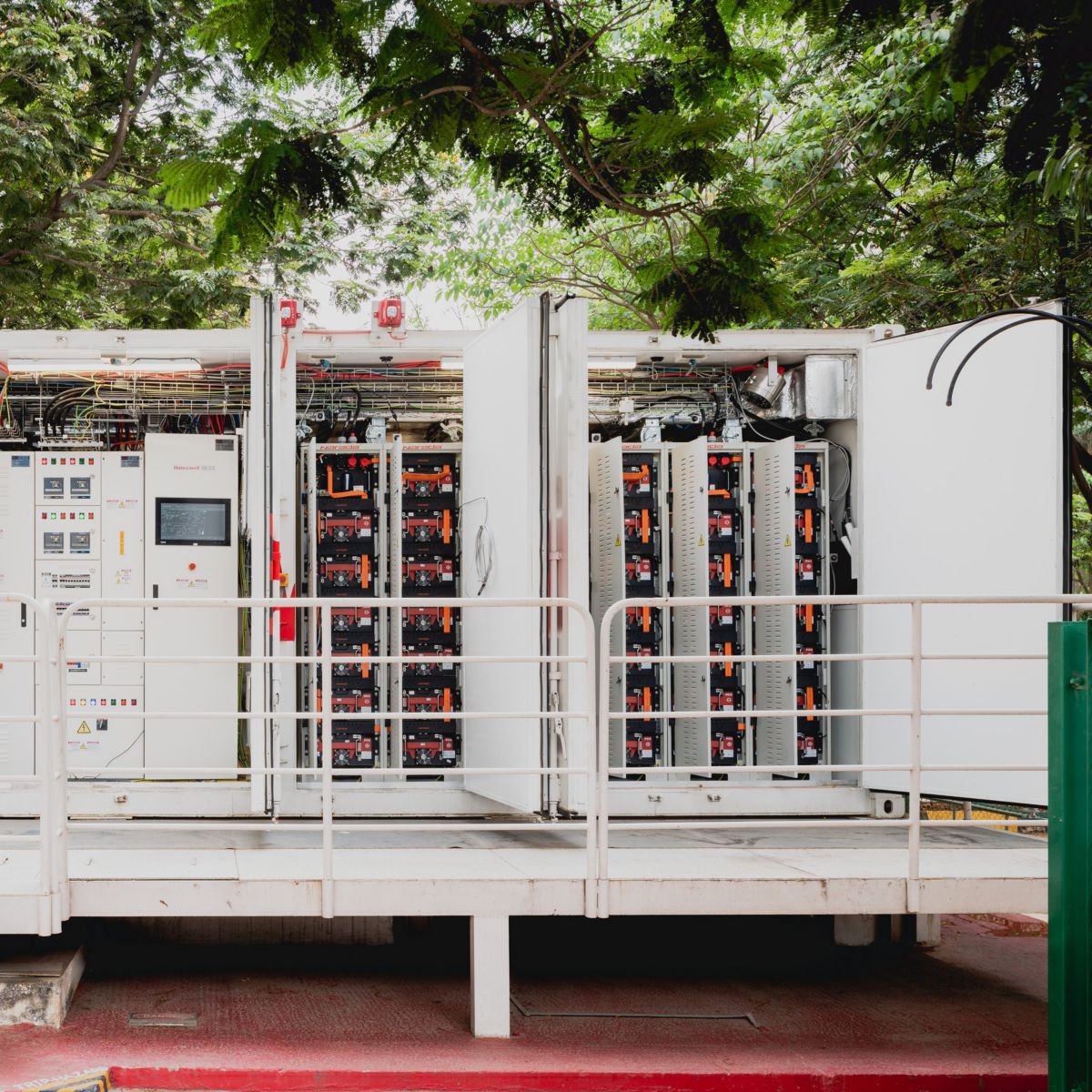
A high-angle exterior view of a containerized battery energy storage system featuring exposed control panels and internal modular racks.

Meet Peak Demand With Scalable Long‑Duration Battery Energy Storage

Long duration energy storage is essential to meeting peak demand while maintaining grid reliability. Honeywell brings deep expertise in chemistry, materials science and process technology to energy storage through its advanced flow battery solution, designed to support scalable, long‑duration applications.


Our innovative flow battery technology allows energy storage that can be used when wind and solar collection is absent, in the event of power outages and when power grids are at capacity. It can store and discharge electricity for up to 12 hours, exceeding the duration of lithium-ion batteries, which can only discharge up to 4 hours. The battery is designed with recyclable components and does not degrade over time.


By addressing intermittency and peak demand challenges, our long‑duration battery energy storage supports the transition to a more resilient, low‑carbon energy system.

  • 25% of the world’s renewable fuels

    Honeywell process technology powers the world’s critical low-carbon energy infrastructure

  • 1,100+ Honeywell licensed hydrogen purification installations worldwide1

    Honeywell invented and developed Polybed PSA technology and has delivered more than 1,100 PSA systems worldwide

  • 15 million tons of captured CO₂  worldwide

    Honeywell carbon capture technologies are ready today and can be deployed at scale

Proven technologies for low-carbon energy production

Our solutions for low-carbon energy help modernize grid infrastructure and integrate clean energy sources. From production to carbon capture to energy storage, we're advancing the low-carbon energy value chain to help improve reliability, reduce costs and support your sustainability goals.

Frequently Asked Questions About Low-Carbon Energy

As renewable fuels, hydrogen and renewable electricity production scale, battery energy storage systems act as rechargeable assets that store energy from multiple sources including solar panels, wind turbines and the grid. These systems charge when renewable energy production exceeds demand or when electricity prices are low, then discharge during peak demand periods. 


Storage systems provide backup power during grid outages while helping reduce energy consumption and carbon footprint. Organizations can sell excess stored energy back to the grid, participate in demand-response programs and provide ancillary services like frequency regulation and voltage support.

Distributed energy resources are small-scale electricity supply or demand resources typically located near sites of electricity use. Common examples include rooftop solar panels, wind turbines, battery energy storage systems, electric vehicle chargers, fuel cells and backup generators. These resources connect to the public grid to improve reliability and resilience of wider energy systems.


During peak consumption, distributed energy resources help utilities balance grid loads to prevent outages. When aggregated into virtual power plants, distributed energy resources can operate as unified resources that participate in wholesale electricity markets while providing grid stabilization services.

A virtual power plant aggregates the capacities of different types of distributed energy resources through advanced software, communications and control platforms. The combined fleet of solar installations, wind turbines, battery systems and flexible loads operates as a single, unified resource that can be dispatched to meet grid needs. A central authority manages the virtual power plant using cloud-based platforms that collect real-time data from thousands of connected devices. Sophisticated algorithms determine optimal times to generate, store or consume electricity based on grid conditions, market prices and participant preferences.

Hydrogen and hydrogen-based fuels can significantly reduce emissions, especially in hard-to-abate industries where direct electrification is challenging. Low-carbon hydrogen production is usually defined as either "blue" or "green." 


Blue hydrogen is produced by conventional methods, using carbon capture technology to reduce CO₂ emissions. 

Green hydrogen is made using renewable energy sources like wind or solar through electrolysis, where electricity separates water into hydrogen and oxygen without generating carbon emissions.

Renewable fuels cut carbon emissions by using renewable feedstocks that recycle recently absorbed atmospheric CO₂, rather than releasing new fossil carbon. They're produced through efficient upgrading processes like Honeywell Ecofining® that turn waste oils, solid biomass and other abundant waste sources into energy-dense, lower-carbon fuels. These drop-in replacements work with today’s engines and fueling infrastructure without modifications, enabling existing fleets to meet transportation demands while helping to reduce lifecycle greenhouse gas emissions.

Advance Energy Security With Next-Gen Renewable Fuels, Automation and Carbon Capture Solutions