Battery Sensors

Enable safer, smarter electrification systems

Electrification sensing that helps improve performance and battery safety in EVs and energy storage.

Rows of energy storage systems installed outside a modern data center building under a clear blue sky.
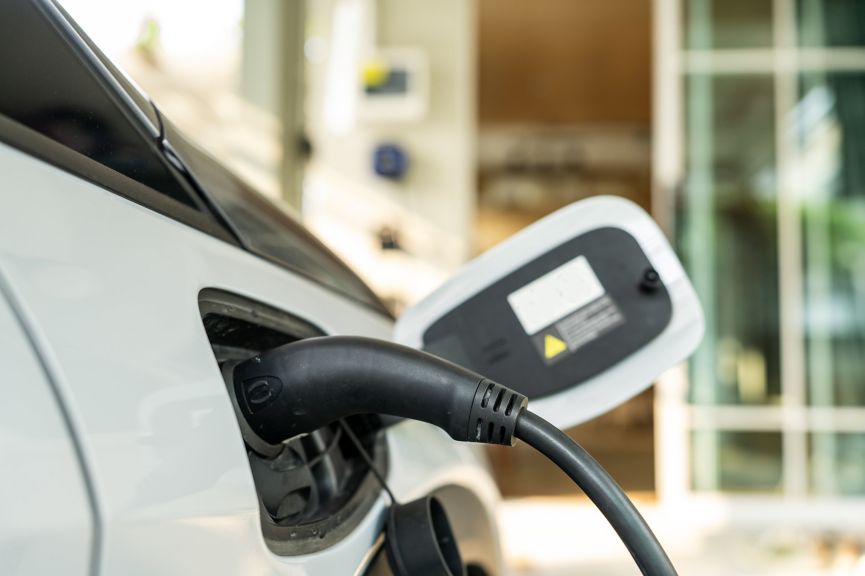
Close-up of a power cable connected to a white electric car at a home charging station.

Electrification sensing that helps improve performance and battery safety in EVs and energy storage.

Critical Sensing for Safe, Efficient and Intelligent Electrification

Honeywell's electrification sensing portfolio covers current sensors for high-accuracy performance and battery safety sensors for thermal runaway detection and safety monitoring.

Battery safety sensors integrate into lithium-ion battery packs to detect early warning signs of thermal runaway, supporting compliance with UN GTR No. 20 and Federal Motor Vehicle Safety Standards. Our line of current sensors provides high-accuracy readings with low temperature drift for electric vehicle (EV) applications and battery energy storage systems.

From battery management to energy storage and EV powertrains, our sensors provide crucial data to help improve performance, safety and lifecycle management.


Early Detection and Monitoring for Battery System Safety

Battery safety sensors detect thermal runaway precursors in lithium-ion battery systems for effective safety monitoring in EVs and energy storage. Our portfolio includes sensors with:

  • Aerosol detection at 5000 μg/m³ threshold
  • Electrolyte vapor sensing before thermal runaway
  • Fault detection via battery pressure sensors
Video thumbnail
00:00
-00:00
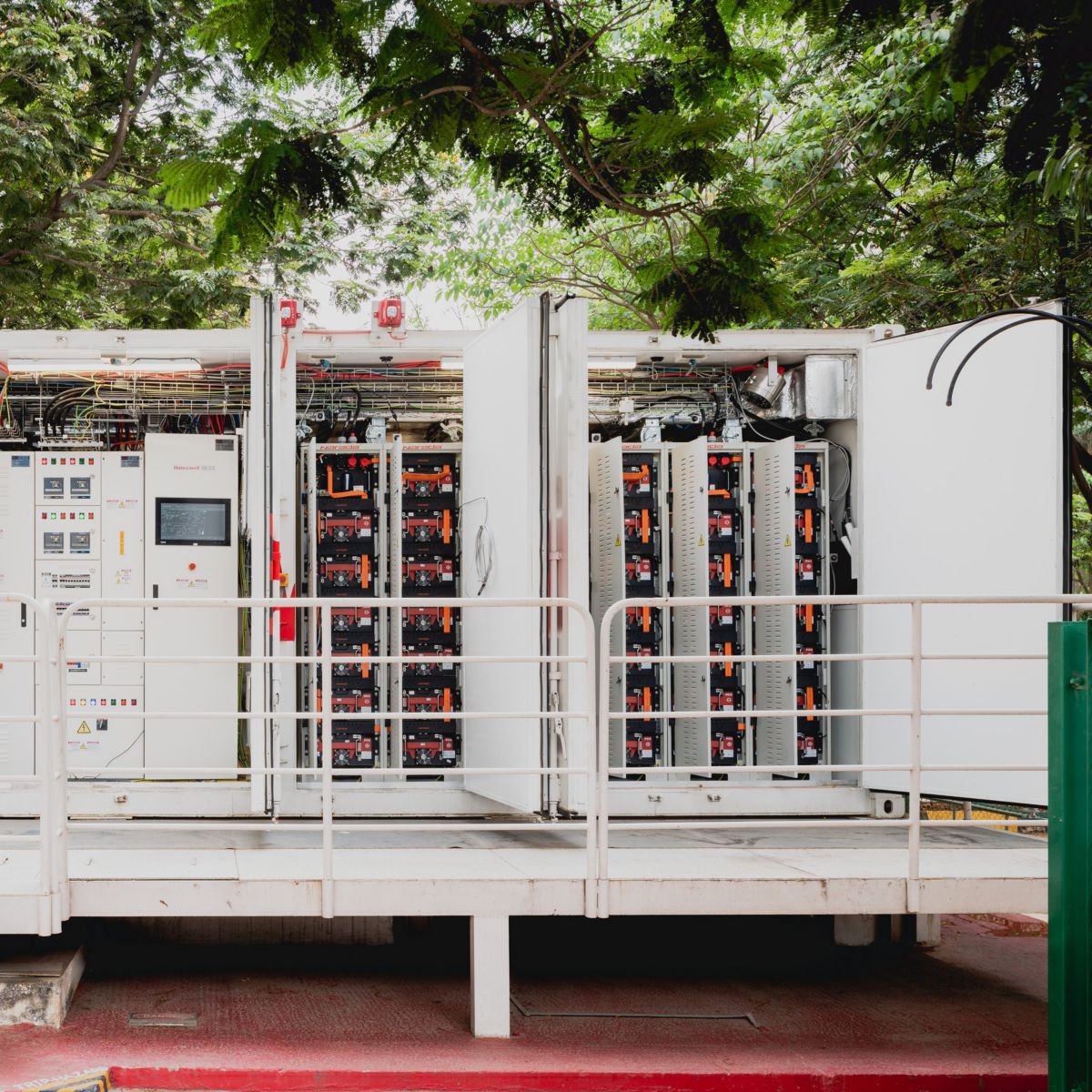
A high-angle exterior view of a containerized battery energy storage system featuring exposed control panels and internal modular racks.

High-Accuracy Current Sensing for Electrification Performance

Our current sensors deliver precise electrical measurements that help improve battery charging, extend operational life and improve energy efficiency across electrification applications beyond battery systems.


  • High accuracy with low temperature drift
  • Open-loop sensing for fast response time
  • BMS integration for intelligent power management
  • Optimized magnetic circuit for magnetic immunity
  • Broad applications with sensors from mA to 1,000A+
Two modern red and silver electric commuter trains sit side-by-side at a railway station platform.

Proven Integration and Reliability Across Electrification Systems

Both current and battery safety sensors feature durable design, industry-standard communication and long operational life for demanding electrification applications across operational environments.


  • CAN 2.0A or 2.0B communication standard
  • Compatible with common Li-ion chemistries
  • Up to 15-year operational life

Frequently Asked Questions About Electrification Sensors

Current sensors provide the near real-time data needed to optimize charging cycles, predict maintenance needs and extend battery life. Honeywell delivers high-accuracy measurements that enable battery management systems to make informed decisions about charge/discharge rates and cell balancing. Safety sensors detect thermal events before they impact performance, enabling preventive action. Combined performance and safety monitoring helps support efficient battery operation while reducing the risk of unexpected failures.

Yes. Our sensors use CAN 2.0B communication, the standard protocol in automotive and industrial battery systems. They feature configurable wake-up and request inputs for simple integration with existing power management schemes. Programmable warning thresholds allow customization to specific battery chemistry and pack design without BMS software changes. The sensors work with all common lithium-ion chemistries and support both new installations and retrofit applications.

Our sensors integrate with IoT platforms through CAN 2.0B interfaces for near real-time data streaming to cloud analytics. The sensors continuously monitor current, voltage, pressure, temperature and gas concentrations that feed predictive maintenance algorithms. This approach enables early identification of degradation patterns and potential failure modes before they impact performance. The architecture supports both edge processing for local decisions and centralized analytics for fleet-wide electrification management.

Ready to enhance your battery systems?

Discuss how our current and battery safety sensors can support your electrification goals.