Flow and Electrical

Monitor pressure and current across buildings

Flow and electrical monitoring designed to help building teams maintain system performance.

A detailed view of organized industrial electrical components and wiring inside a mounted control cabinet.
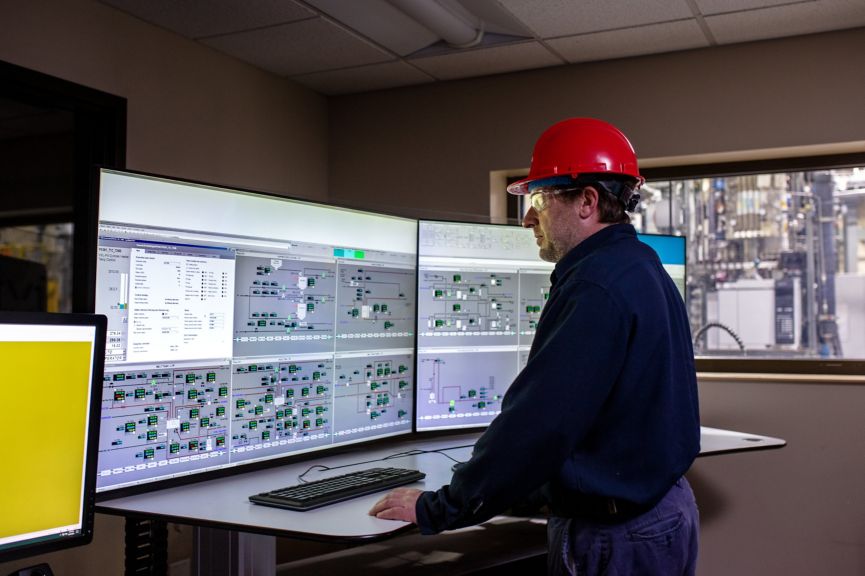
A worker in safety gear monitors complex industrial processes on multiple large screens within a control room setting.

Flow and electrical monitoring designed to help building teams maintain system performance.
Monitor Flow and Power Across Critical Building Systems

Flow and electrical sensing solutions help deliver operational visibility for HVAC and electromechanical systems. Measure differential pressure across components and electrical current behavior in power distribution systems, providing near real-time data that can help facility teams identify performance changes that may impact comfort or efficiency.

When integrated with building controllers and automation platforms, flow and electrical sensors help support informed decision-making, preventive maintenance strategies and energy management programs.

A field technician wearing safety gear connects wiring to industrial electrical equipment during a site installation.

Current sensing for equipment health and safety

Current sensors monitor electrical behavior in motors, distribution panels and battery systems. Fast-response measurement supports predictive maintenance and early fault detection.

  • Detects abnormal current draw and fault conditions
  • Enables integration of battery management systems
  • Tracks power consumption and load patterns
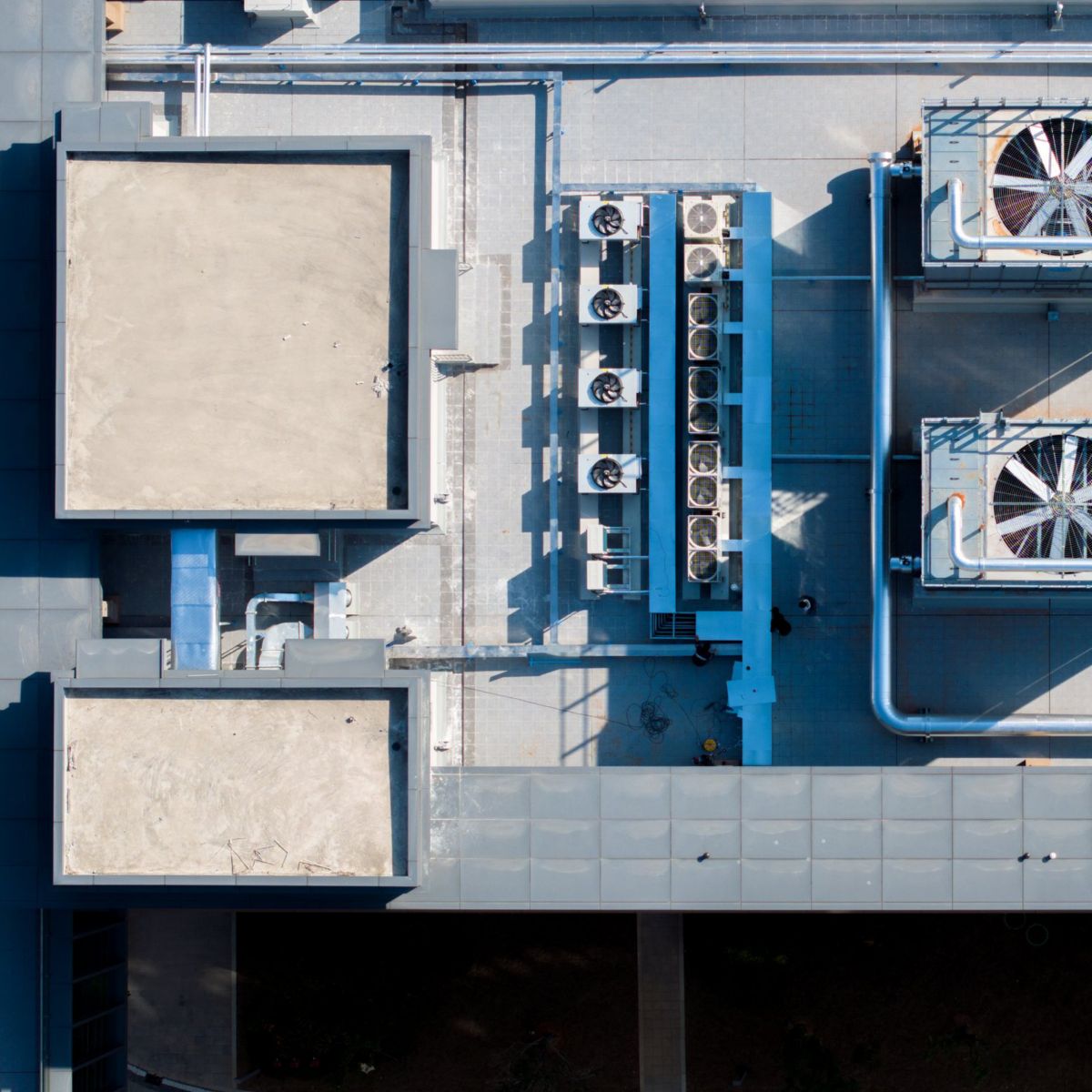
An aerial view displays large industrial ventilation units and piping arrays on a flat commercial building rooftop under bright sunlight.

Differential pressure sensing for flow monitoring

Differential pressure sensors measure pressure drop across filters, coils, dampers and valves. These measurements indicate filter loading, flow restrictions and system balance.

  • Monitors filter loading and change requirements
  • Verifies HVAC and hydronic system operation
  • Confirms pump performance and flow balance
  • Integrates with building automation platforms
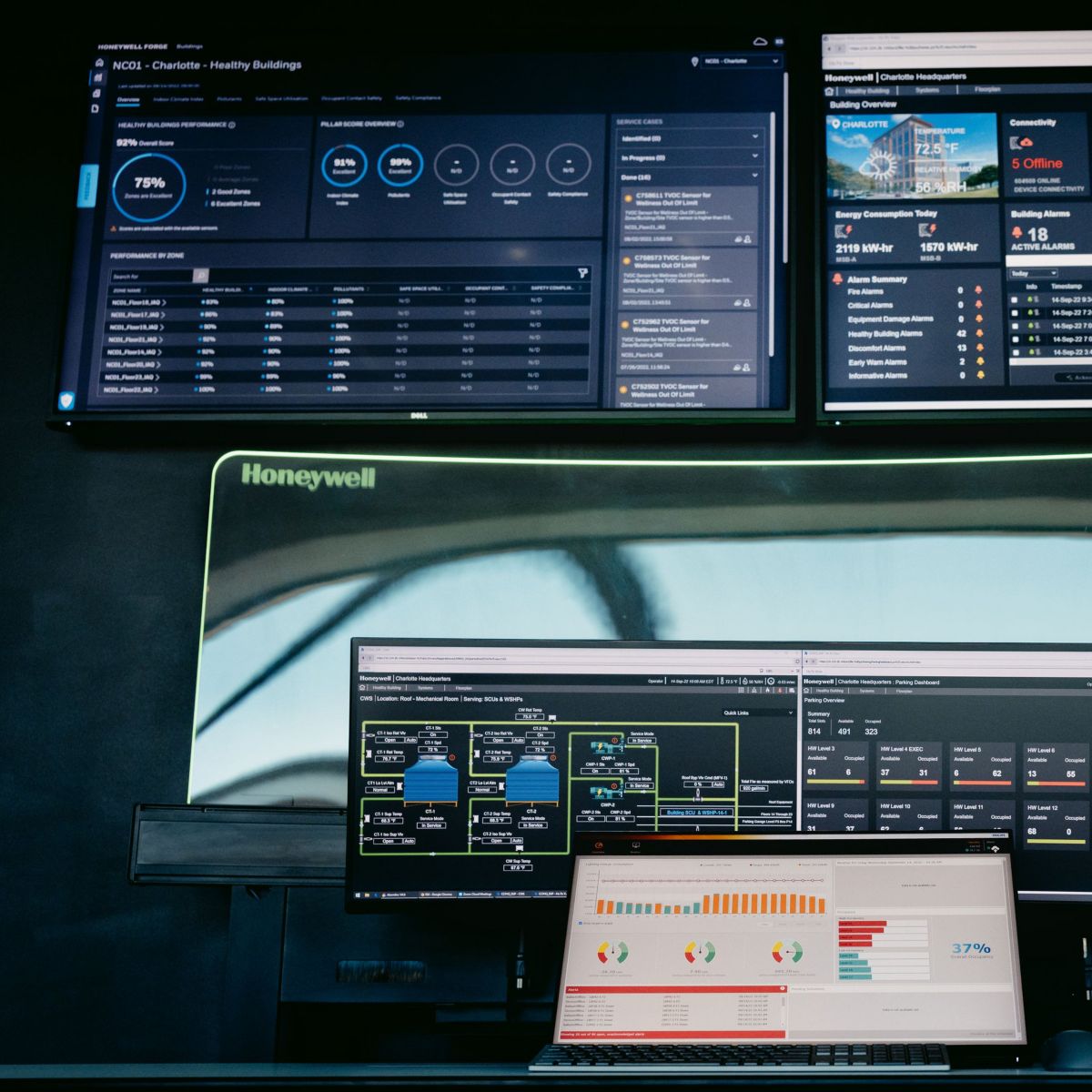
Multiple screens display real-time data analytics and performance metrics for a smart building management system.

E-Mon energy monitoring and submetering

E-Mon Class 6000 meters are designed to provide revenue-grade accuracy and are certified to meet ANSI C12.20 Class 0.5 standards. Dedicated crypto chips and lockable enclosures are designed to help protect against unauthorized access.

  • ANSI C12.20 Class 0.5 certified accuracy
  • Crypto chips and lockable enclosures
  • Smart wiring-check for installation verification
  • Current sensors from 25-5000 amp at 333mV operation
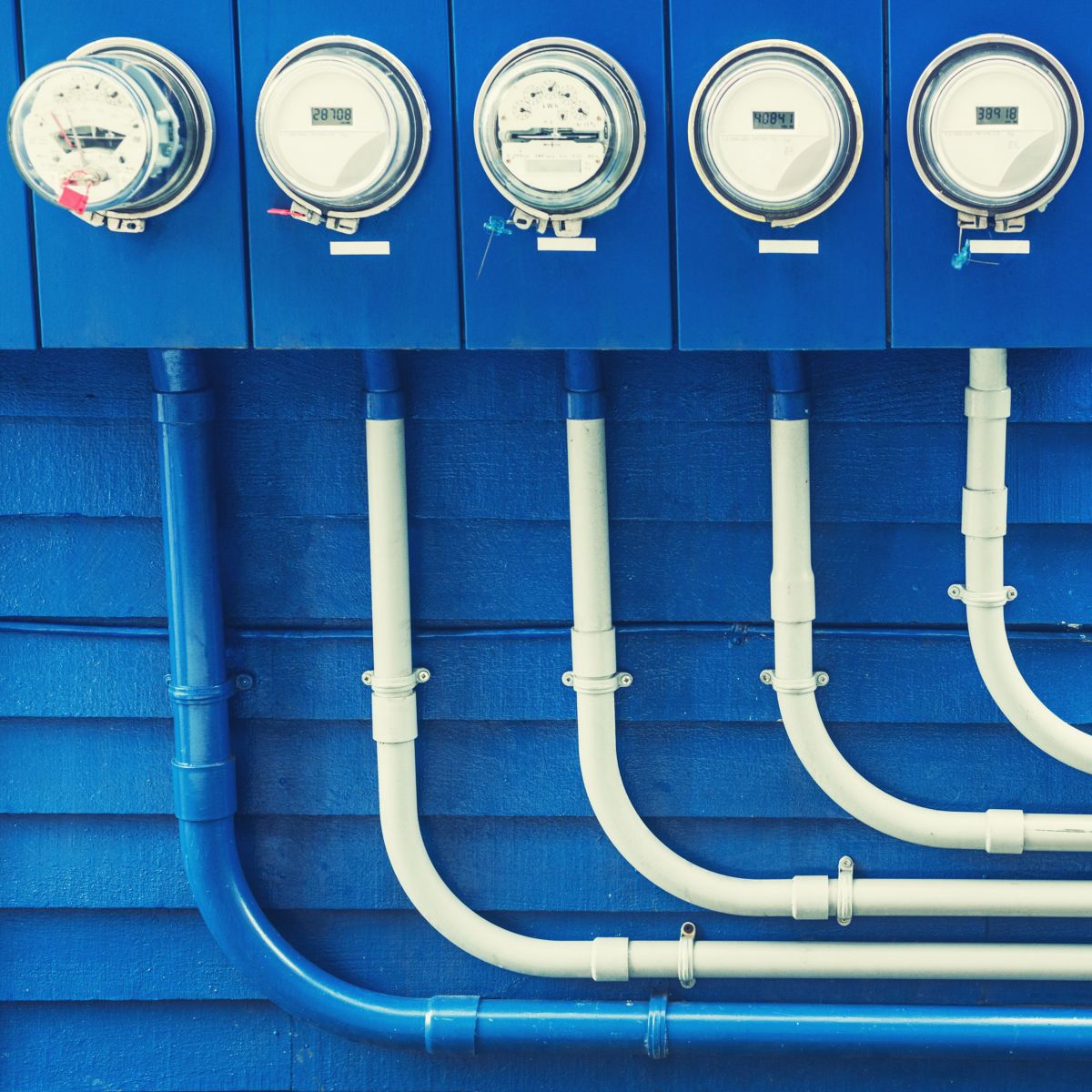
A row of electric meters mounted on a vibrant blue wall with neatly routed conduits.

Early detection of flow restrictions and mechanical issues

Integrated smart building sensors can help detect performance degradation that may lead to system issues. Early identification supports proactive maintenance and can help reduce unplanned downtime.

  •  Flow sensors detect restrictions and clogged filters
  • Electric sensors indicate motor wear and degradation
  •  Monitors abnormal vibration and temperature patterns
  • Tracks pump and fan performance decline
A focused professional uses a multimeter to test circuitry on an open control panel in a technical laboratory environment.

Interactive & Guided Tools

Explore Sensors That Fit Your Application

Our Global Facility Designer (GFD) tool helps building professionals explore sensing solutions for specific applications. This interactive resource can help you identify appropriate sensor technologies based on your monitoring requirements and equipment types. Access the guided selection tool to explore flow and electrical sensing options for your facility.

Frequently Asked Questions About Smart Building Sensors

Flow and electrical sensors connect to building controllers through BACnet, Modbus and analog outputs. This enables facility managers to access sensor data via centralized automation platforms and energy management systems. Integration supports automated alarms, data logging for trend analysis and control sequences based on sensor inputs. Operations teams can monitor multiple sensor points simultaneously and implement facility management strategies using near real-time data.

Current sensors monitor electrical behavior in motors and equipment to help identify performance degradation patterns. Abnormal current draw can indicate bearing wear, winding damage, or mechanical binding. Monitoring current signatures supports scheduled maintenance based on actual equipment condition rather than fixed intervals. Integration with building automation systems supports automated alerts and trend analysis for maintenance planning.

Flow and electrical sensors monitor systems such as HVAC air handlers, chilled water loops, electrical distribution panels, motor control centers and battery systems. Applications include:


  • Filter monitoring in air handling units
  • Pump performance verification
  • Building health monitoring
  • Circuit-level power tracking


Differential pressure sensors indicate flow conditions and filter loading, while current sensors monitor electrical behavior and equipment performance.

Ready to unlock greater operational visibility?

Connect with our team to help assess your monitoring needs and explore sensor solutions.