





Networking

Upgrade your building OT networking

Modernize operations with networking solutions such as T1L Ethernet over twisted-pair wire or wireless mesh networks.

A low-angle shot of a contemporary building featuring repetitive glass panels, a clean white roof line, and an integrated elevated walkway under a clear sky.
A symmetric, low-angle shot of a minimalist glass skyscraper rising against a clear, solid blue sky.

Modernize operations with networking solutions such as T1L Ethernet over twisted-pair wire or wireless mesh networks.

High-Speed, Cost-Effective Connectivity For Building Automation 

Modern building operations depend on reliable data networks that connect sensors, controllers and management systems. Our networking technology is designed to enable modern IP communication across your facility infrastructure, even with many types of legacy wiring.

Integrate building operational systems that previously operated in isolation using standardized protocols and open architectures. A converged approach to building operational technology (OT) networking simplifies management while providing the foundation for advanced analytics and automation.

Modern building network technology delivers the connectivity you need without the complexity and expense of wholesale infrastructure replacement.

A technician connects a teal ethernet cable into a high-density server rack within a data center environment.

Enable IP communication over existing cabling

10BASE-T1L Ethernet delivers IP communication over single-pair twisted wiring at 10 Mbps across distances up to 1 kilometer. This IEEE 802.3 standard works with existing OT networking cable infrastructure.Single-pair operation reduces cabling complexity.

  • 1 km reach covers large facility footprints
  • Direct IP addressing for field devices
  • Compatible with existing twisted-pair infrastructure
People walk along the High Line park in New York City, framed by Zaha Hadid's modern curves and traditional brick architecture under a clear blue sky.

Connect disparate building operations

Unified IP networking establishes a common infrastructure across previously isolated building systems. Building management systems (BMS), fire safety, security, access control and elevators use standardized IT protocols.

  • Single network replaces multiple disjointed systems
  • Direct IP addressing for sensors and controllers
  • Supports coordinated system responses across platforms
A low-angle architectural shot of the Los Angeles Police Department headquarters, emphasizing its modern glass-and-stone facade against a clear blue sky.

Integrate building infrastructure with greater flexibility

10BASE-T1L Ethernet delivers IP communication over single-pair twisted wiring at 10 Mbps across distances up to 1 kilometer. This IEEE 802.3 standard works with existing OT networking cable infrastructure.

  • Single-pair operation reduces cabling complexity
  • 1 km reach covers large facility footprints
  • Direct IP addressing for field devices
  • Compatible with existing twisted-pair infrastructure
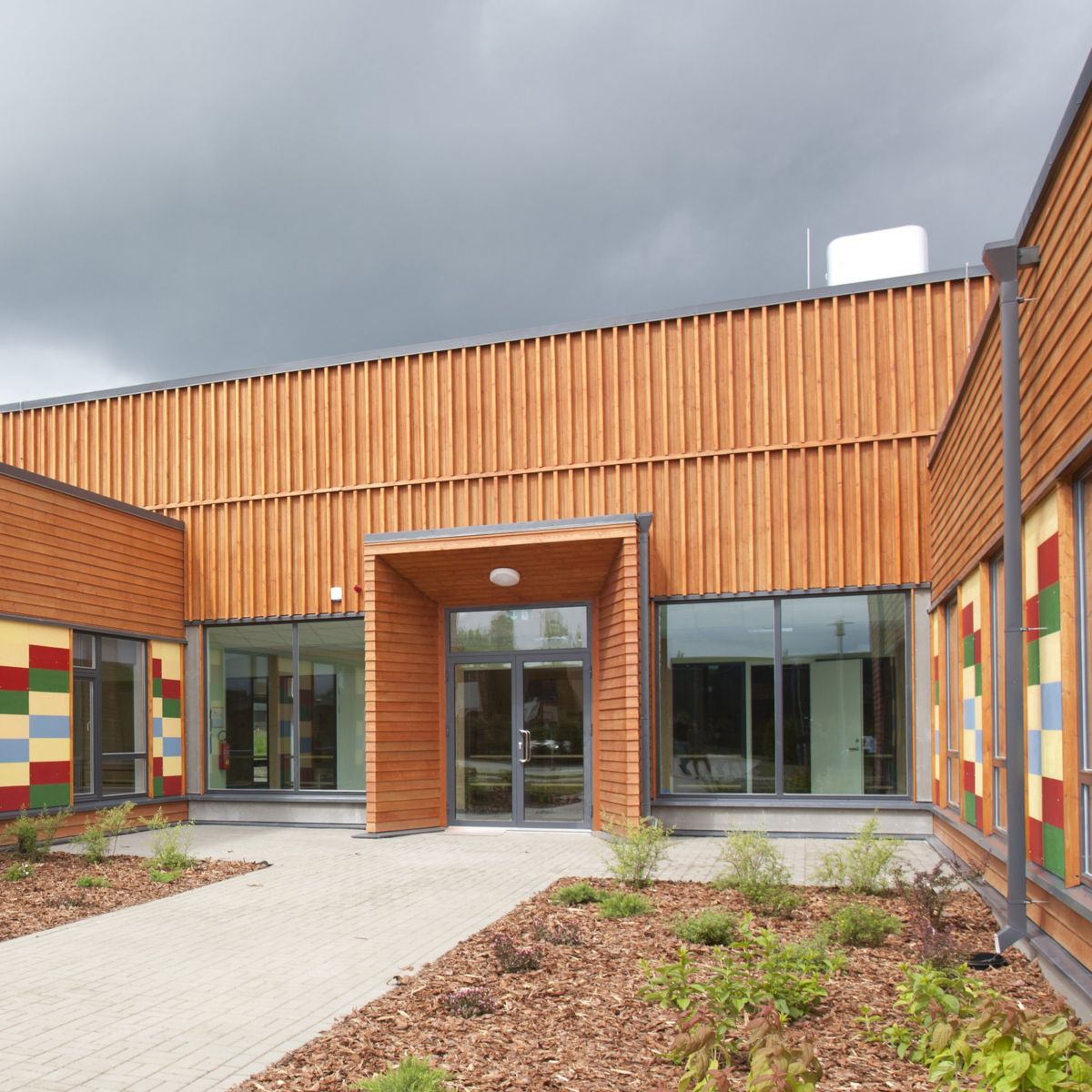
A low-angle shot of a modern architectural facility featuring vertical wood cladding and vibrant, multi-colored accents around large windows.

Reduce upgrade costs through infrastructure reuse

T1L Ethernet and wireless mesh technologies can help reduce network modernization costs by reducing or helping to avoid the high costs and disruptions of new cabling. 

  • Retrofit-compatible with existing infrastructure
  •  Helps avoid cable pulling through walls, ceilings or conduit
  • Can reduce labor and installation timelines
  • Can lower operational disruption during deployment
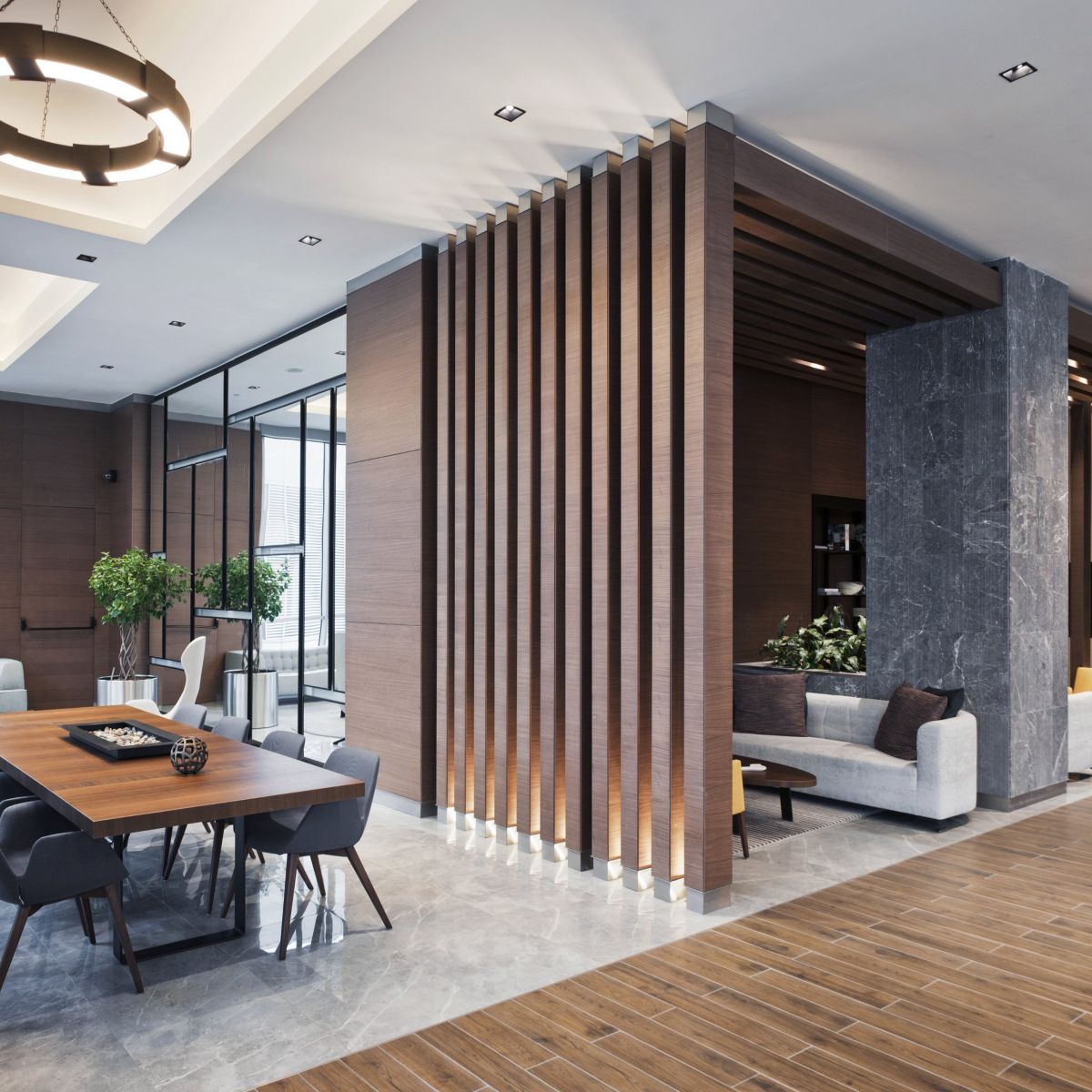
A sophisticated open-plan office lounge featuring wood-slat partitions, marble flooring, and elegant contemporary furnishings for collaborative work.

Build self-healing connectivity for hotels

INNCOM Deep Mesh Network uses ZigBee (IEEE 802.15.4) to create self-forming wireless infrastructure for hospitality operations. One edge router supports up to 250 rooms, helping to minimize new cabling requirements.

  • Self-healing architecture designed for automatic rerouting
  •  Multi-vendor integration with HTNG protocol
  • Network embedded in field devices
  • Near-real-time device data monitoring
  • 1 km range


    T1L Ethernet enables IP communication over distances up to one kilometer using twisted-pair cabling, covering large facilities and designed to operate without signal repeaters or additional infrastructure under standard conditions.1

  • 10 Mbps networking speed


    10BASE-T1L Ethernet supports data transfer at 10 Mbps over existing wiring, providing sufficient bandwidth for building automation, sensor networks and control system communication.2

  • 30 billion IoT devices


    In a 2023 global market forecast, research firm IoT Analytics estimates nearly 30 billion connected IoT devices by 2027, as costs drop and supply constraints ease.2

Frequently Asked Questions About Building OT Networks

T1L Ethernet (10BASE-T1L) enables IP communication over single-pair twisted wiring at 10 Mbps across distances up to 1 kilometer. Unlike traditional Ethernet requiring multiple wire pairs, T1L uses one pair, compatible with existing building cabling.


This can help eliminate the need to pull new cables through walls and conduit, helping to reduce installation costs and operational disruption. T1L supports direct IP addressing for sensors and controllers. The IEEE 802.3 standard promotes vendor interoperability.

Unified IP networks connect BMS, fire safety, security, access control, elevators and lighting through standardized protocols. This can enable data sharing and coordinated responses. For example, when properly configured, a fire alarm may automatically trigger access control releases and elevator recalls.


Direct IP addressing simplifies device connectivity. Open protocols support multi -vendor environments, allowing phased integration with existing systems.

Wireless mesh networks using ZigBee technology provide connectivity where cabling is impractical. The self-forming architecture automatically establishes device connections. If a device goes offline, the system is designed to reroute through alternate paths to help maintain network integrity.


Wireless mesh technology complements T1L Ethernet infrastructure in hard-to-wire areas. Network capability embeds directly in thermostats and field devices, eliminating separate hardware. Multi-vendor integration through HTNG protocol prevents vendor lock-in.

Ready to modernize your building network?

Connect with networking specialists to evaluate modernization options for your facility.