
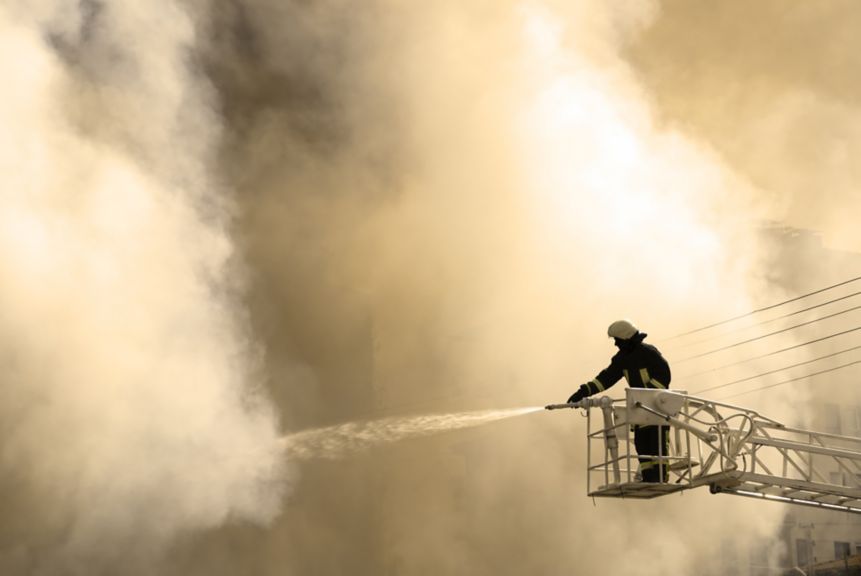
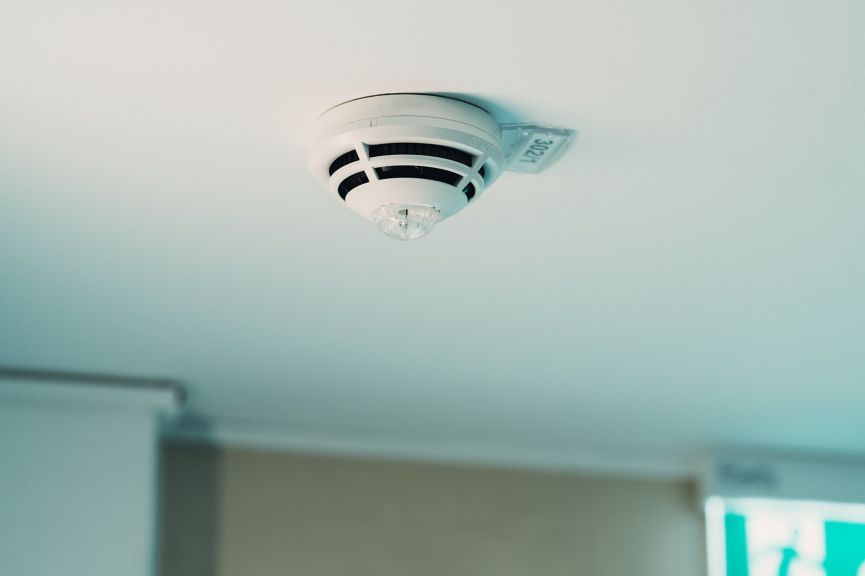
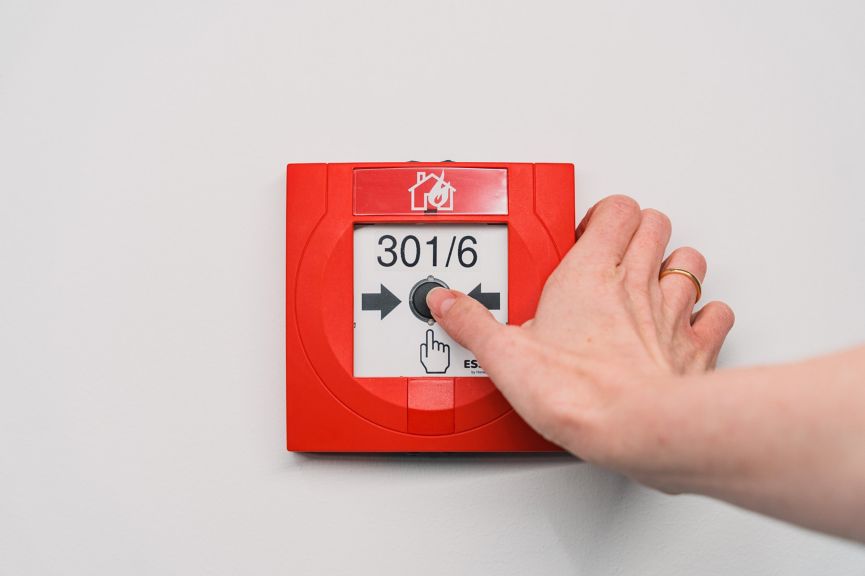
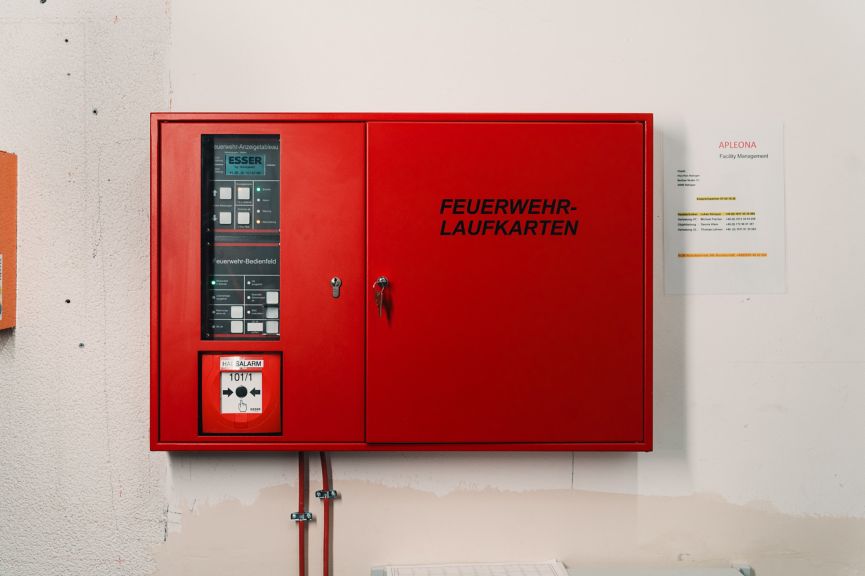
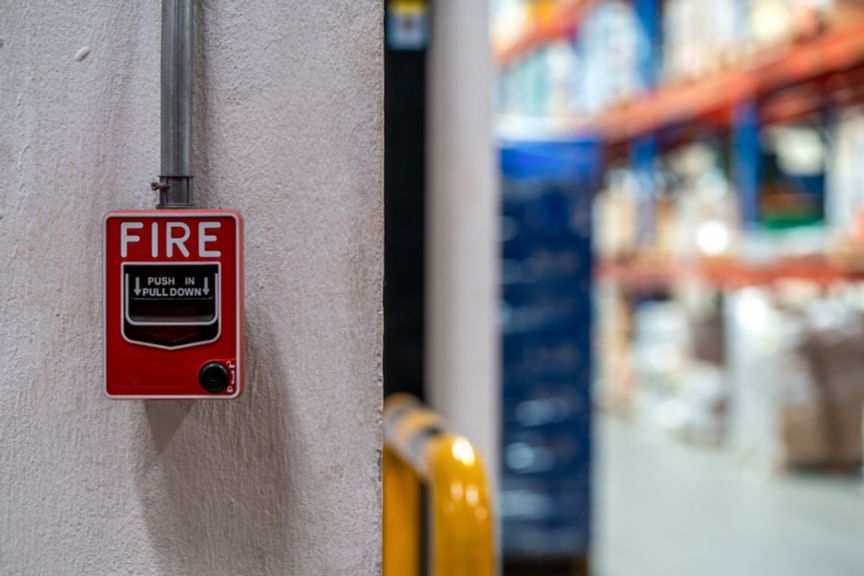
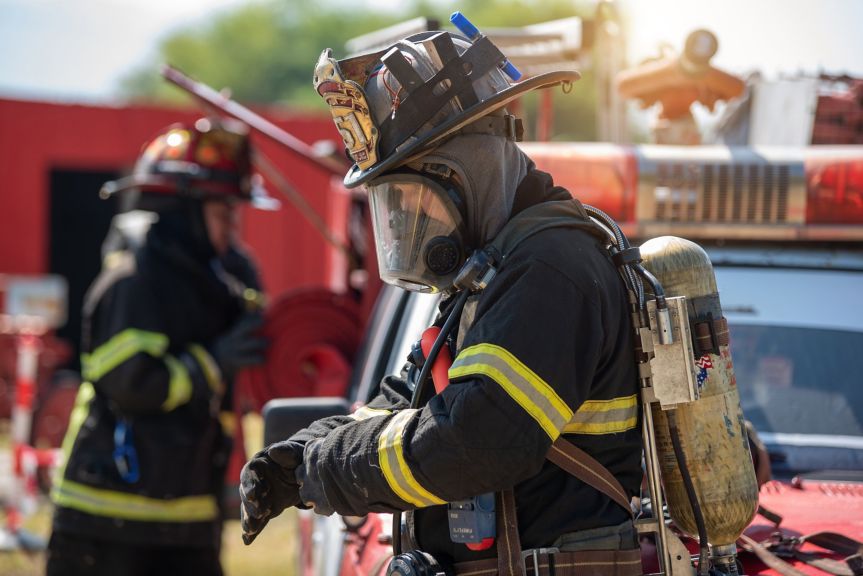
Advanced detection systems can detect fires at very early stages through the use of aspirating smoke detection and sensors. The solutions are configured to allow varying levels of mitigation and containment actions to be deployed.
Fire Life Safety
Advanced fire life safety for advanced protection
Advanced, integrated fire detection, alarm and emergency communication technologies to protect personnel and assets.


Advanced, integrated fire detection, alarm and emergency communication technologies to protect personnel and assets.
Fire And Life Safety Systems Help Protect Your Entire Operation
When it comes to safety, large-scale facilities face the dual challenges of advanced protection and ever-changing compliance requirements. Honeywell's fire and life safety systems can help organizations detect, manage and respond to critical events through connected technologies designed for both code compliance and operational resilience. When integrated throughout a facility, our commercial fire safety systems can provide situational awareness, faster response times and safer outcomes for commercial and industrial environments.
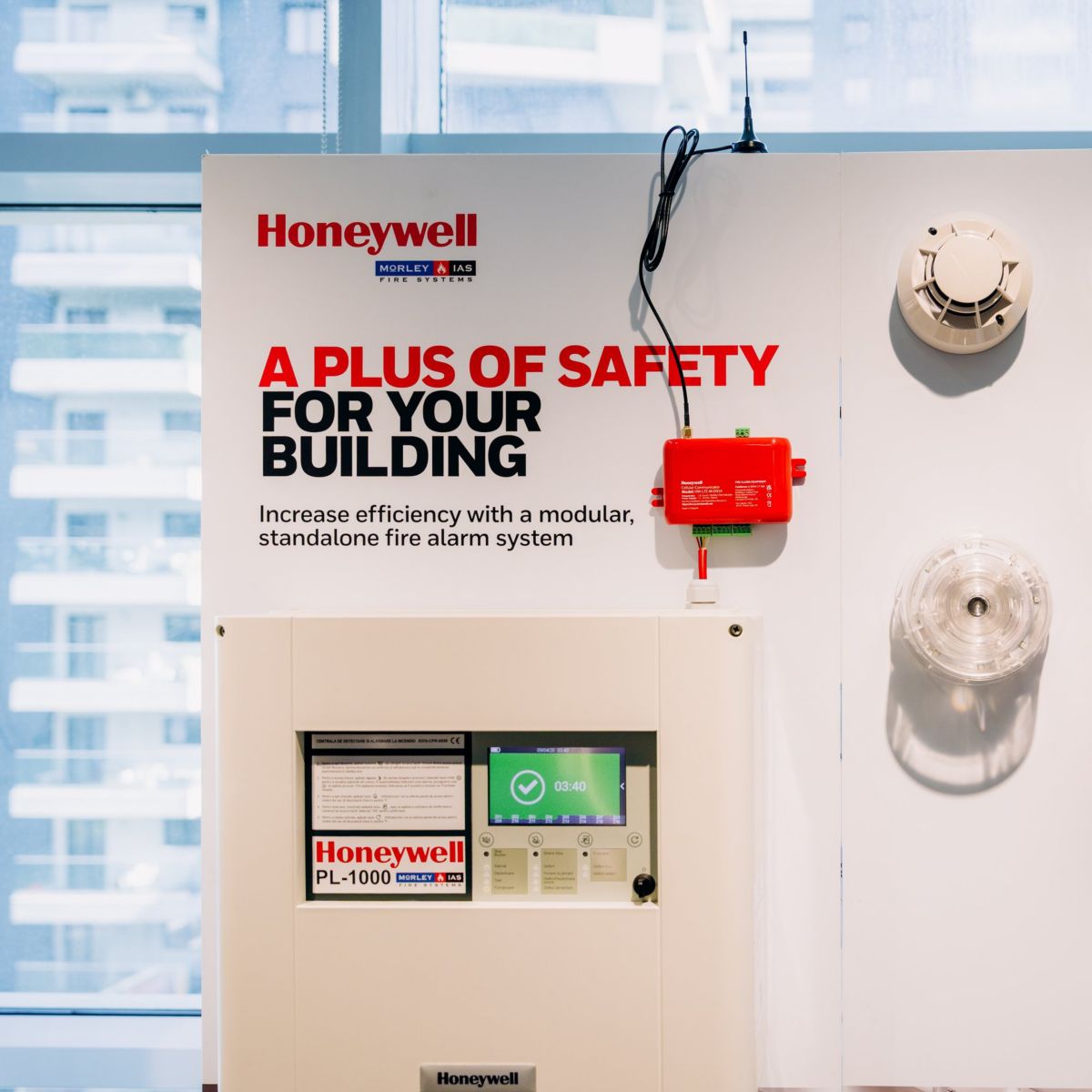
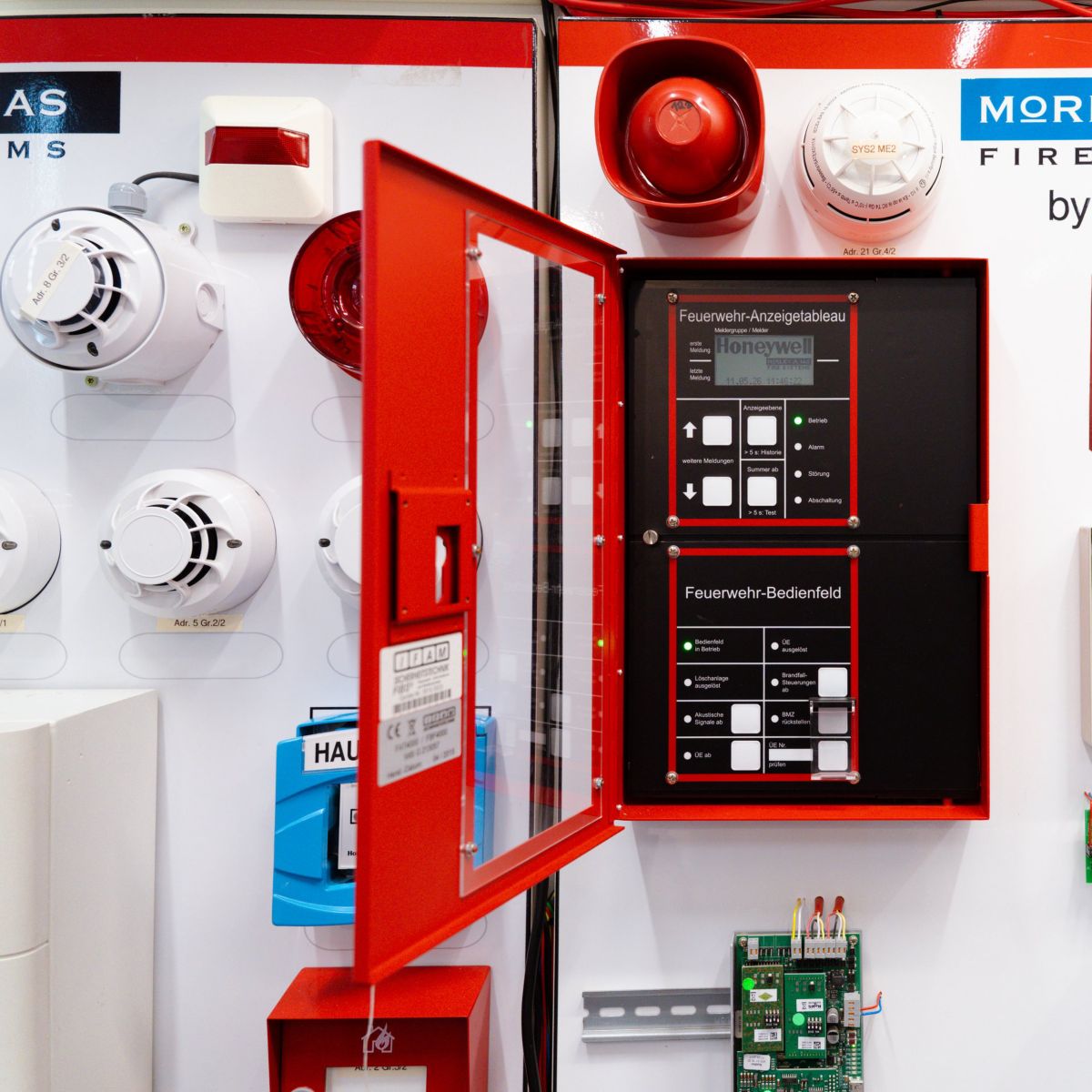

Related Solutions
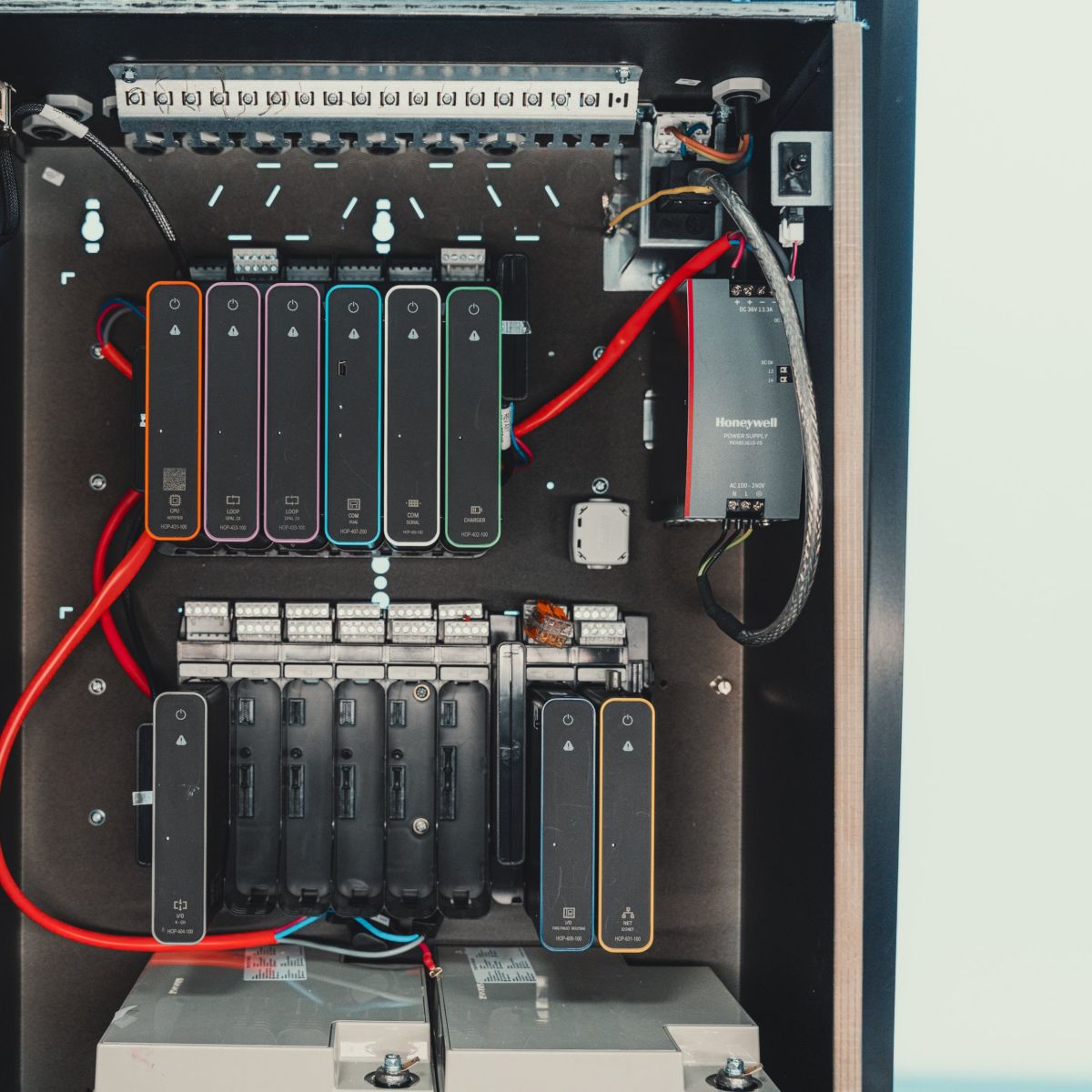
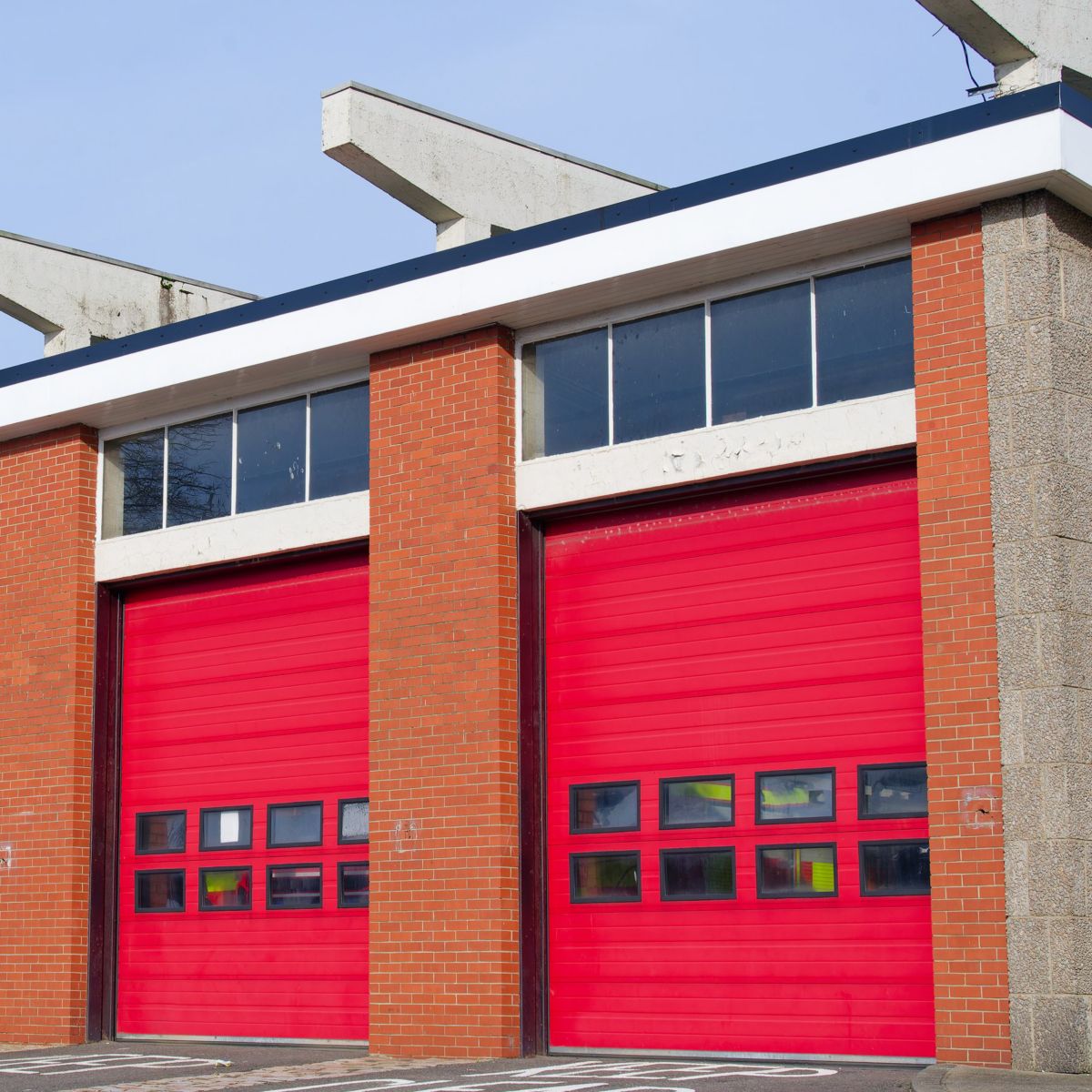
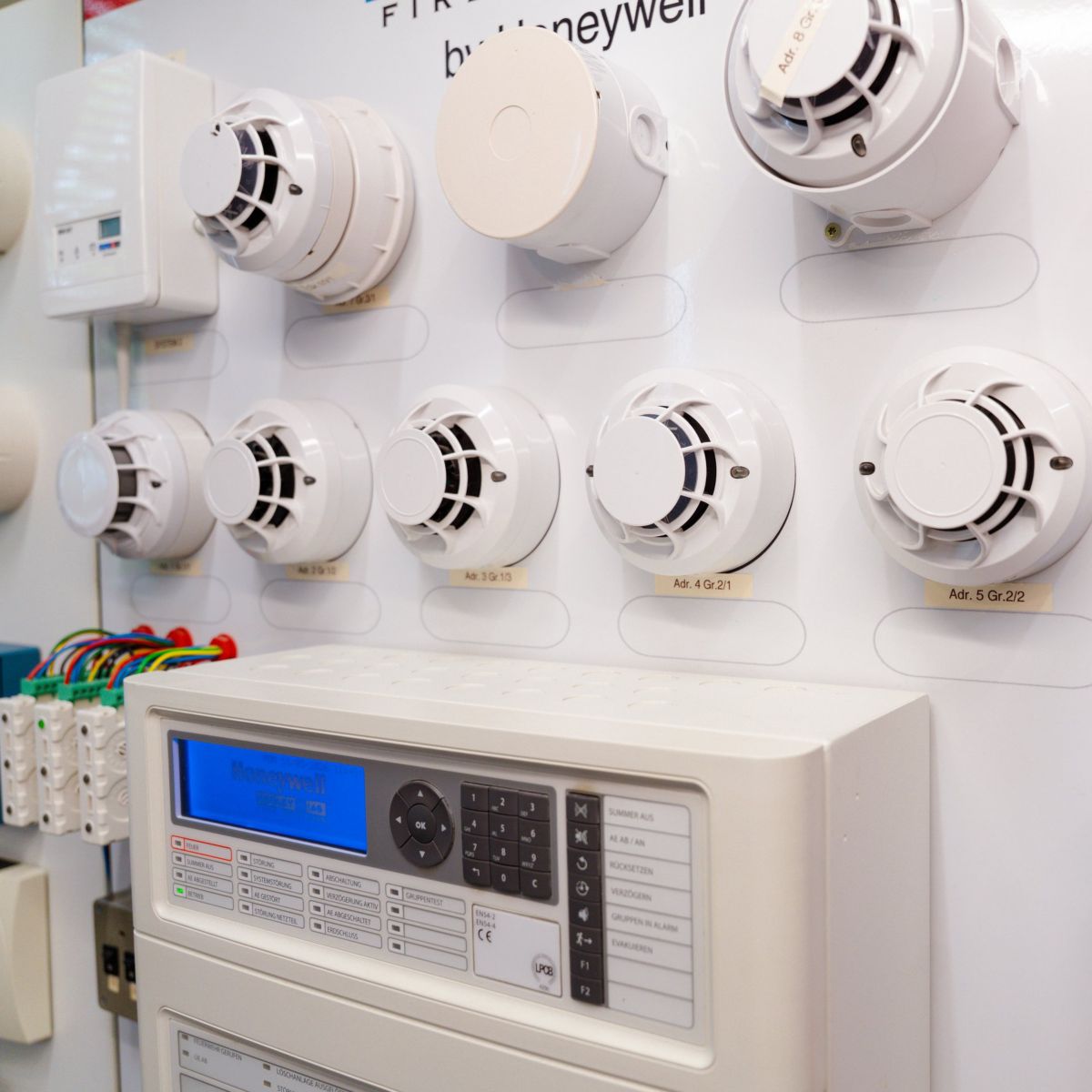
Honeywell's fire life safety portfolio extends across advanced detection, notification, control, emergency communication and station alerting and dispatch—an end-to-end integrated alarm journey.
Frequently Asked Questions About Fire Life Safety Systems
MNS platforms can provide a multi-faceted approach to notify occupants and personnel of any type of emergency or non-emergency event in near real-time. They integrate with our fire alarm control panels and building management systems to deliver coordinated messaging through multiple channels including speakers, strobes, text displays and digital signage. In commercial fire safety systems, an MNS helps organizations meet code requirements for emergency communication while supporting broader safety and operational communication needs beyond fire events.
Fire life safety compliance requires operators to meet applicable codes and standards while maintaining systems throughout their lifecycle. NFPA 72 requires annual smoke detection inspection and testing, along with documentation of system performance. Organizations must document compliance through inspection reports that demonstrate system functionality.
Connected Life Safety Services (CLSS) can help streamline this process through remote diagnostics, automated test scheduling and digital compliance reporting. Key considerations include detector accessibility for testing, backup battery capacity verification, communication path testing for alarm transmission and coordination with authorities having jurisdiction (AHJ). Systems should be designed with testing requirements in mind to help reduce inspection costs and downtime.
Footnotes:
1 https://buildings.honeywell.com/us/en/products/by-category/fire-life-safety/sensors-and-detectors/aspirating-smoke-detection/aspirating-smoke-detector/vesda-vli-880-smoke-detector
2 https://buildings.honeywell.com/content/dam/hbtbt/en/documents/downloads/li-ion-tamer/hon-ba-nexceris-2021-test-summary-report.pdf
3 https://buildings.honeywell.com/us/en/brands/our-brands/notifier
4 https://buildings.honeywell.com/us/en/brands/our-brands/usdd