Retail building automation drives cost savings

Automation and retail energy management solutions can help reduce HVAC, refrigeration and lighting costs.

A woman in a yellow sweater shops for fresh vegetables in a brightly lit, well-stocked grocery store aisle.
Illuminated modern office complex courtyard featuring layered terraced levels and contemporary retail spaces at dusk.

Automation and retail energy management solutions can help reduce HVAC, refrigeration and lighting costs.

Scalable Retail Building Automation Across Your Portfolio

Every store in your portfolio is different, but they all need to control costs while maintaining comfort. Our automation and retail energy management solutions adapt to each location's unique requirements, providing centralized control and reporting across your entire operation. From HVAC building automation to refrigeration monitoring and lighting optimization, we can help you build a retail environment that costs less to run.


A focused woman in a knit sweater tests lipstick shade on her hand while shopping in a bright, modern cosmetics store.

More efficient, adaptive HVAC control

Customer expectations for comfort haven't changed, but their shopping patterns have. Our HVAC building automation systems use occupancy sensors and near real-time data to automatically adjust heating and cooling in response to actual store traffic. This efficient, dynamic approach helps you cut HVAC costs while keeping shoppers comfortable.


A woman with a shoulder bag stands before a well-stocked grocery store refrigerator shelf, carefully selecting dairy products.

Refrigeration efficiency for grocery and convenience stores

For grocery retailers, refrigeration can consume up to 50% of total energy costs. Our refrigerant-agnostic retail energy management systems continuously monitor refrigeration equipment across all your locations to help prevent food spoilage and reduce energy waste, while helping to extend equipment life and reduce carbon emissions.


  • Automated refrigeration controls reduce energy use without compromising food safety
  • Hardware-agnostic integration allows you to use the best equipment for your store
  • Predictive maintenance helps prevent costly equipment failures
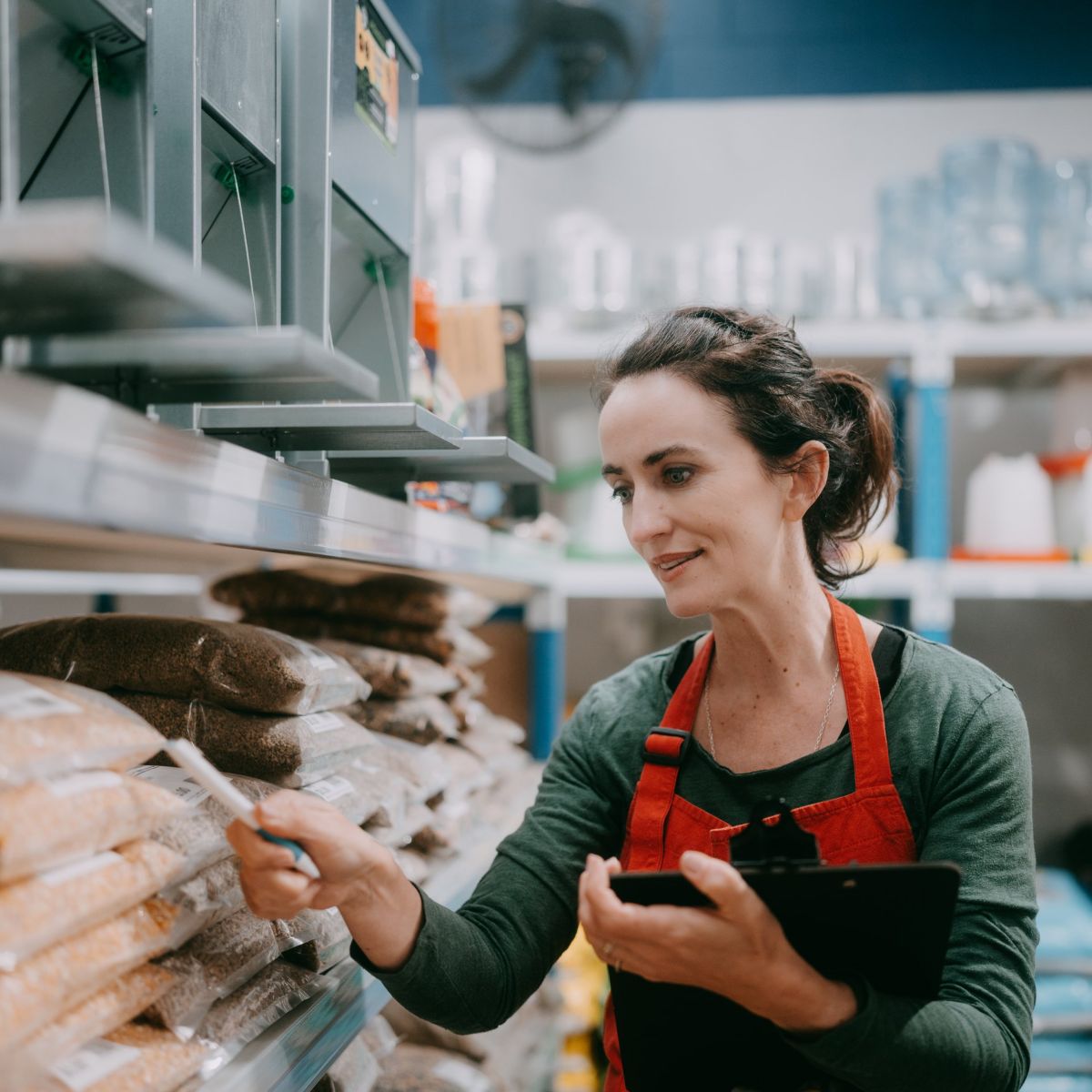
A store associate in a red apron conducts an inventory check of bagged goods in a retail warehouse setting.

Improved safety and security in-store

For retail, inventory is everything. Our tailored, scalable, integrated security solutions make it easier to protect your bottom line against theft and other threats, while healthy building automation helps protect employees and customers.


  • Automated access controls give managers more control
  • Video security technology gives a coordinated view across your operation
  • Air quality and fire prevention systems protect the people in your store
  • 85% AI adoption1


    The vast majority of retailers are using AI to improve their operations.

  • 60% AI expansion1


    More than half of retailers worldwide have AI solutions in place and plan to expand them.

  • $9.5 billion saved1


    Honeywell technology and services have saved billions of dollars in operational and energy costs worldwide.

Frequently Asked Questions About Retail Building Automation

Refrigeration is a sensitive challenge because any failure can mean product loss and food safety violations. Retail building automation monitors refrigeration systems at the equipment level, site level, and across your entire portfolio. Detailed analytics help maintain temperature compliance and reduce loss through equipment failure thanks to predictive maintenance. Better visibility allows you to address problems immediately and make data-driven decisions about maintenance and replacement priorities.

Effectively managing energy in retail stores can improve visibility, control and expertise, enabling you to implement effective sustainability strategies. An integrated platform gives you the data to track emissions reduction goals, document energy savings across your portfolio and identify the highest-impact opportunities for improvement. Rather than guessing at where to invest in efficiency, you can see exactly which locations, which systems and which hours of operation offer the greatest potential for measurable results.

Reduce costs, improve customer comfort and better protect employees