Process Licensing

Powering the future of energy and industry

Deploy proven Honeywell process technologies that are designed to improve asset performance, manage risk and support energy security objectives.

A welder in protective gear focuses on a metal joint, creating bright sparks and smoke in a dark industrial workshop.
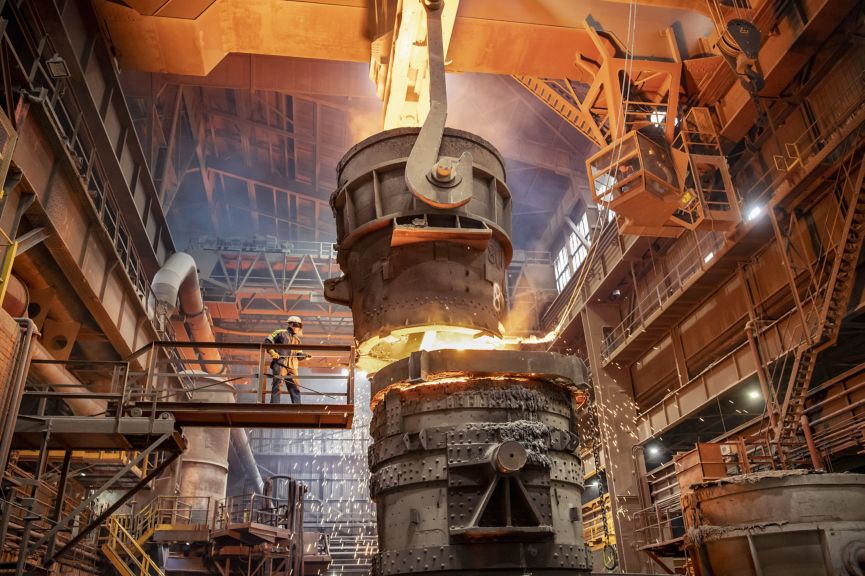
An industrial worker oversees the pouring of molten metal from a crane-suspended ladle into a secondary container at a steel manufacturing plant.

Deploy proven Honeywell process technologies that are designed to improve asset performance, manage risk and support energy security objectives.

Process Licensing Technologies Built to Support Long-Term Operational Performance

Process technology decisions shape plant economics, operational reliability and emissions performance for decades.

Honeywell licensed technologies and services are supported by extensive engineering expertise, connected digital platforms and domain knowledge developed across thousands of installations worldwide. Honeywell licensed support can help customers manage project and operational risk, support yield improvement, improve energy efficiency (where supported by applicable technology and adapt operations) for:

  • Refining, petrochemicals and chemicals
  • Gas processing and LNG
  • Renewable fuels, hydrogen and low‑carbon pathways
  • Industrial automation and controls

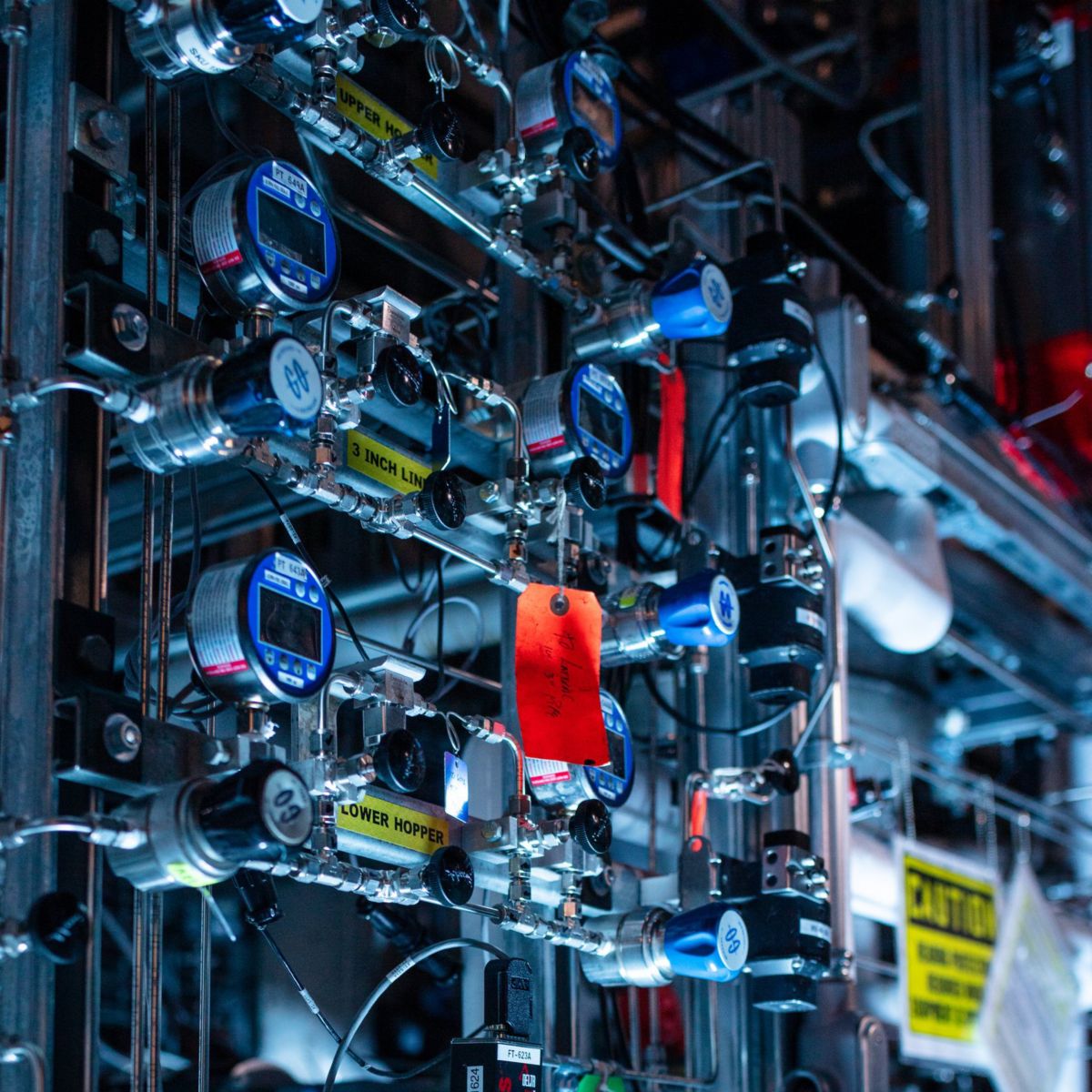
A detailed vertical shot of an industrial piping assembly featuring numerous pressure gauges, flow controllers, and valve labels in a technical facility.

Integrated energy management

By connecting licensed process technologies with Honeywell automation, controls and digital capabilities, organizations can manage energy across diverse systems and assets.

This integrated approach can provide visibility across energy production, conversion, storage and use, enabling operators to coordinate supply and demand, help improve performance and adapt as operating and business conditions change. Managing energy across connected systems helps improve efficiency, strengthen reliability and support cost and emissions related objectives across the enterprise.

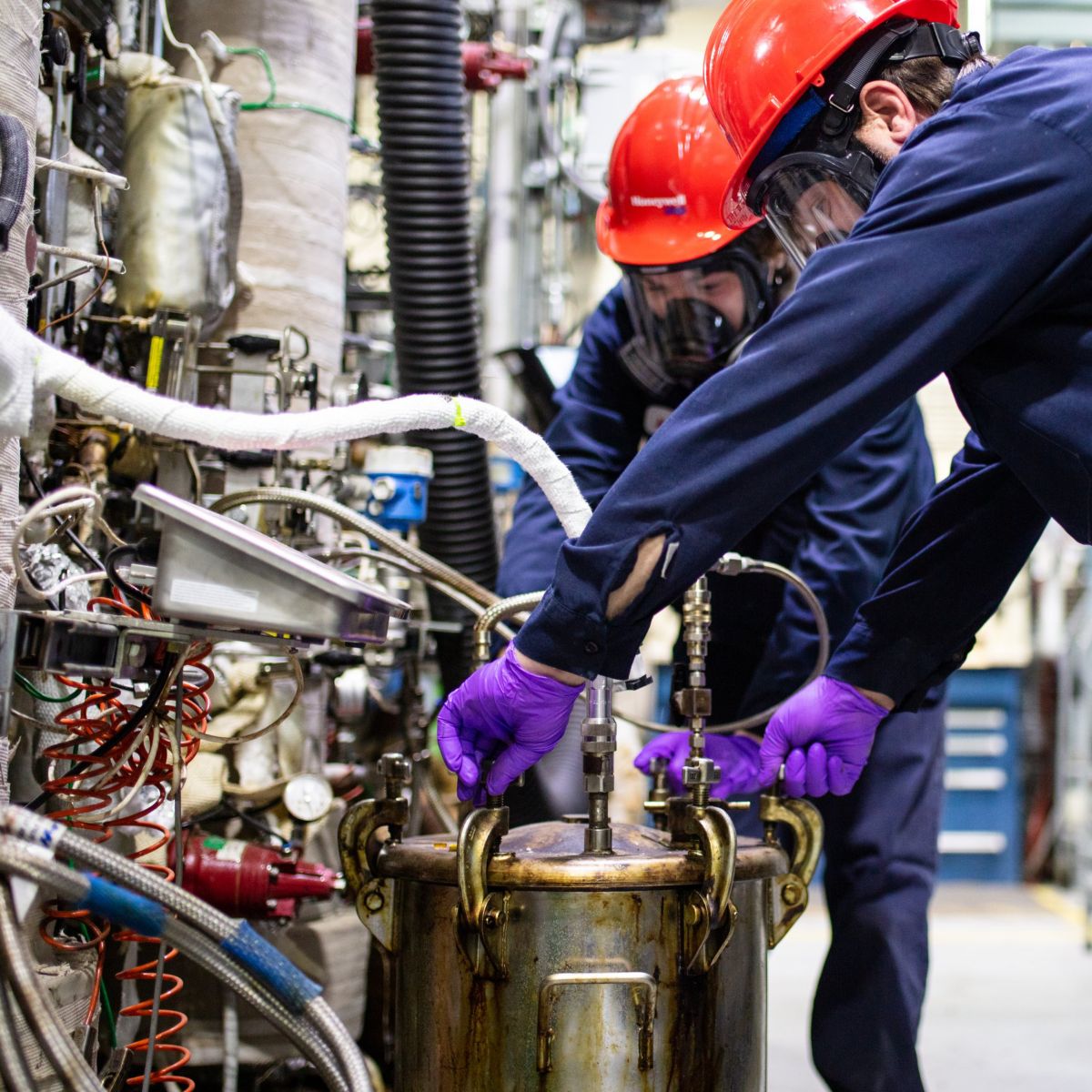
Two technicians in safety gear and purple gloves carefully adjust a pressurized metal vessel within a complex industrial manufacturing facility.

A legacy of innovation applied in real operating environments

For more than a century, Honeywell has helped shape how energy and industrial processes are designed, built and operated around the world. Our process technologies reflect a long history of engineering innovation, refined over decades of development, deployment and continuous improvement in real operating environments.

This foundation gives organizations confidence that Honeywell licensed technologies are grounded in practical operating experience and engineering know-how. By drawing on extensive domain expertise and installed base, Honeywell helps customers assess performance expectations earlier in the project lifecycle, manage technical and execution risk and move forward with clarity.

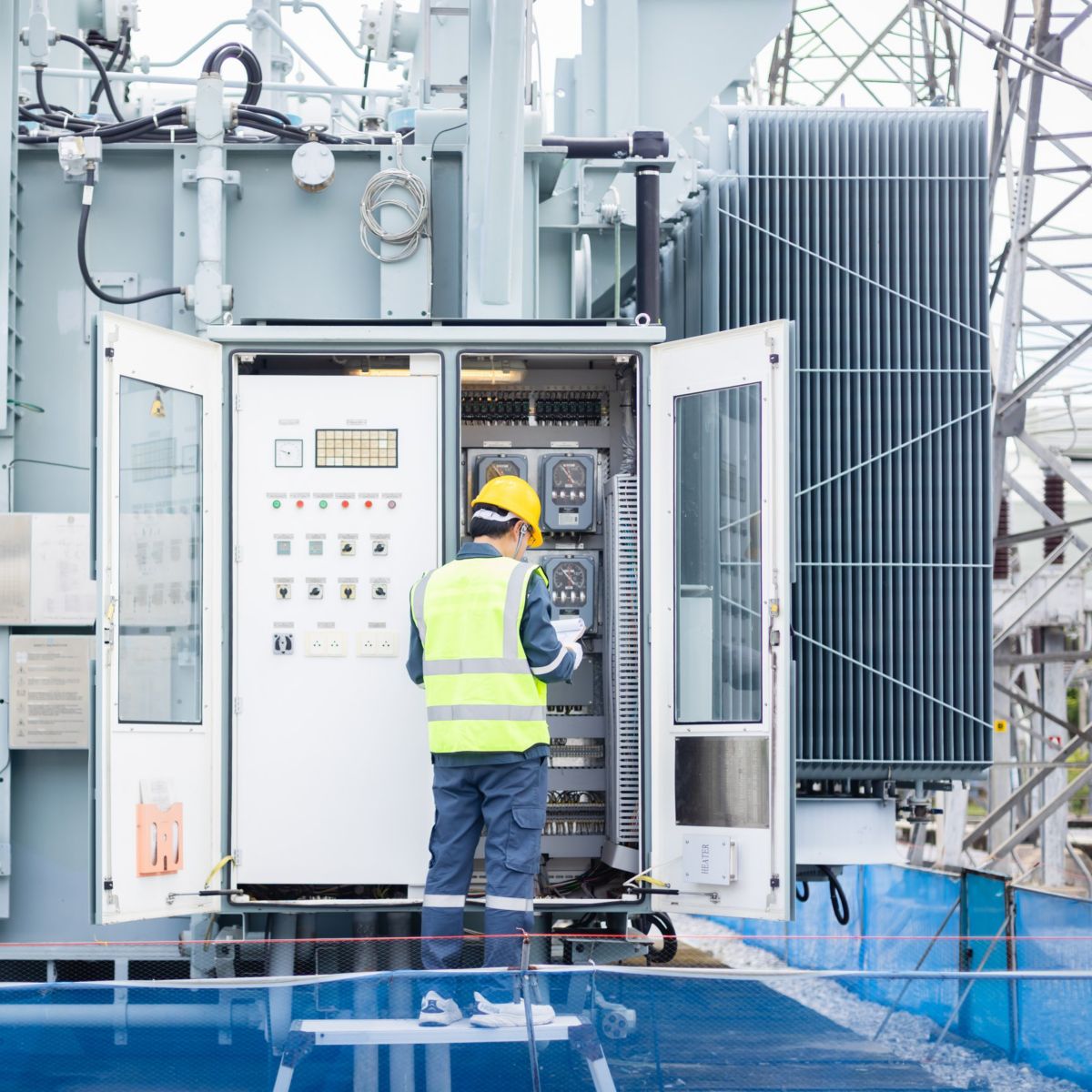
A technician in high-visibility safety gear inspects an industrial power transformer at a substation.

Designed to support predictable project delivery

Licensed process technologies can influence cost, schedule and long-term asset planning. Honeywell supports project executions through single-source project management and process licensing. Honeywell helps project teams execute with clarity by providing:

  • Process design packages and specifications
  • Technical support during FEED, EPC and construction phases
  • Alignment with automation, control and safety systems
  • Pre-engineered modular equipment
An aerial view displays large industrial ventilation units and piping arrays on a flat commercial building rooftop under bright sunlight.

Intelligent optimization across energy and operations

Today’s energy and industrial environments are interconnected and increasingly complex. Honeywell applies automation, controls and digital capabilities across a broad range of energy systems—including conventional and renewable fuels, hydrogen, battery storage, utilities and carbon management—to help organizations operate with greater insight and control.

By combining continuous monitoring with advanced analytics and predictive capabilities, organizations can support performance under changing conditions, identify opportunities to improve energy efficiency and operational stability, and detect potential issues before they impact operations (subject to the applicable technology, configuration and operating conditions). 

An aerial view of wind turbines in a lush green countryside at sunset, highlighting renewable energy infrastructure against a fading evening sky.

Pathways to support emissions-reduction objectives

Help support your transition to lower-carbon energy sources and evaluate CO2 capture options for operations with Honeywell process licensing technologies. Achieving emissions objectives may require more than efficiency improvements. Honeywell offers technologies that can help customers adopt alternative energy sources and address process emissions at their source, including:

  • Hydrogen purification and processing technologies
  • Carbon capture technologies for power and industrial facilities
  • Renewable fuels production technologies
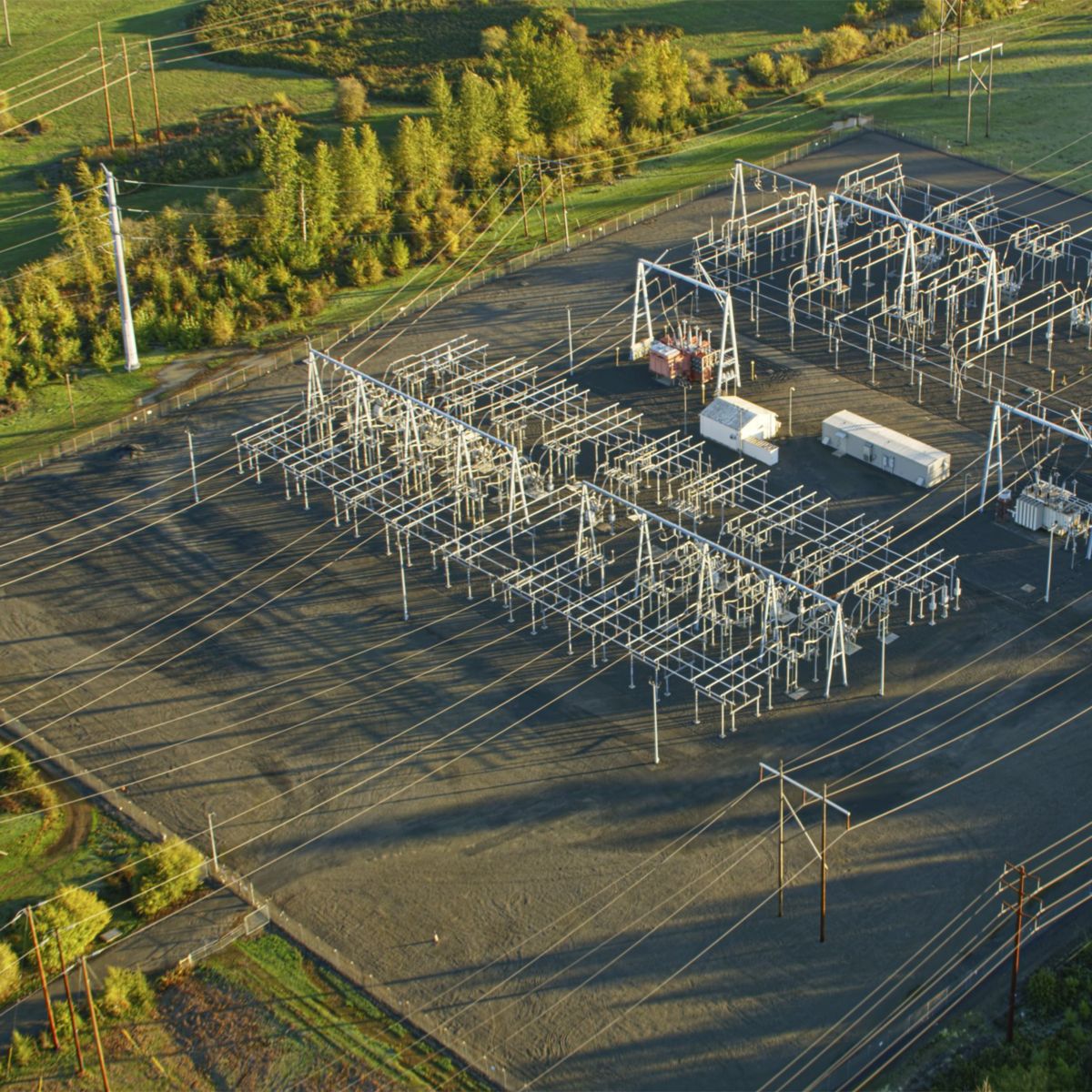
An aerial perspective of an electrical substation featuring metal framework and power lines surrounded by greenery during golden hour.

Interactive & Guided Tools

Explore Our Grid Modernization Guide

Learn how digital platforms and advanced metering infrastructure can bring actionable insights to energy operations. Our downloadable eBook features strategies to optimize asset performance and accelerate grid modernization initiatives.

Frequently Asked Questions About Energy Technologies

Our energy technologies are designed to work with your current equipment and controls. Integration strategies follow a phased approach that helps safeguard your current investments. New controllers can connect to current field instruments and networks often without the need to replace wiring or cabinets. Operators are able to access new capabilities while maintaining the interfaces with which they’re familiar.  
 
Our systems can unite data from generation, storage and distribution assets into one control layer. This approach aims at reducing silos between systems and offers greater visibility across your entire energy infrastructure.

Energy technologies can help reduce emissions through three pathways:


  • Enhance energy use and reduce waste across operations. Digital controls and analytics may help identify inefficiencies as they occur, addressing energy loss before it can significantly impact costs or emissions.
  • Enable integration of renewable energy sources and battery storage. Facilities may be able to shift consumption to match renewable availability and respond to grid conditions dynamically.
  • Support transition to lower-carbon fuels like hydrogen and renewable fuels, plus carbon capture for industrial facilities. These technologies may help address process emissions from hard-to-abate operations including chemical processing, cement production and industrial heating.

Deployment timelines depend on project scope and facility complexity.


A phased brownfield deployment typically spans 6 to 12 months for a medium-size facility. This includes site assessment, detailed engineering, equipment procurement, installation and commissioning. Advanced migration technologies can reduce timelines compared to traditional approaches.


Plants can often maintain operations throughout deployment. The process uses hot cutover capabilities when continuous production is required. This helps minimize disruption and helps protect revenue during the transition.

Upgrade your energy strategy

Connect with our energy technologies team