


Fuel and Air Delivery

Fuel and air delivery for safe thermal operations

Precision fuel and air delivery designed to support safer combustion, improved energy efficiency and more stable thermal

Aerial view of a massive power station facility illuminated at dusk near the coast.
hon-ess-uop-pretreatment-banner.jpeg

Precision fuel and air delivery designed to support safer combustion, improved energy efficiency and more stable thermal

Fuel and Air Delivery Systems Designed to Maintain Safe Operating Conditions

Help achieve reliable fuel and air delivery with integrated systems designed to regulate pressure, temperature and flow across your thermal operations.

Our broad portfolio of valves, regulators, controls and monitoring technologies helps maintain safe operating parameters while supporting stable combustion and improved energy use. From manual shutoff valves to sophisticated electronic control systems, configure the solutions that match your specific combustion requirements. These technologies support reliable thermal systems by helping promote consistent heat output, safety compliance objectives and long-term operational efficiency.

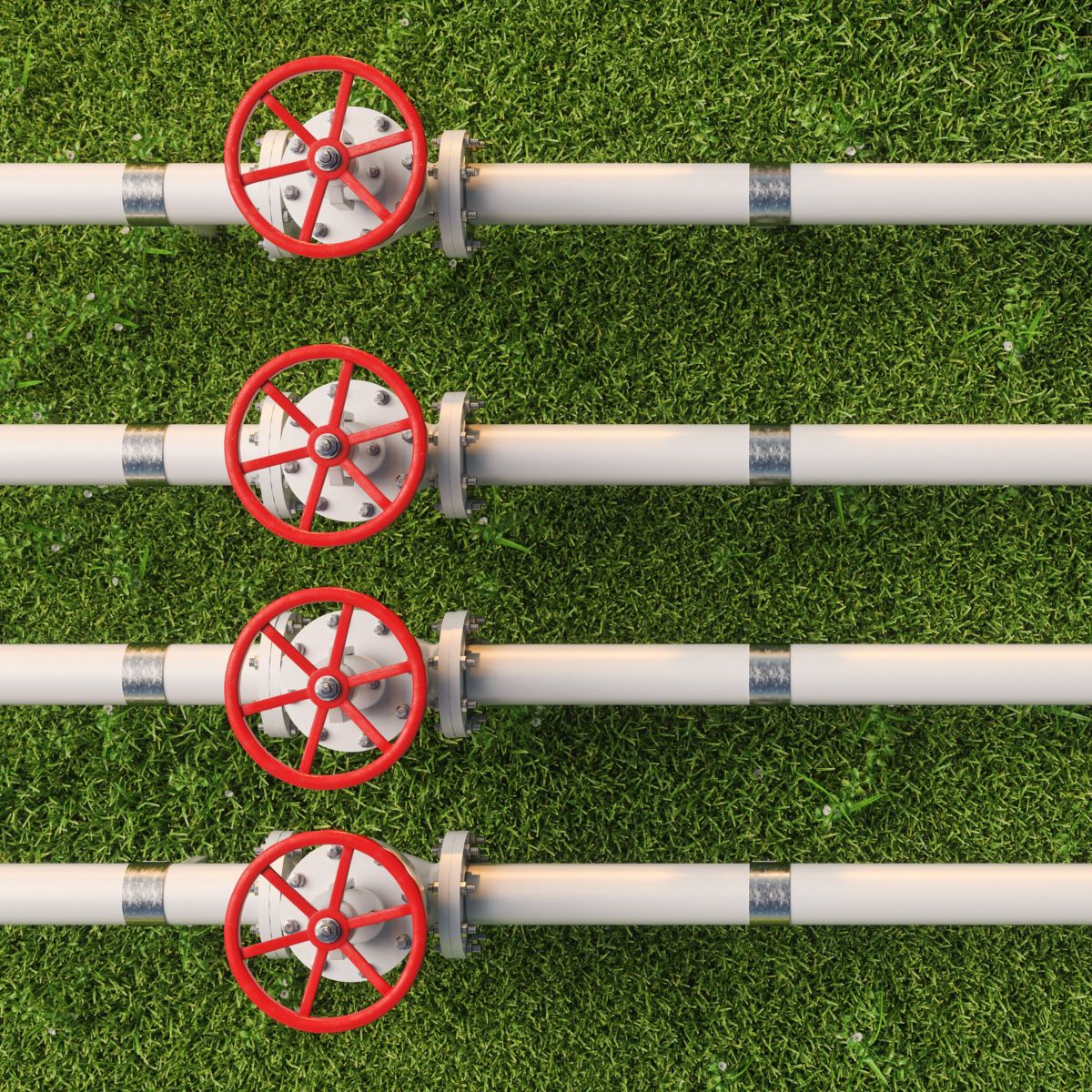
Four parallel white pipelines with red control valves are laid neatly across a vibrant green grassy field.

Pressure Regulation to Maintain Stable Outlet Pressure and Fuel-Air Ratios

Our pressure regulators help stabilize fuel supply conditions, supporting consistent combustion and improved thermal performance across varying load demands. You can benefit from consistent fuel delivery that helps support stable combustion across varying operational conditions. Air-gas ratio controls help you maintain proper fuel-air mixture for efficient combustion.


The valVario valve design combines pressure regulation with solenoid shutoff in a space-saving configuration, helping you achieve more precise ratio control that supports improved burner performance while helping meet emissions targets.

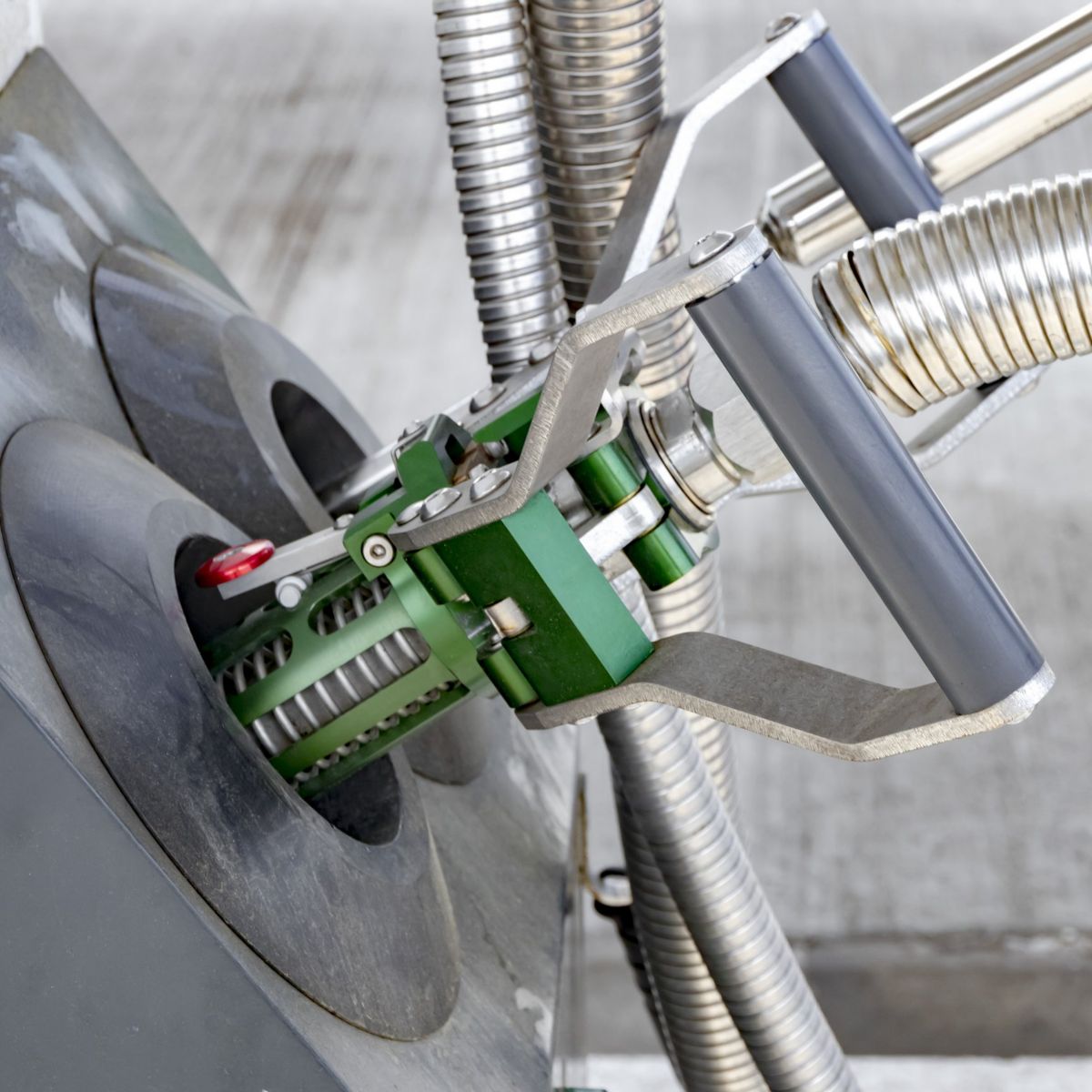
A close-up view of a specialized hydrogen fueling nozzle attached to a pump, highlighting the metal hoses and industrial mechanical design.

Valve Solutions for Manual Control, Automatic Shutoff, and Flow Regulation

Our manual valves provide shutoff capabilities for gas, air and water lines, with options including thermal equipment trip protection.


  • Adjusting cocks are designed to enable precise flow rate adjustment when you need fine control of fuel delivery rates.
  • Automatic shutoff valves include gas and air solenoid, motorized and pneumatic designs for remote operation.
  • Control valves support continuously regulated burner processes where precise modulation is required.
  • Butterfly valves with actuators are designed to handle large volume air and gas flow control in both pre-assembled combinations and field-configured systems.
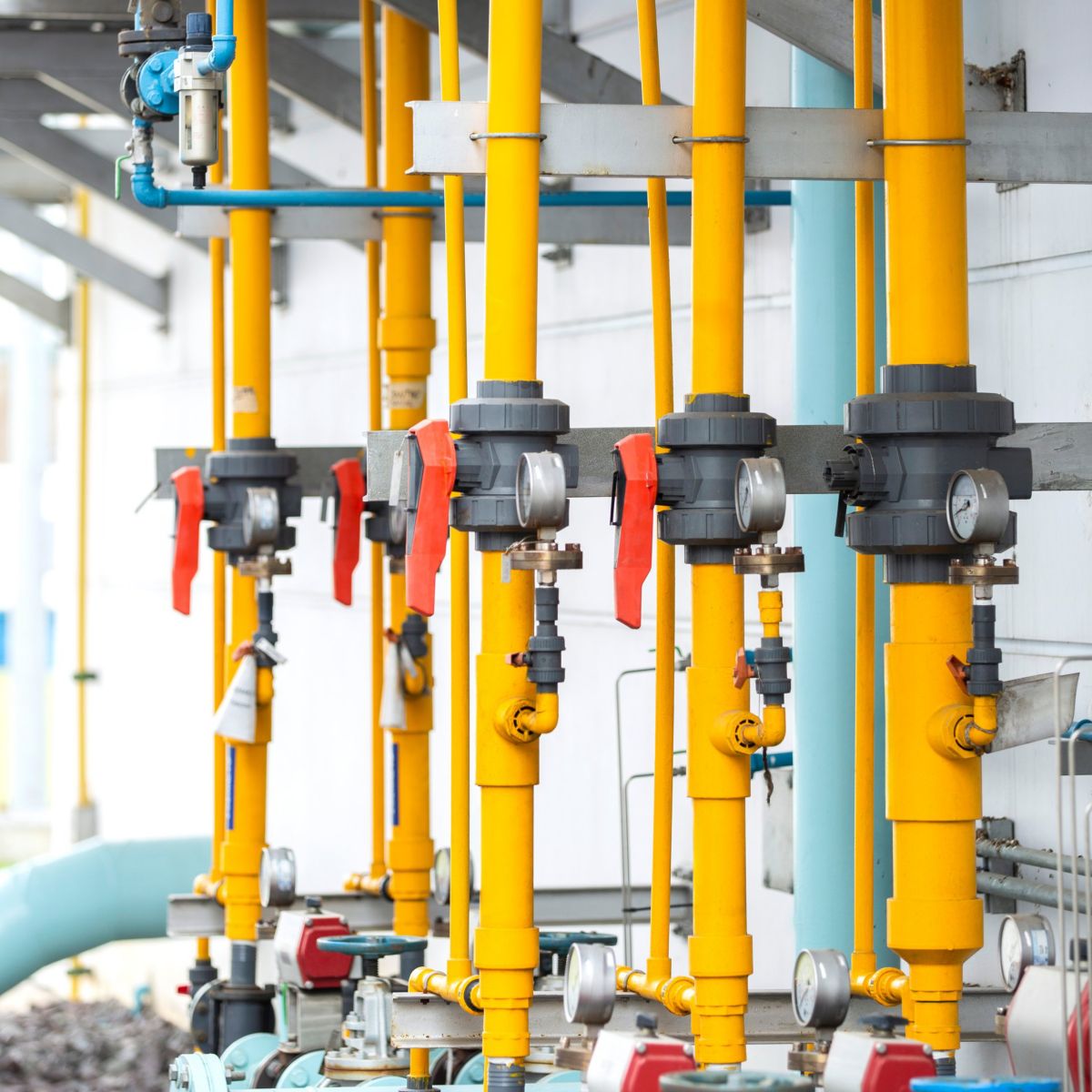
Industrial yellow piping and valve systems with gauges mounted on an exterior wall at a processing facility.

Integrated Monitoring and Control Designed for Responsive Thermal Performance

Gain visibility into fuel and air conditions with pressure monitoring and intelligent control technologies designed for industrial thermal environments. Pressure gauges give you visual indication of system conditions for operator awareness and troubleshooting.


Our sensor portfolio includes a range of options for pressure monitoring across your fuel delivery systems. Smartlink controls integrate electronic parallel positioning for air-fuel ratio control with mass flow meters and integrated burner control capabilities. This intelligent approach helps you achieve responsive control that adapts to changing process demands.

A close-up shot showing a thick, black industrial hose securely connected to the heavy-duty metal valve system of a commercial tanker truck.

Air and Gas Pressure Management for Consistent Burner and Process Performance

Blowers and gas boosters help maintain the delivery pressures required for stable burner operation and consistent thermal output. These technologies are designed to help ensure fuel and air reach combustion systems at the correct pressure to support safer and more efficient performance.


Whether you need additional air pressure for forced draft combustion or gas pressure boosting for low-pressure fuel sources, our equipment helps you achieve the delivery pressures your thermal processes require. This supports reliable fuel and air supply that helps maintain consistent burner performance.

  • Precision fuel and air management

    Fuel delivery designed to help maintain target pressure, temperature and flow within safe operating conditions

  • Broad portfolio

    Wide range of valves, regulators, controls, monitoring technologies and accessories for fuel and air systems

  • Integrated control

    Intelligent systems combining electronic positioning, mass flow metering and complete burner control capabilities

A detailed vertical shot of an industrial piping assembly featuring numerous pressure gauges, flow controllers, and valve labels in a technical facility.

Interactive & Guided Tools

Tools to Size and Select Fuel Delivery Components

Our selection tools help you determine appropriate valve sizes, regulator capacities and control configurations for your specific fuel type, flow requirements and pressure conditions.

Frequently Asked Questions About Fuel and Air Delivery

A complete fuel and air delivery system integrates multiple technologies to help support safer, more stable and more efficient thermal operation.


  • Pressure regulators are designed to maintain constant fuel pressure despite flow variations.
  • Manual and automatic shutoff valves provide isolation and safety shutoff capabilities.
  • Control valves enable modulation for varying heat demands.
  • Air-gas ratio controls help you maintain proper fuel-air mixture across the firing range.
  • Pressure switches and gauges provide monitoring and safety supervision.
  • Gas filters clean the fuel supply before it reaches sensitive equipment.
  • When inlet pressures are insufficient, blowers and boosters can help provide the required delivery pressure.

The specific components depend on your burner type, fuel source, local codes and safety requirements. Together, these components create a coordinated fuel and air management system that supports more reliable combustion, improved energy efficiency and helps support regulatory compliance.

Pressure regulators use a diaphragm-based design that responds to downstream pressure changes. As gas flows through the regulator and downstream pressure drops, the diaphragm moves to open the valve further. This increased opening allows more gas flow to restore the set outlet pressure. When demand decreases and downstream pressure rises the diaphragm moves to restrict flow and prevent over-pressurization. This self-regulating action happens continuously, responding to firing rate changes without external controls and helping to maintain stable fuel pressure at your burners despite changing flow demands.


Air-gas ratio controls extend this principle by linking air and gas regulators to maintain proper mixture across the full modulation range. This regulation capability is essential to maintaining stable thermal performance across changing production loads.

The valVario configuration combines a pressure regulator and solenoid shutoff valve in a single compact body. This integration offers several benefits. You save installation space since one component replaces two separate devices. Piping connections are reduced, simplifying installation and reducing potential leak points


The integrated design can help reduce system complexity and component count. Maintenance is streamlined since you have fewer devices to service. The single-body design may also offer cost advantages compared to purchasing and installing separate regulator and valve components.


For applications where space is limited or system simplification is valued, the valVario approach helps provide an efficient alternative to traditional separate regulators and shutoff valves.

Ready to optimize your fuel delivery?

Help improve fuel and air delivery within your industrial thermal systems.