



Electrification Sensors

Critical sensing for cleaner energy solutions

Advanced current and battery monitoring sensors designed for safe electrification across vehicles and energy storage.

A top-down aerial view captures the geometric layout of an electrical substation with power transformers and grid infrastructure on gravel terrain.
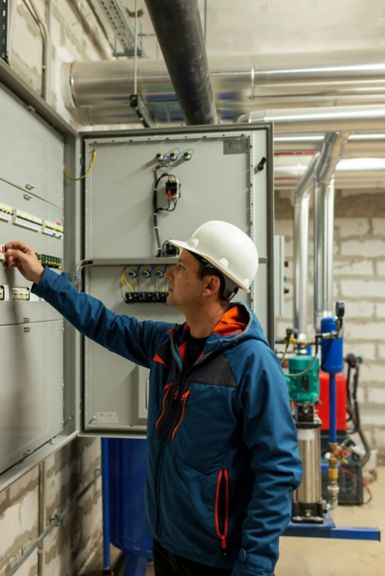
A professional technician in a hard hat inspects and operates an industrial electrical control panel inside a mechanical utility room.

Advanced current and battery monitoring sensors designed for safe electrification across vehicles and energy storage.

Electrification and Battery Safety Technology for Energy Systems

Honeywell delivers advanced electrification and battery safety sensors designed to enable cleaner energy solutions. Our diverse range of sensing technologies provide high performance, reliability and value for electrification applications.

Integrated sensing solutions help support the transition to safer energy systems with reduced emissions. Applications span electric vehicles (EV, HEV, PHEV, BEV), energy storage systems, portable lithium-ion battery packs, UAM/UAV and light industrial goods. Automotive-grade designs meet quality and reliability requirements for critical safety applications while helping maintain optimal operation and system integrity.

A METRO light rail train arrives at a modern elevated station with the Houston skyline visible in the background under a clear blue sky.

EV Powertrains Need Sensing You Can Depend On

Battery packs generate tremendous heat during charging and operation. Temperature sensors monitor individual cell temperatures to prevent battery fires.


Current sensors track power flow to improve charging rates and mitigate overload. Voltage sensors detect cell imbalances that signal capacity degradation.


These measurements enable battery management systems to maximize range, extend pack life, and protect passenger safety. Without accurate sensing, battery failures threaten vehicle performance and safety.

A side view of a double-decker passenger train carriage with an open, vibrant purple and orange door at a station platform.

Motor Control Depends On Precise Position Feedback

Electric motors require constant position and speed feedback for torque control and efficiency optimization.


  • Magnetic position sensors deliver the accuracy motor controllers need for smooth, efficient operation
  • Hall effect sensors provide non-contact position detection that withstands vibration and temperature extremes
  • Speed sensors enable precise RPM control for optimal power output


This feedback helps electric drivetrains deliver the performance drivers expect while improving energy efficiency and range.

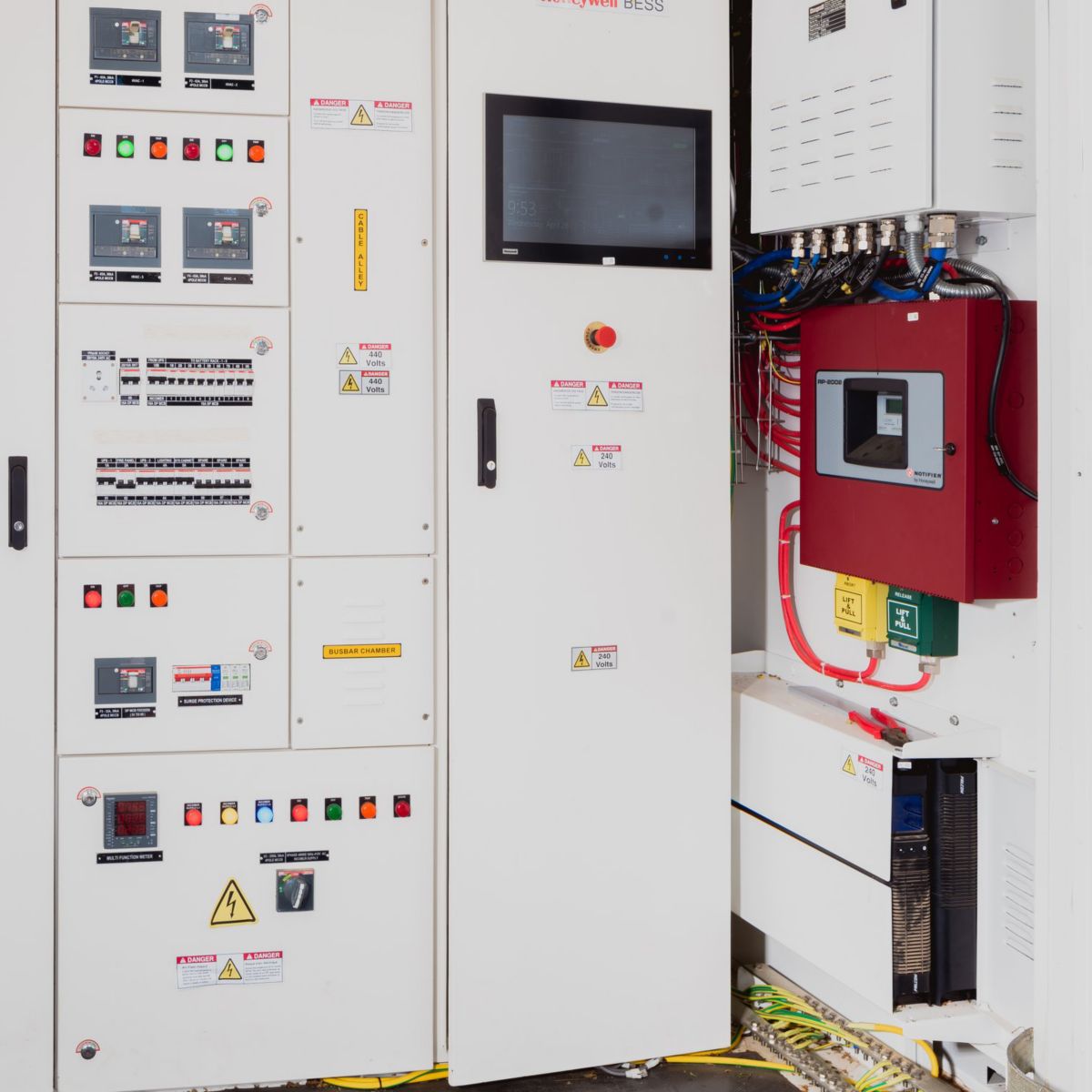
A Honeywell Battery Energy Storage System cabinet featuring integrated control panels, circuit breakers, and safety indicators in an industrial setting.

Thermal Runaway Detection in Lithium-Ion Batteries

Battery safety sensors are specifically designed to monitor and detect thermal runaway in lithium-ion battery packs.


  • Battery pressure sensors (BPS Series) measure pressure changes within battery packs using MEMS and ASIC technologies with CAN communication
  • Battery aerosol sensors (BAS Series) use light scattering techniques to detect particulate matter including smoke within battery packs
  • Battery electrolyte detectors (BES Series) selectively detect electrolyte vapor, hydrogen and carbon monoxide released during thermal events
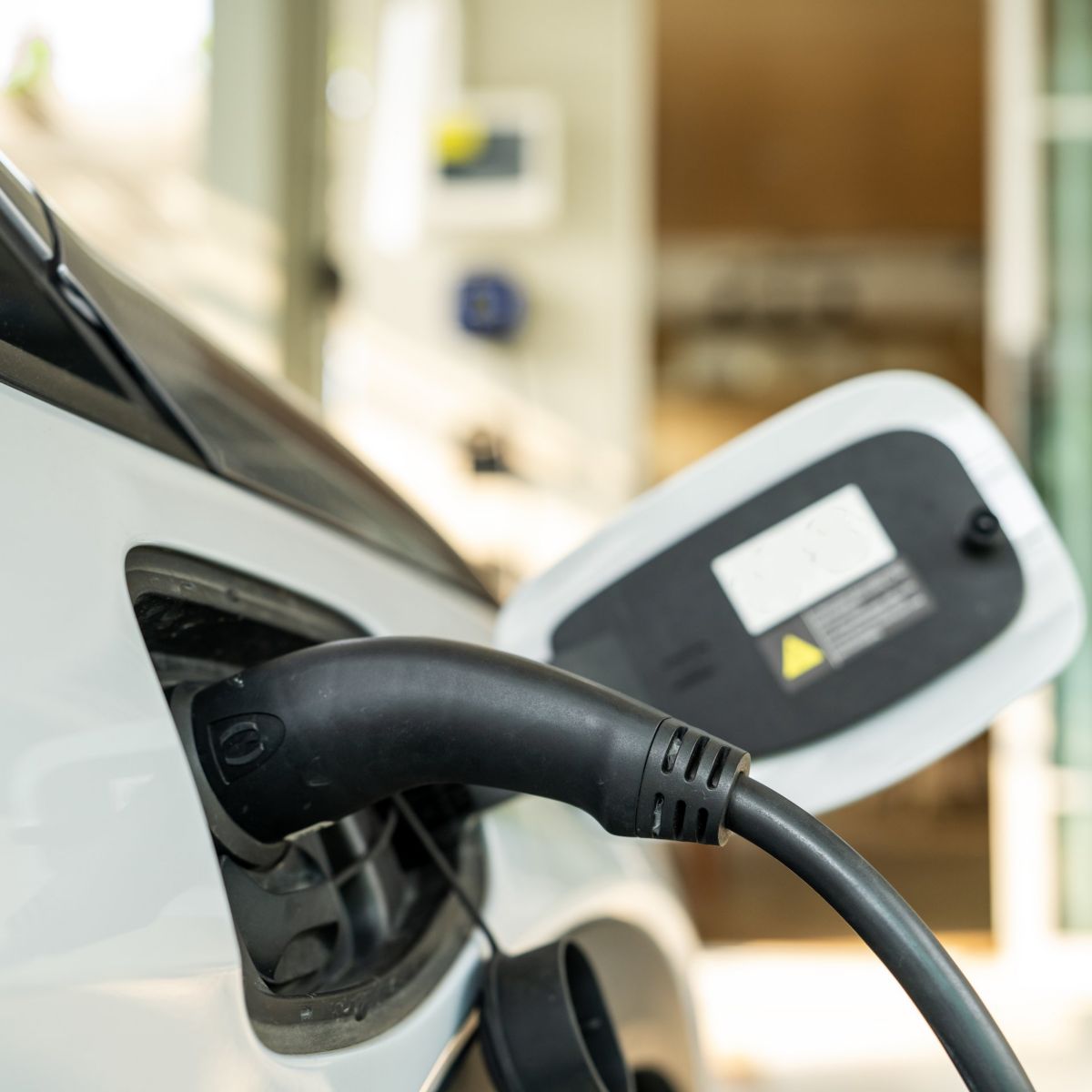
Close-up of a power cable connected to a white electric car at a home charging station.

Engineered for Electric Vehicle and Energy Storage Systems

Sensors support critical safety and performance requirements in electrification applications.


Current sensors help improve battery management, charging operations, and motor control in electric and hybrid vehicles. Battery safety sensors help vehicle manufacturers comply with battery fire safety requirements. Energy storage systems leverage these technologies for grid-scale applications and renewable energy integration.


Application advantages:

  •  Enhanced safety designed to help protect passengers and equipment
  • Compliance support for EV battery safety standards and regulations
  • Integration with battery management systems through standard protocols
  • RoHS compliant designs help support customer's sustainability objectives
  • 50-300 kPa Pressure Range


    BPS Series battery pressure sensors measure absolute pressure from 50 kPa to 300 kPa within lithium-ion battery packs.1 Settable warning thresholds for both absolute pressure and rate of pressure change help enable early thermal runaway detection. 

  • Light Scattering Detection


    BAS Series battery aerosol sensors use light scattering principles to detect particulate matter including smoke, liquid and debris inside battery packs.²

  • CAN Communication Protocol


    Battery safety sensors feature CAN 2.0B output with diagnostic capabilities for straightforward integration with battery management systems and vehicle control networks. 

Electrification Sensor Frequently Asked Questions

Thermal runaway detection uses multiple sensing modalities working together.


  • Battery pressure sensors measure absolute pressure (50-300 kPa) and rate of pressure change using MEMS-ASIC technology
  • Battery aerosol sensors employ light scattering to detect smoke, liquid and debris particles released during thermal events
  • Battery electrolyte detectors use proprietary gas sensing technology to identify electrolyte vapor, hydrogen and carbon monoxide gases


These sensors provide near real-time alerts via CAN communication to battery management systems. 

Current sensors support critical battery management functions including state-of-charge monitoring, charging control and fault detection.


  • Consider current measurement range requirements for your battery pack voltage and capacity
  • Evaluate accuracy specifications needed for precise state-of-charge calculations
  • Review response time characteristics for motor control and fast-charging applications
  • Verify CAN communication compatibility with your battery management system architecture
  • Consider operating temperature range requirements (-40°C to 125°C typical for automotive applications)
  • Assess mechanical packaging constraints and mounting configurations


Multiple Honeywell current sensor series (CSNV500, CSHV, CSSV1500) are designed for electrified vehicle applications including EV, HEV, PHEV and BEV platforms. These sensors provide current leakage detection and fault isolation capabilities for battery charging systems and can help improve overall battery system performance.

Electrification sensing professionals

Guidance on current and battery safety sensors for your EV and energy storage applications