

Capital investment is the primary controllable lever in LNG projects, followed by capacity optimization, then operating costs. Project execution requires on-time, on-budget delivery to meet investor obligations. Technology selection impacts commissioning duration and revenue timing. Integration approach affects schedule certainty and cost control.
LNG Liquefaction
Advance LNG liquefaction performance
Proven LNG liquefaction process technologies and automation help accelerate project delivery, optimize capacity and enhance long-term operational performance


Proven LNG liquefaction process technologies and automation help accelerate project delivery, optimize capacity and enhance long-term operational performance
Trusted Technology Leadership Across the LNG Value Chain
From small-scale and mid-scale facilities to world-class baseload plants, Honeywell provides a complete suite of LNG liquefaction technologies and intelligent automation solutions. Our portfolio spans front-end process design, proprietary liquefaction technology, cryogenic equipment integration and plant-wide control and optimization, including:
- Factory-built modular LNG technology for any size facility
- Process technology (AP-X, C3MR, DMR processes) for small-, mid- and large-scale plants
- Floating liquefied natural gas (FLNG) systems
- High-performance coil wound heat exchangers
- Dedicated aftermarket support
- Integrated control systems and advanced process control
- Predictive analytics, digital optimization and process digital twins
- Expert-led OT cybersecurity


-
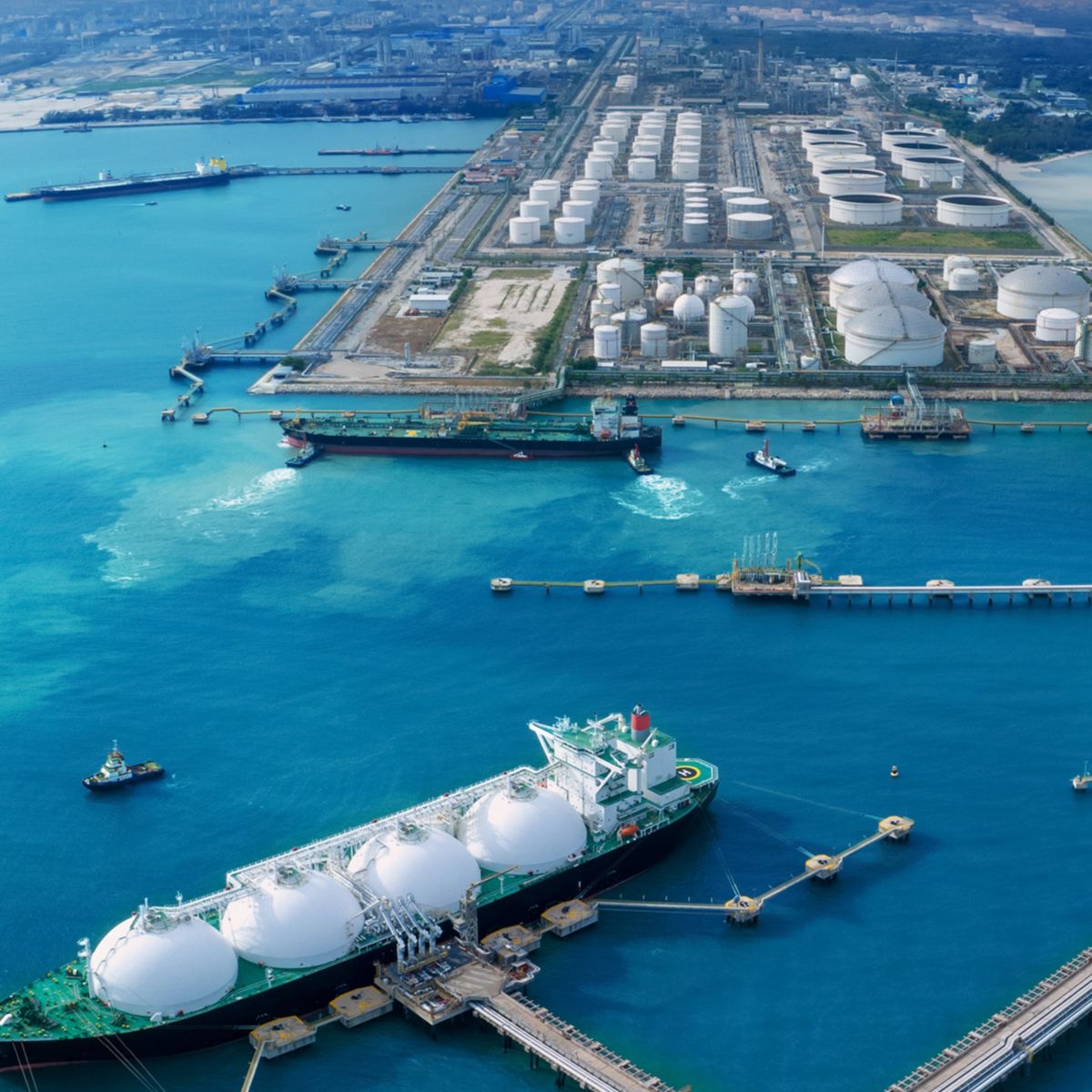
Liquefying ~⅔ of the world’s LNG
Honeywell process technologies are responsible for liquefying about two-thirds of the world’s LNG1
-
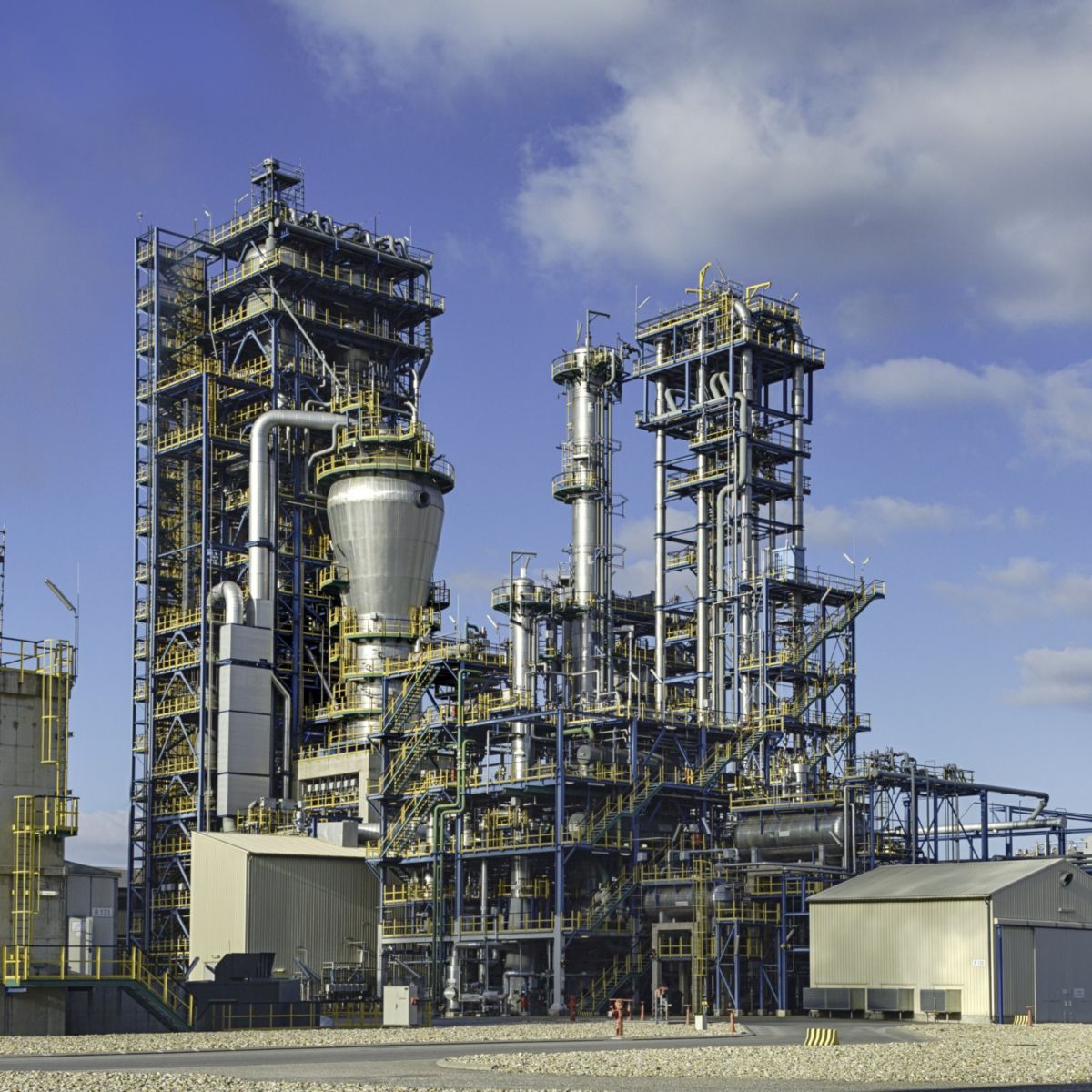
120+ LNG plants designed worldwide
Honeywell is the world’s leading provider of natural gas liquefaction technology, with more than 120 plants designed, manufactured and shipped worldwide.2
Frequently Asked Questions About LNG liquefaction
Advanced process control uses model predictive algorithms to enhance multiple process variables simultaneously. Digital twins enable operators to test scenarios and identify opportunities of improvement before field implementation. AI-enabled systems analyze performance patterns to help predict improved operating windows and detect constraint development, supporting proactive capacity management.
Honeywell's coil-wound heat exchanger design addresses the complexity of maintaining precise temperature control across large surface areas at cryogenic temperatures. The coil-wound construction provides structural advantages for thermal stress management during LNG liquefaction cycles. This approach enables execution of effective cooling processes at massive scale with reliable performance. Deployed across global installations, the design supports operational robustness under diverse conditions.