
Automate your energy management and air quality

Scale operations while maintaining stable and precise airflow control within high purity environments.

hon-industry-lifesciences-biotech-air-quality.jpg
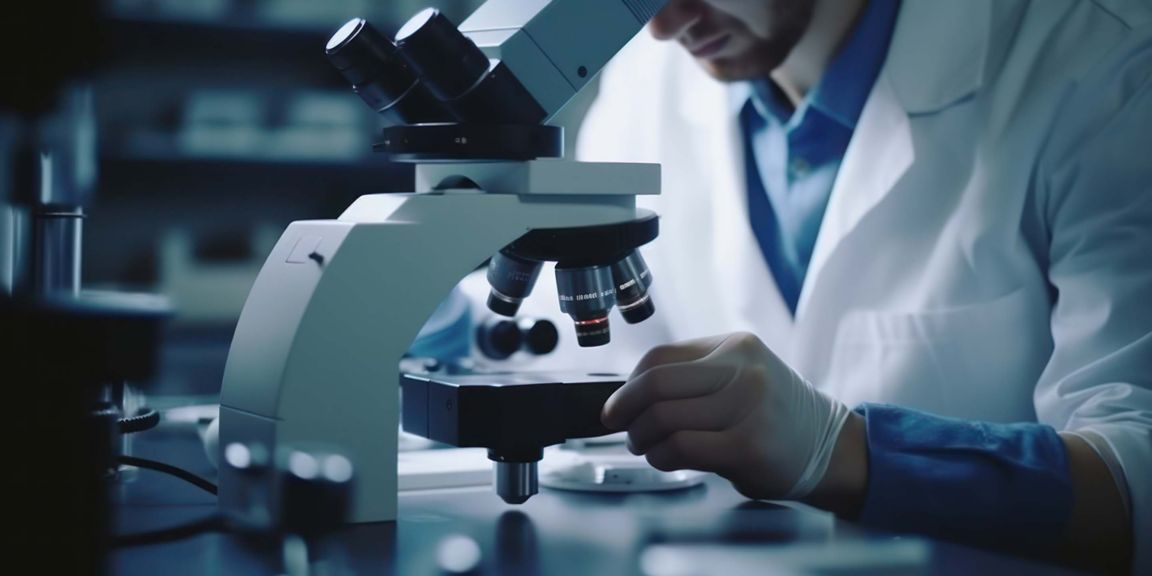
scientist working with microscope in laboratory close up hands, science research and development concept, generative ai

Scale operations while maintaining stable and precise airflow control within high purity environments.

Scalable Automation That Advances Biotech Production

The biotechnology industry is experiencing unprecedented growth as cell and gene therapies move from clinical trials to commercial production. This rapid expansion creates unique manufacturing challenges that traditional pharmaceutical infrastructure wasn't designed to address.

Biotechnology manufacturing differs fundamentally from conventional drug production. Cell and gene therapies often require personalized approaches, small batch sizes and high-value processes where a single batch can be worth tens of thousands of dollars. Manual documentation and legacy systems struggle to support the level of precision, traceability and speed that biotechnology demands.

Purpose-built automation helps biotechnology companies modernize manufacturing with systems designed to meet these unique requirements. Integrate process control, batch execution and quality management to support everything from clinical manufacturing to commercial-scale biologics production. Reduce manual documentation burden while providing the visibility and audit trails that regulatory frameworks require, including 21 CFR Part 11/EU Annex 11 and current Good Manufacturing Practices (cGMPs).

Research professional holding device in a low lit laboratory

Efficiency

Modular manufacturing execution for rapid facility deployment

Modular manufacturing approaches help biotechnology companies accelerate construction and adapt quickly to changing production demands. The pharmaceutical and biotechnology market for modular construction reached an estimated $2.5 billion in 2023 and is expected to grow at 10% annually until 2035 as manufacturers adopt flexible infrastructure.1


Our platforms support modular facility designs while digital automation integrates across modular units to provide unified batch management and quality oversight.


  • Scalable production capacity
  • Adapt facilities quickly as product portfolios evolve
  • Maintain validation and compliance across modular units
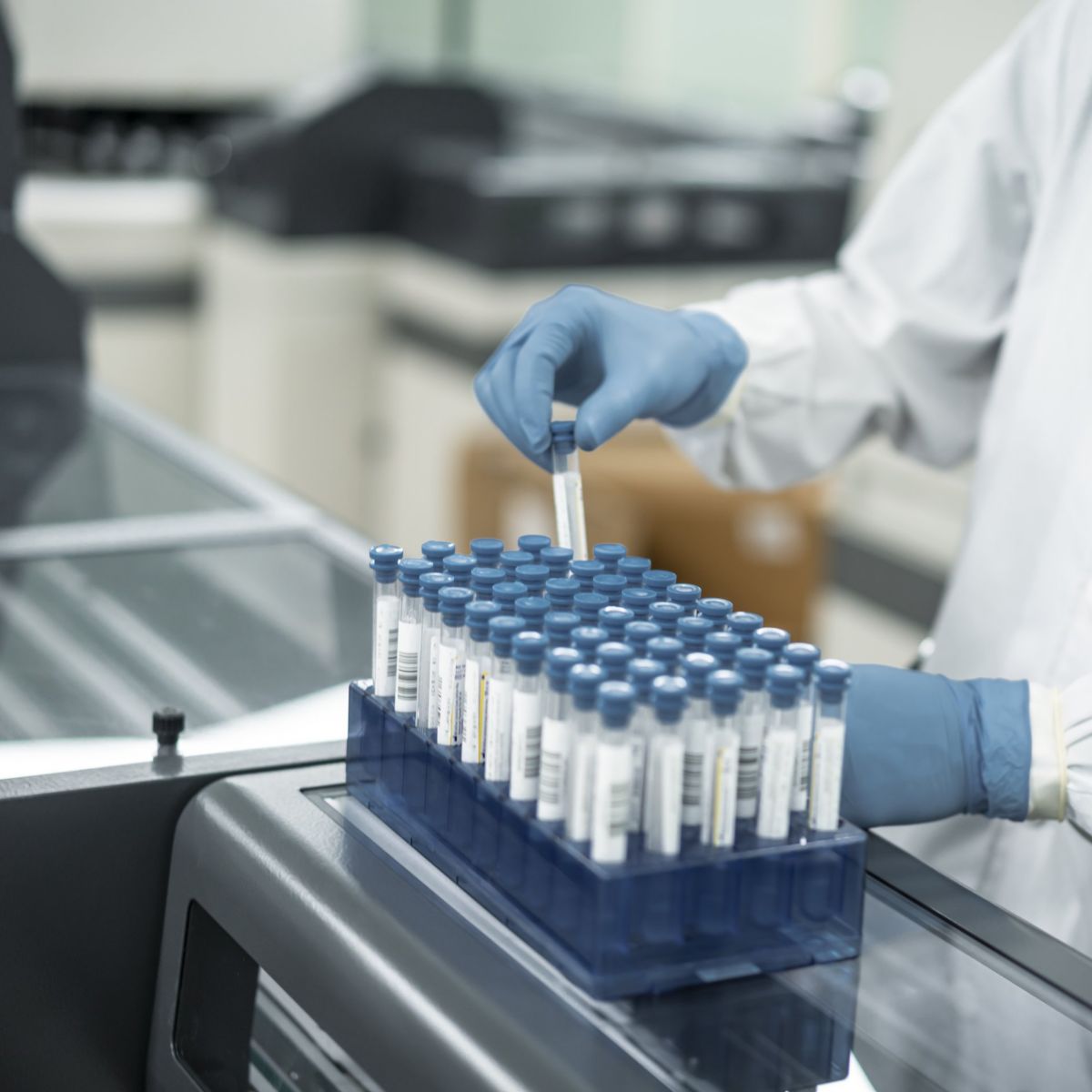
A technician in a lab coat and protective gloves processes a rack of test tubes in a modern clinical diagnostic laboratory.

Accuracy

Digital batch documentation reduces errors

Biotechnology manufacturing involves complex processes where manual documentation creates risk of errors. A single biotech batch can require 5,000 to 45,000 manual data entries, with traditional approaches achieving only 91% accuracy.2 Electronic batch records automate documentation to capture process parameters automatically and reduce errors.


  • Replace thousands of manual entries with automated data capture
  • Improve documentation accuracy and reduce batch rejection risk
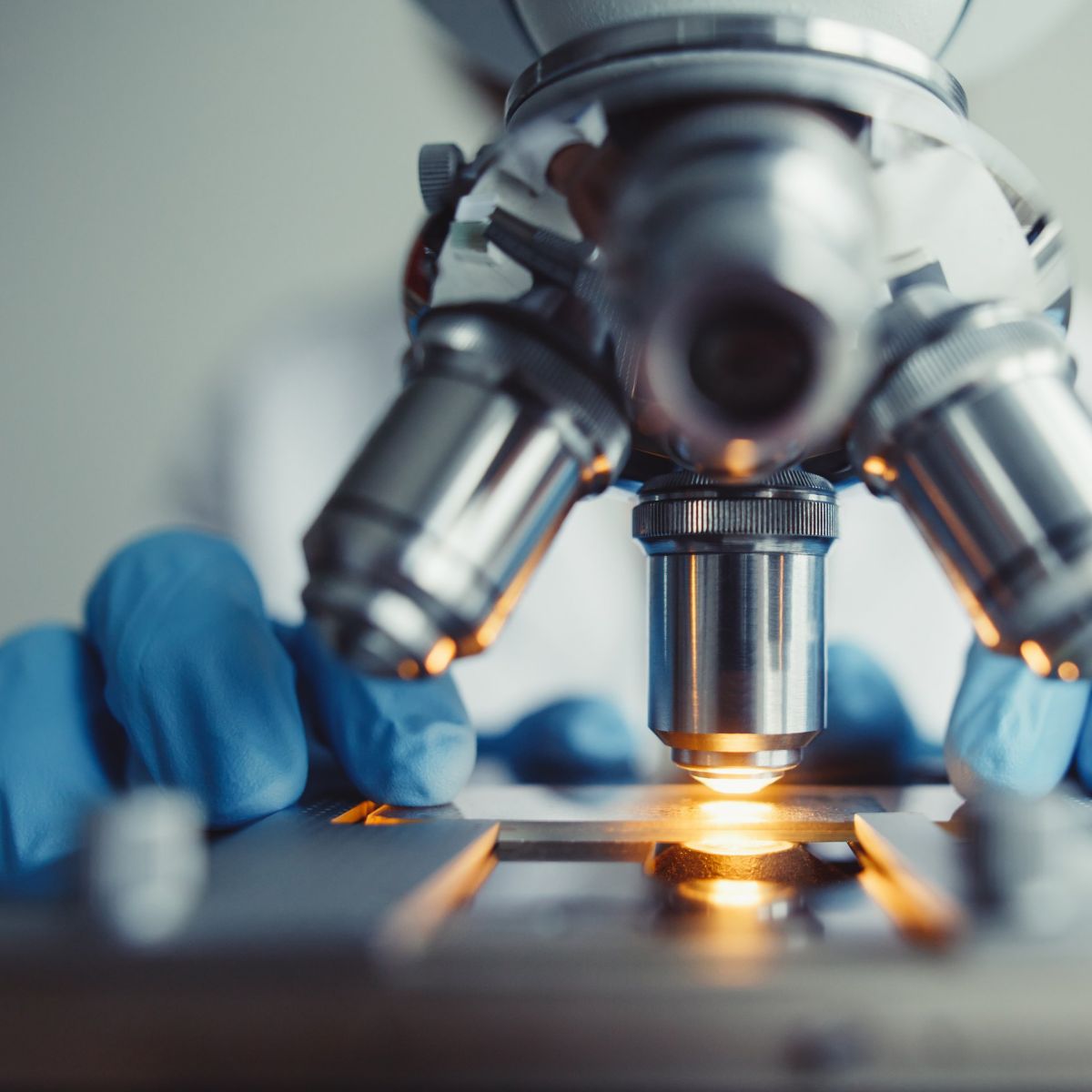
Researcher using a professional microscope with blue gloves to examine a sample in a sterile laboratory environment.

Quality

Integrated quality management for end-to-end traceability

Personalized therapies demand rigorous quality oversight from patient selection and cell collection to manufacturing and final product delivery. Integrated quality management platforms provide the visibility needed to manage deviations, coordinate investigations and support compliance across complex, distributed workflows—helping you bring products to market faster while supporting quality and compliance requirements.

  • 7x market growth

    In 2026, the global cell and gene therapy market size is calculated $33.5B—but it's expected to grow to $232B by 2035, representing a projected seven-fold increase in ten years.3

  • 30+ years4

    Honeywell brings over three decades of experience in the life sciences industry.

  • 45,000 entries5

    A single biotech batch can require up to 45,000 manual data entries. Honeywell's automated systems help reduce this documentation burden while improving accuracy.

Frequently Asked Questions About Biotechnology Automation

Automation reduces manual intervention throughout biotechnology manufacturing processes, improving consistency and reducing contamination risks. Electronic batch records replace manual documentation that traditionally requires thousands of entries per batch, improving accuracy by reducing manual errors.

Modular manufacturing helps biotechnology companies to deploy production facilities faster than conventional construction6 while maintaining flexibility to adapt as therapies progress through development stages. Modular units can be validated independently and scaled incrementally, allowing manufacturers to match capacity with market demand while managing capital expenditure.

Yes. Our platforms support diverse biotechnology applications including cell therapies, gene therapies, biologics and vaccine production. Modular architecture adapts to different process requirements and production scales while enabling consistent quality oversight and regulatory compliance across your product portfolio. Our solutions support compliance with 21 CFR Part 11/EU Annex 11 and current Good Manufacturing Practices (cGMPs), and we provide global lifecycle support.

Get Biotechnology Systems That Adapt

Scale your biotechnology operations with automation platforms built for precision medicine