

Innovating since 1885
A history of meeting new challenges
1885: Setting the Tone for Automation: Invention of the Furnace Regulator
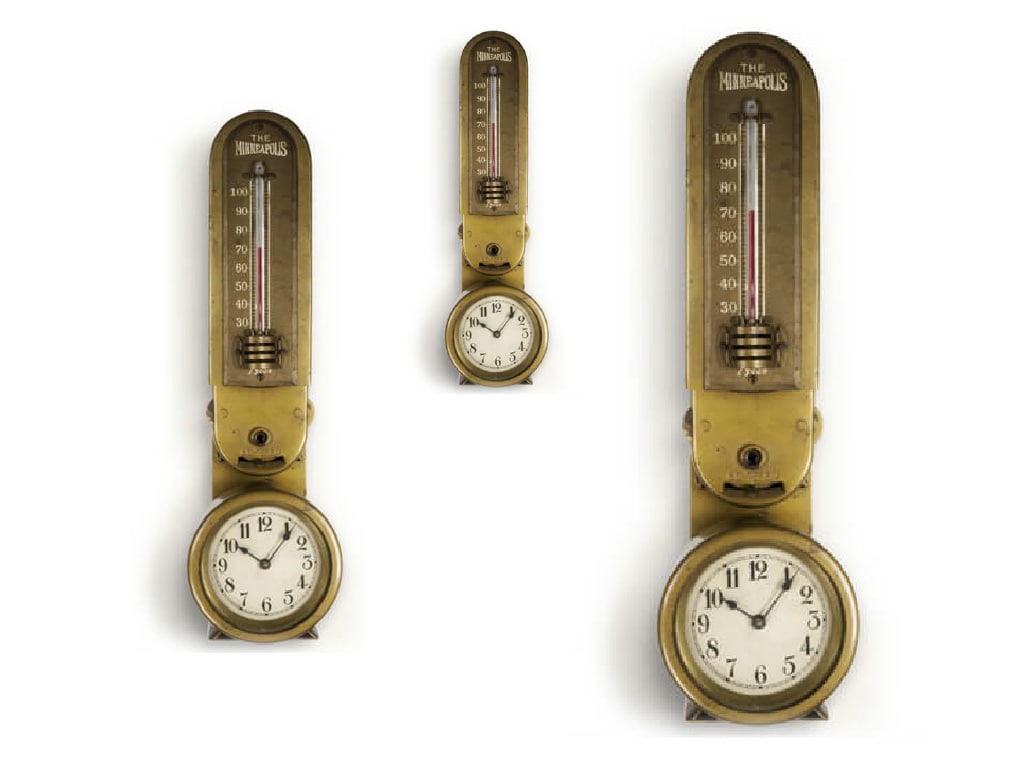
The introduction of home furnace heating presented its own inconvenience—having to directly adjust the furnace. Inventor Albert Butz patented the furnace regulator and alarm to launch the company that became Honeywell. The resultant "damper flapper” was a predecessor to the modern thermostat and the first of many Honeywell inventions. Remote adjustment of the furnace damper set the tone for convenience through automation.
The Consolidated Temperature Controlling Co. acquired Butz's patents and business, and by 1893, had renamed itself Electric Heat Regulator Co. In 1898, the company was purchased by W. R. Sweatt, who, by 1916, named the company Minneapolis Heat Regulator Company, expanded its product line and patented the first electric motor approved by Underwriters Laboratories.
1906: Honeywell Heating Specialty Co. formed
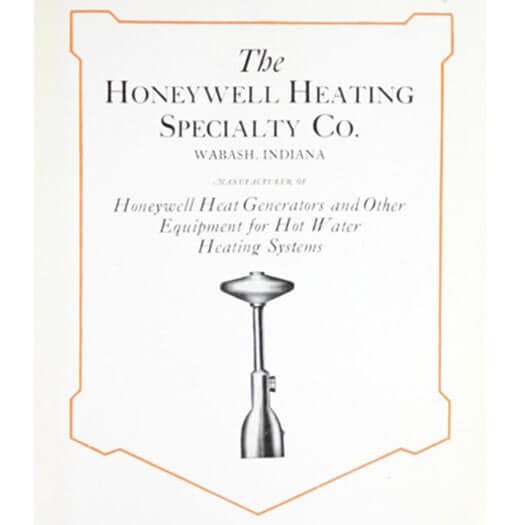
Young engineer Mark Honeywell formed the Honeywell Heating Specialty Co. Incorporated. The company specialized in making hot water heat generators, after perfecting them as part of his plumbing and heating business.
1920: Allied Chemical & Dye Corporation formed
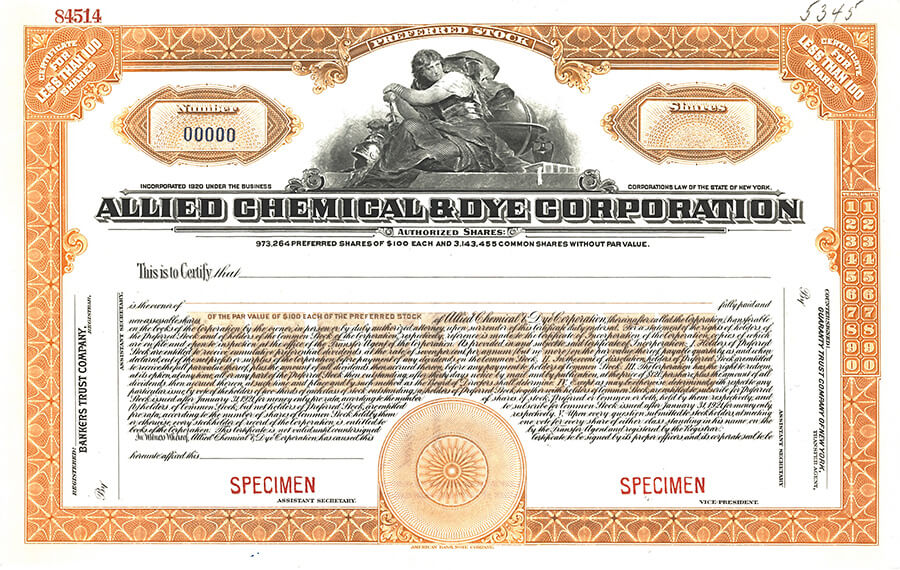
German control of much of the world's chemical industry during World War I created shortages of critical drugs and dyes for the U.S. and its allies. Publisher Eugene Meyer and scientist William Nichols responded by forming the Allied Chemical & Dye Corporation as a partnership of five American chemical companies.
(Image Courtesy of the New York Stock Exchange: This content is the property of NYSE Group, Inc. or its affiliates and is protected by U.S. and international copyright and trademark laws. © 2020 NYSE Group, Inc. All rights reserved.)
1927: Heating Companies Merge
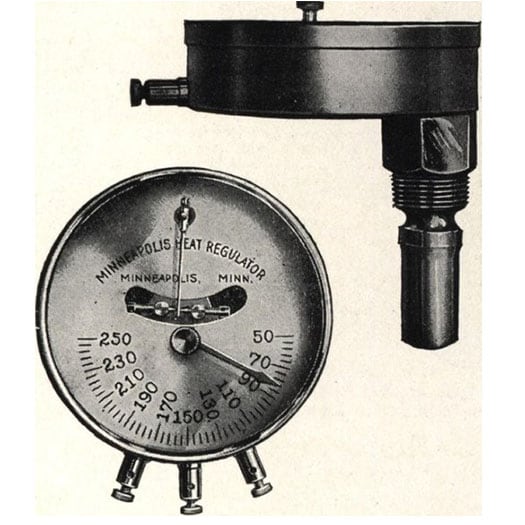
Minneapolis Heat Regulator Company and Honeywell Heating Specialty Co. combine capabilities by merging to form the Minneapolis-Honeywell Regulator Co. The business became the largest producer of high-quality jeweled clocks. W. R. Sweatt became Chairman and Mark Honeywell became President. The company quickly grew as it began to tackle more challenges, including industrial controls and indicators.
1969: Moon Mission Support
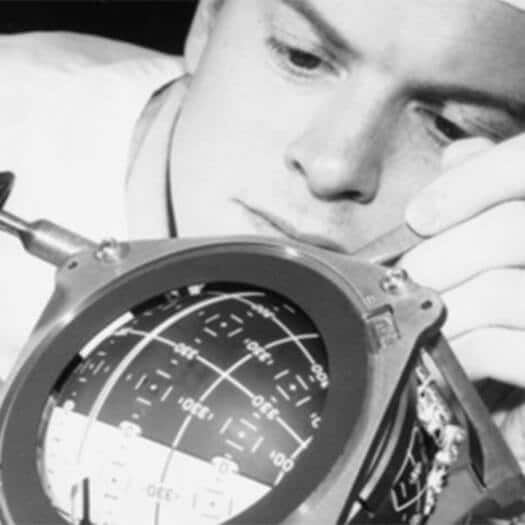
The Apollo 11 mission culminated with Neil Armstrong and Buzz Aldrin walking on the moon on July 20, 1969. Critical to the mission were the 16,000 Honeywell parts that went into the 14 separate electronic devices that made up the Stabilization and Control Systems (SCS). Confidence in these parts was established through rigorous flight testing by Honeywell pilots like Jim Bailey who collaborated with Neil Armstrong.
1999: AlliedSignal Acquires Honeywell
In 1985, Allied merged with Signal Companies, adding to its aerospace, automotive and engineered materials business. Then in 1999, Honeywell was acquired by AlliedSignal, who elected to retain the Honeywell name for its brand recognition. The headquarters was relocated to the AlliedSignal headquarters in Morristown, N.J. Together the companies shared huge business interests in aerospace, chemical products, automotive parts and building controls.
2005-2016
Two Decades of Acquisitions
Honeywell continued to expand and strengthen its capabilities by acquiring the following businesses across various industries:
2005

UOP (Universal Oil Products), a leading international supplier and licensor for the petroleum, gas, petrochemical and major manufacturing sectors.
2008
Metrologic Instruments, maker of laser, mobile imaging and remote scanners.
2016
Intelligrated, provider of automation solutions for distribution centers and warehouses.
2018: Homes and Transportation Become New Public Companies
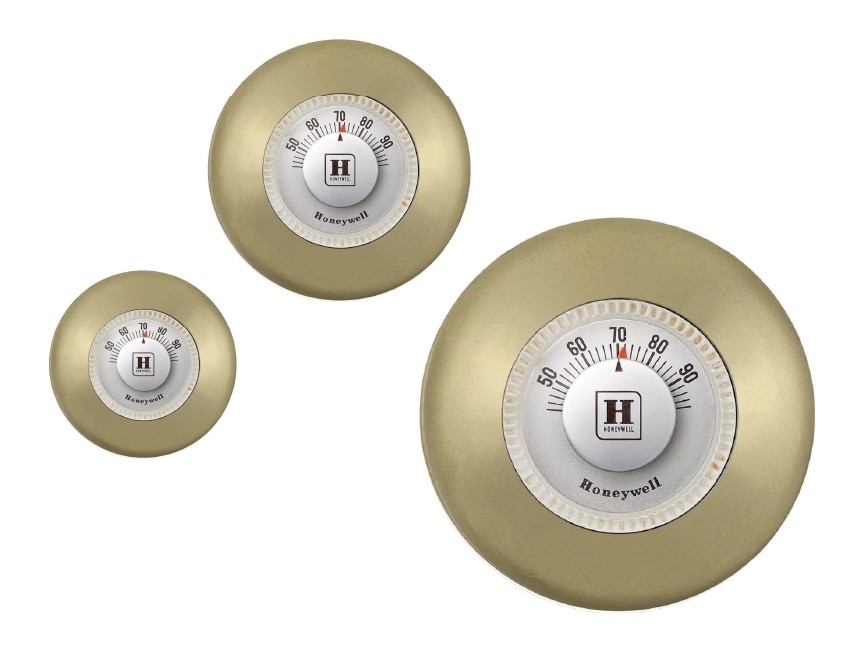
Honeywell spun off its homes business into Resideo, which still creates Honeywell Home products as a licensed brand. The same year, the Transportation Systems business was also spun off as Garrett Motion.

2019: Honeywell Forge Launched
In June 2019, Honeywell launched its Enterprise Performance Management software solution called Honeywell Forge. The software leverages Honeywell’s expertise in asset and process control technology across industries, including buildings, airlines, industrials and critical infrastructure.
2021: Honeywell joins the Nasdaq
Honeywell's cutting-edge technology and sustainability portfolio joined Nasdaq's long tradition of listing category-defining technology companies.


2021: Our Corporate Headquarters opens in Charlotte
Designed to foster innovation and collaboration, the 313,000-square-foot building features touchless technologies like facial recognition. Well-being, productivity and site efficiencies are aided by Honeywell building technologies. The building earned the Leadership in Energy and Environmental Design (LEED) Gold certification from the US Green Buildings Council for its building envelope and tenant up-fit, which serves as a globally recognized symbol of sustainability achievement and leadership, and represents the building’s use of technologies to reduce energy and promote a healthier environment
2021: Quantum Computing Giants Combine
Honeywell Quantum Solutions and Cambridge Quantum joined forces as Quantinuum to accelerate the development of this disruptive technology and deliver real-world, quantum solutions faster. Dual headquarters in Colorado and Cambridge, UK fosters international collaboration between businesses, universities, government agencies and other organizations.
The first—and flagship—product offering, Quantum Origin launched in December 2021. It provides the world’s only quantum-hardened encryption keys to protect data from advanced threats for cutting edge cybersecurity.

2025: Honeywell Spins Off Solstice
Solstice technologies enable high-performance solutions for critical global sectors, including HVAC/R, semiconductor manufacturing, data center thermal management, nuclear energy, defense and life sciences. The company launched with approximately 4,000 employees, 24 manufacturing sites and four R&D centers that serve more than 3,000 customers across 120 countries and territories.
2026: Honeywell becomes Honeywell Technologies and Honeywell Aerospace
The moment not only builds on our portfolio transformation over the past three years, but it also builds on Honeywell's 140-year legacy that shaped these businesses into the market-leaders they are today.